Greetings, Cruiseboysians! So, I’ve lived in Arizona since late 2020 and have not really explored much of it. Yes, I’ve been around Phoenix and visited the Grand Canyon when my sister and her family visited in 2022. I need to spend more time deep-diving around my “new” state. I decided to spend this August in Flagstaff and take my time looking around. Flagstaff being 20-degree F lower in temperature than Phoenix has nothing to do with it. Honest!
I found an Air BnB on the north-eastern edge of Flagstaff. It’s only five minutes from the interstate, so there is quick access to the entire region. My first visit was the Lowell Observatory, just a few miles away. This facility is famous for discovering Pluto in 1930.

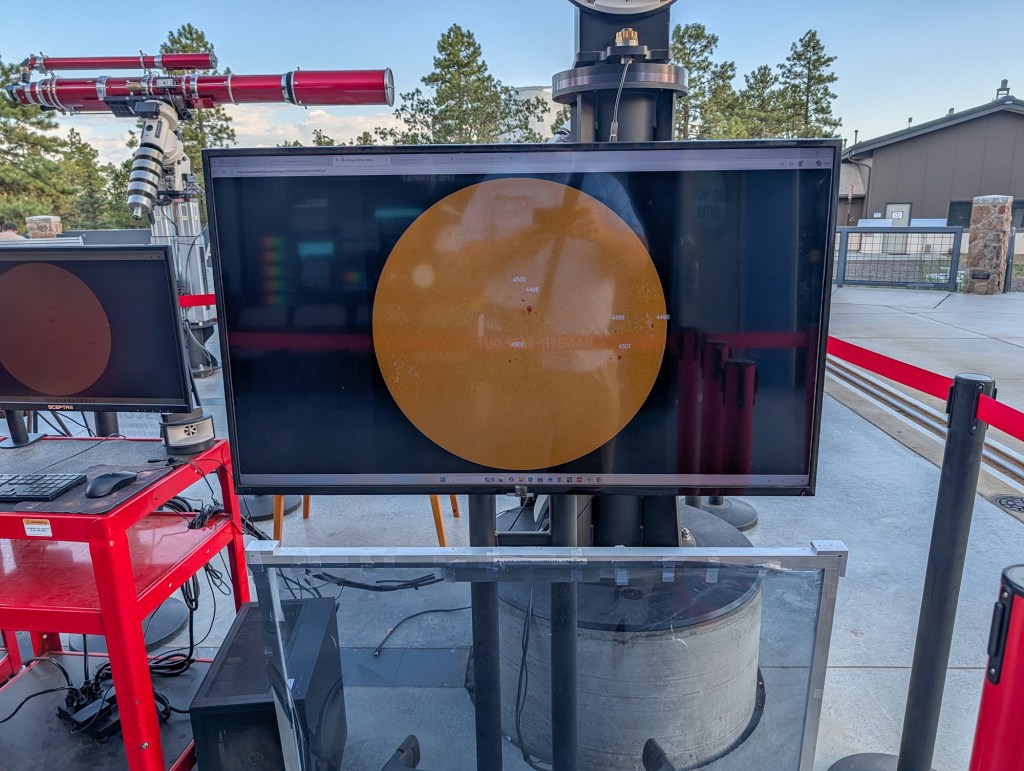
The museum exhibits are kind of kid-oriented, but walk out the back and you can stroll the grounds and visit different telescopes. Many are available during the evening hours, but even in the afternoon they had a sun-oriented telescope and one aimed at Venus.


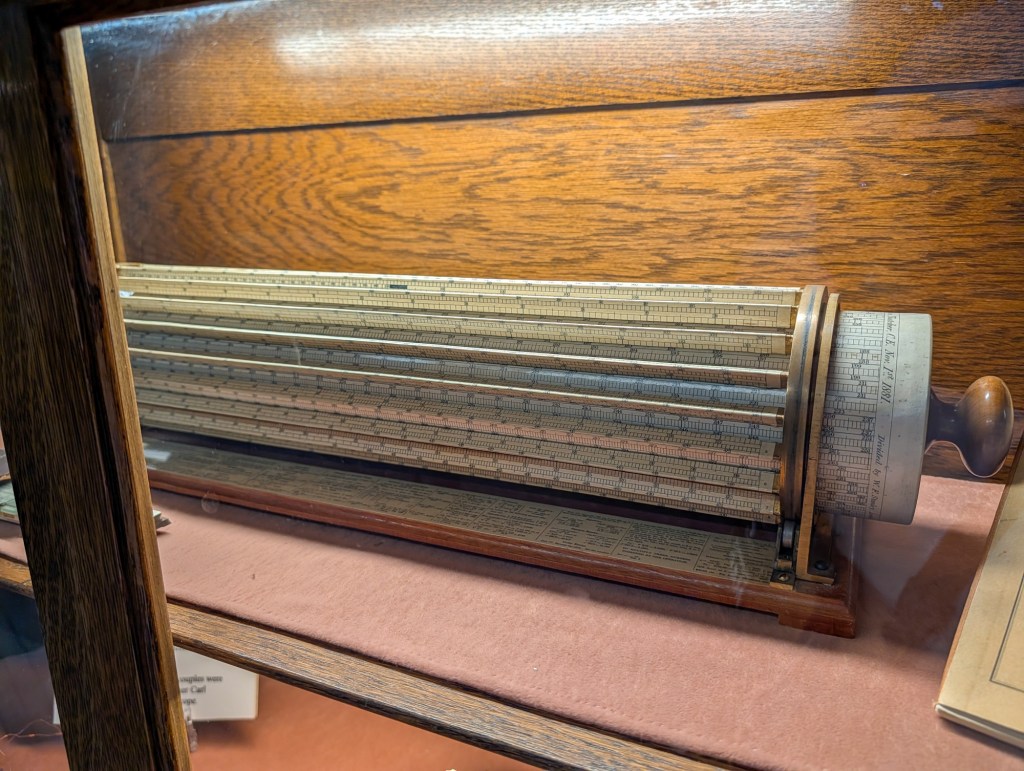
In a separate building they stored historical artifacts. What grabbed my attention was a cylindrical slide-ruler. Called a “Thatcher’s Calculation Machine”, this near two foot long device can perform calculations that a “normal” flat side rule would need to be over sixty-feet long to accomplish. Here’s an explanation from the University of Toronto.
In 2001 Flagstaff became the first “Dark Sky” city by designing their public lights to preserve views of the night sky. Lowell takes advantage of this by having an open-air planetarium on the roof of the main building. Here they lecture about the constellations and planets in view at that time. I can’t remember the last time I’ve seen the Milky Way.
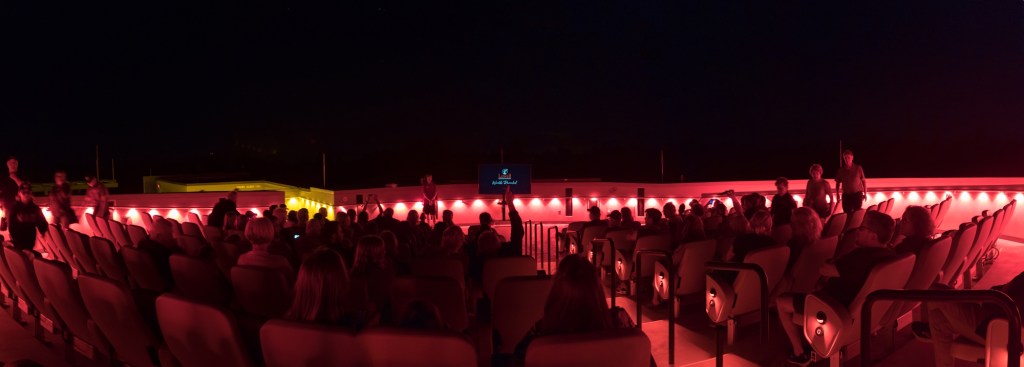
PS: I bought a new Pixel mobile phone and I was impressed how well it performed in the red-light darkness. I could not really capture the constellations, but I’m not surprised by that.
I advise anyone looking to break-up their Grand Canyon viewing to add the Lowell Observatory to this list. It opens in the afternoon and closes around 10:30pm.
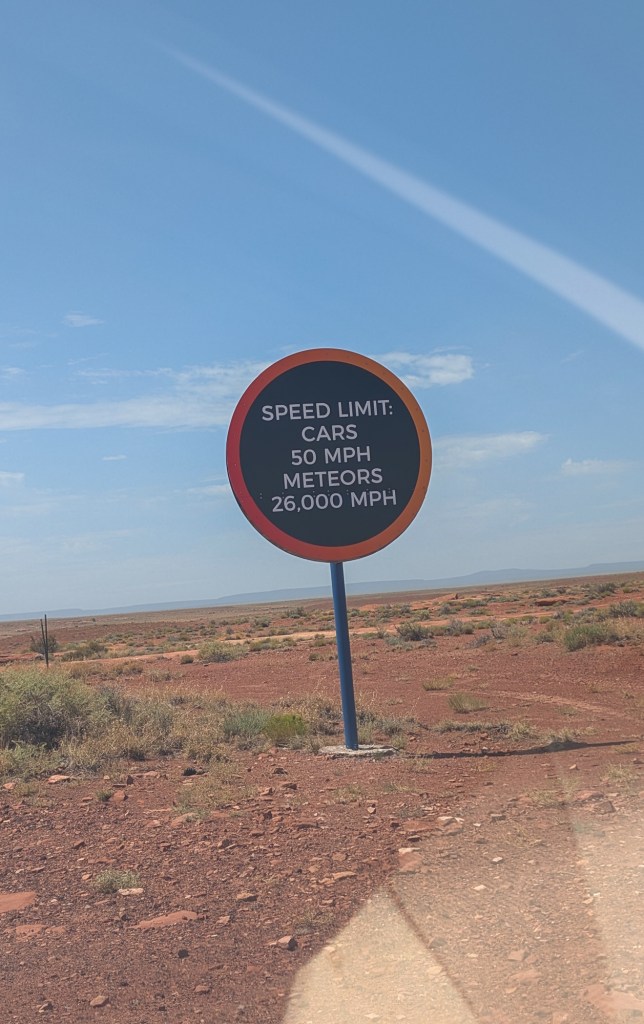
Keeping a space-theme, the next day I visited Meteor Crater. It’s only a 30-minute drive to the east of Flagstaff. You turn south from Interstate 40 onto a dedicated road to the crater site. You quickly see the signs…
There is a 10-minute introduction video and a quick interior tour before our guide takes us to the crater rim. The Holsinger Meteorite is the largest piece of the meteor found – it’s about four-feet wide, mostly iron and weights over 1400 pounds

This is a “young” crater (about 50,000 years old) and impressive. It’s about a mile across. Our guide explained that the meteor was likely about 150-feet wide. By comparison, the object that led to the end of the dinosaurs was over 6-miles wide.

At the far side you can just see ramps and wooden structures. One-hundred years ago folks tried mining the area hoping there were large iron deposits here. It didn’t work out.

From our viewpoint you can see several mine shafts dug down at the floor of the crater. The white object at the near-right of the fence is an astronaut mannequin installed to give a sense of scale. In the 1960s members of Apollo 11 came here to test their suits on the rocky surface.

Our guide mentioned that in the past a small plane crashed in the crater when the pilot misjudged the winds. Years later a VW mini-bus got too close to the edge. Both were partially disassembled and stuffed into the old mine shafts!
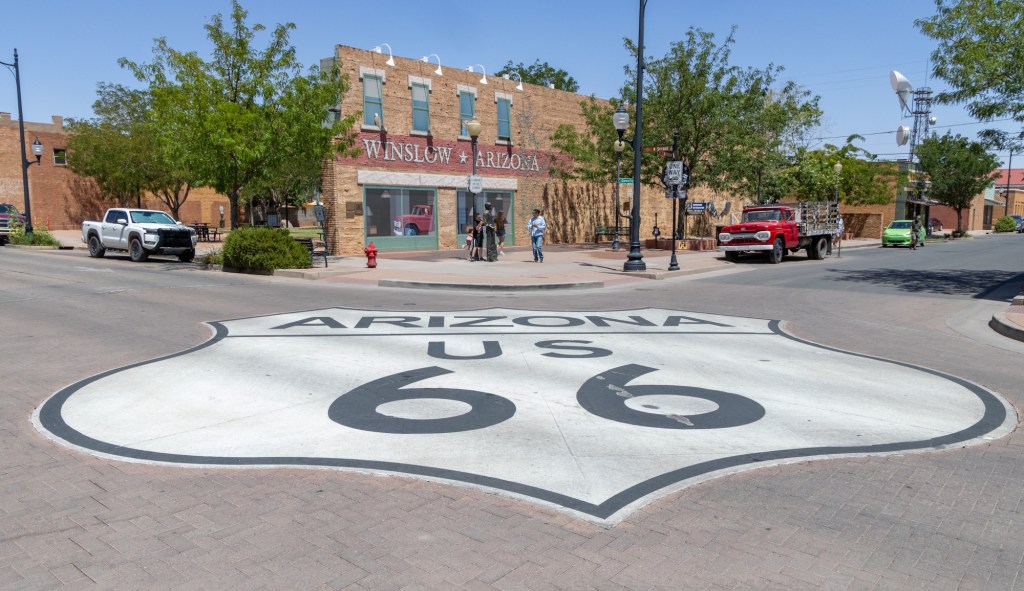
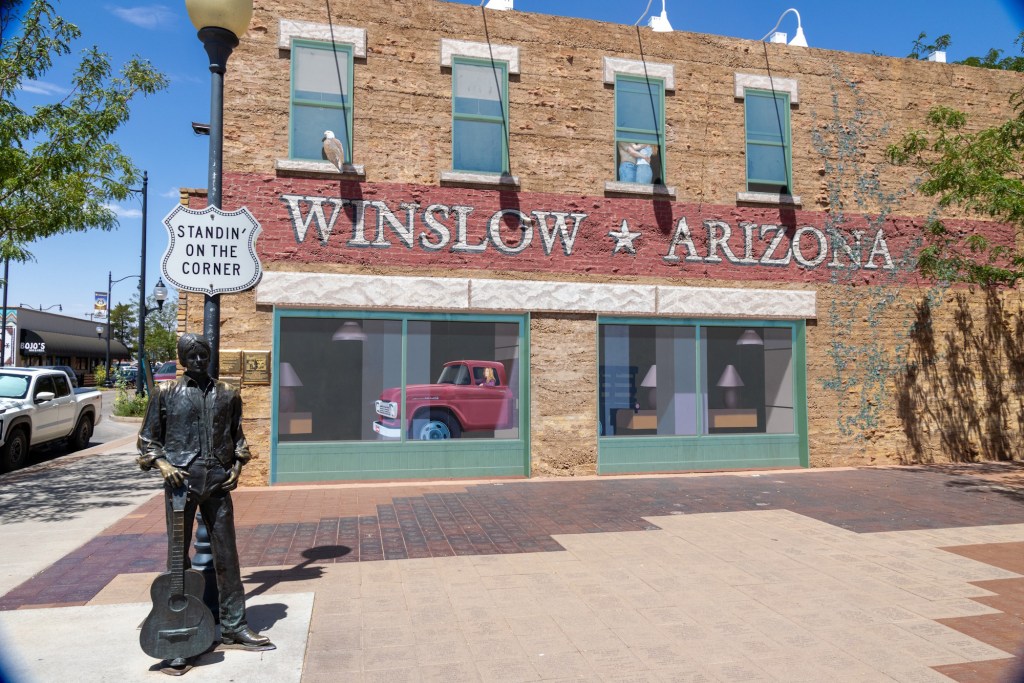
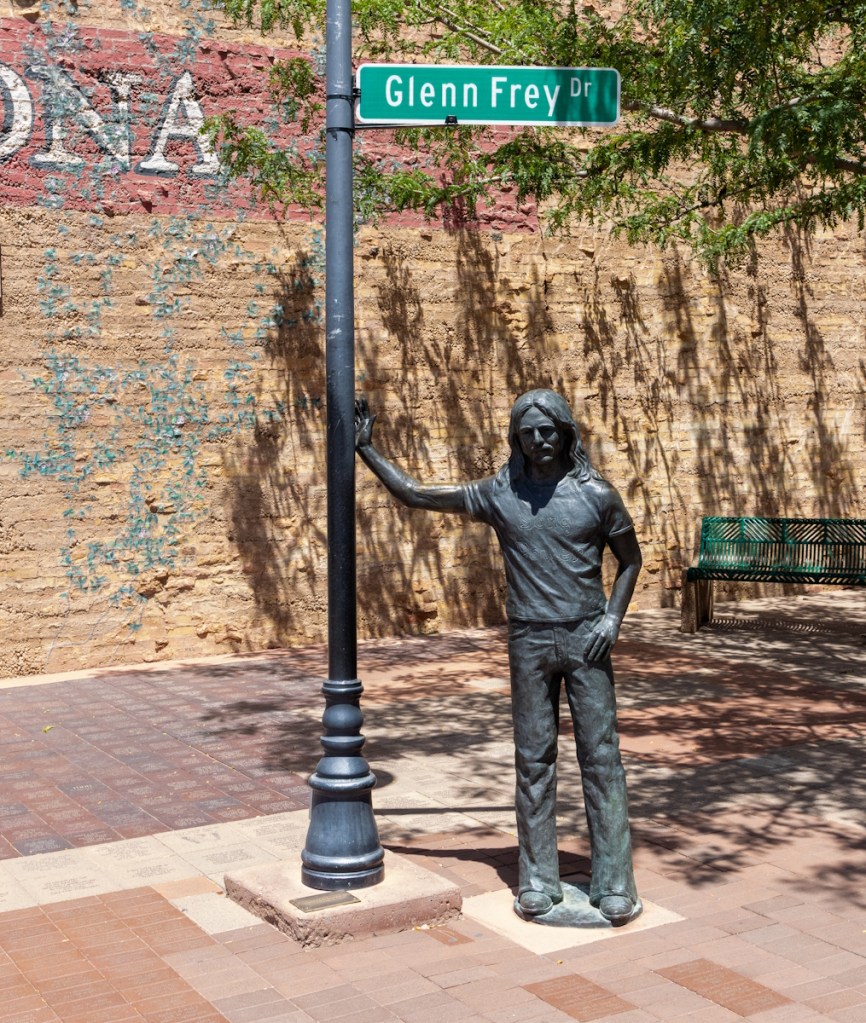
Since Meteor Crater is mid-way there, I decided to visit Winslow, Arizona. Yes, THAT Winslow.
“Well, I’m a-standing on a corner
In Winslow, Arizona
And such a fine sights to see
It’s a girl, my Lord
In a flat-bed Ford
Slowin’ down to take a look at me.”
– The Eagles, “Take it Easy”
As a city with less than 10,000 population, of course they take advantage of the famous song. Winslow is one of many towns on Route 66 that suffered when an interstate was build nearby.