Niigata is even a smaller port than Kanazawa, and it’s the first time I’ve noticed rust on the infrastructure. It’s also darn cold and overcast. Last week in Osaka I was walking around in shorts. This morning it is 34 defF (1 degC). It got warmer as the day went on, but yesh. And we have three more ports that are north of here.
Outside of Niigata is the town of Tsubame, which is the home to the local metal industry. Today we visited the Tojiro factory and shop. Tojiro started with farm equipment but moved to knife making more than 50 years ago. They make them via machine and via hand; our tour visited both. The mechanical way starts by stamping blanks out from sheet steel. The shop also uses laser cutting.
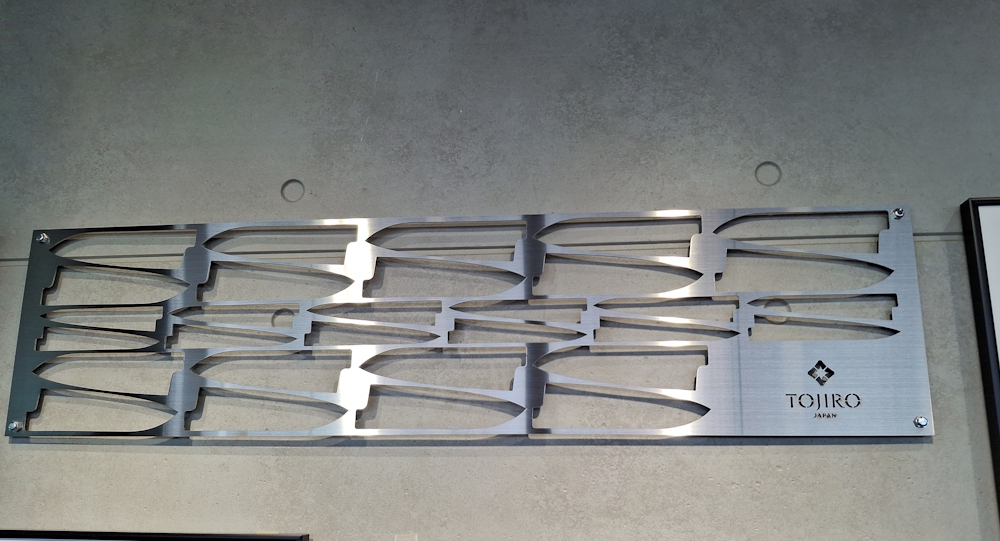
The next steps involve flattening, heat treatment and grinding. How do I know this? The tour route is inundated with signs explaining all the steps. Note the above picture does not include handles. They are welded on after the grinding of the knife’s edge.
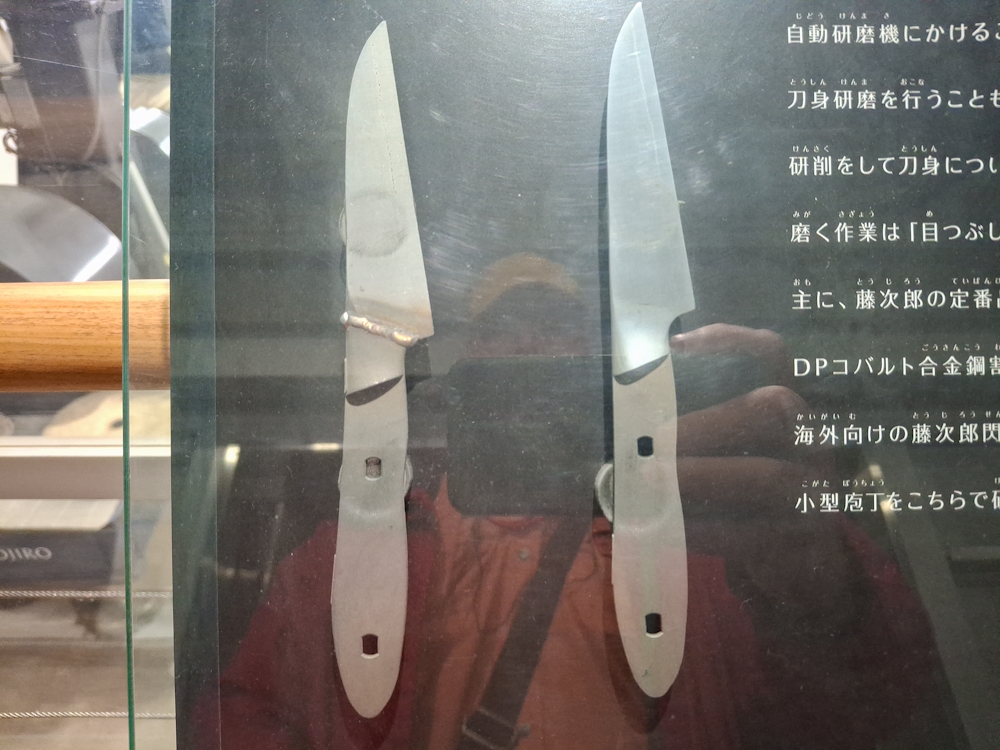
Following welding there is polishing, which includes grinding away the welds (sample on right in above image). I dabbled with medieval reenactment when I was in college and follow many sword-and-shield YouTube channels. They would all sneer at welded blades. However, these are not combat swords, but kitchen knives. I can understand manufacturing a budget line.
The steps involved with hand making was also shown.
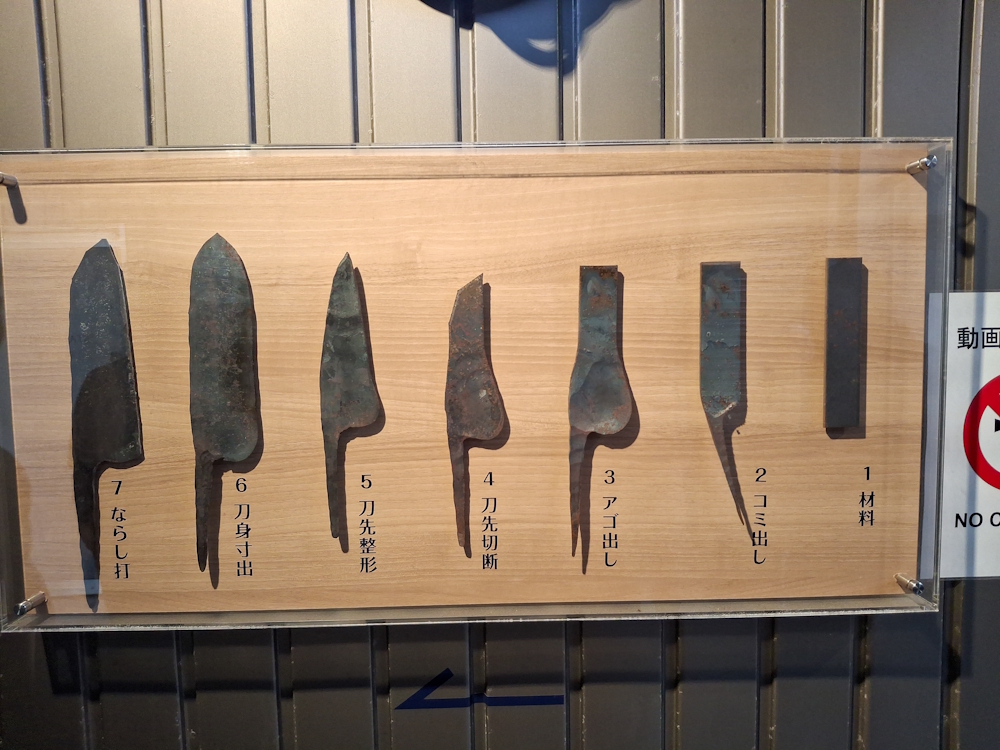
Machines were still used for the hammering and polishing, but it was much more hands-on. This includes using a chisel to add character text to the blade.
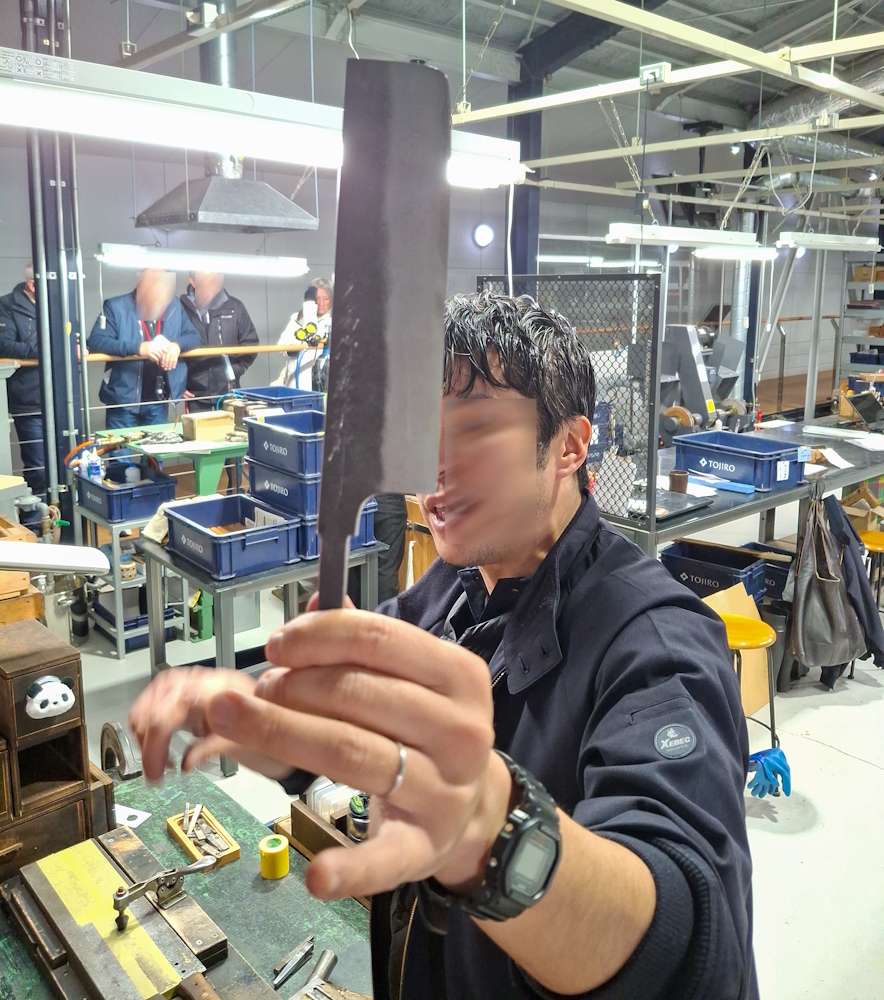
We then visited the “gallery” shop, which was amazing.
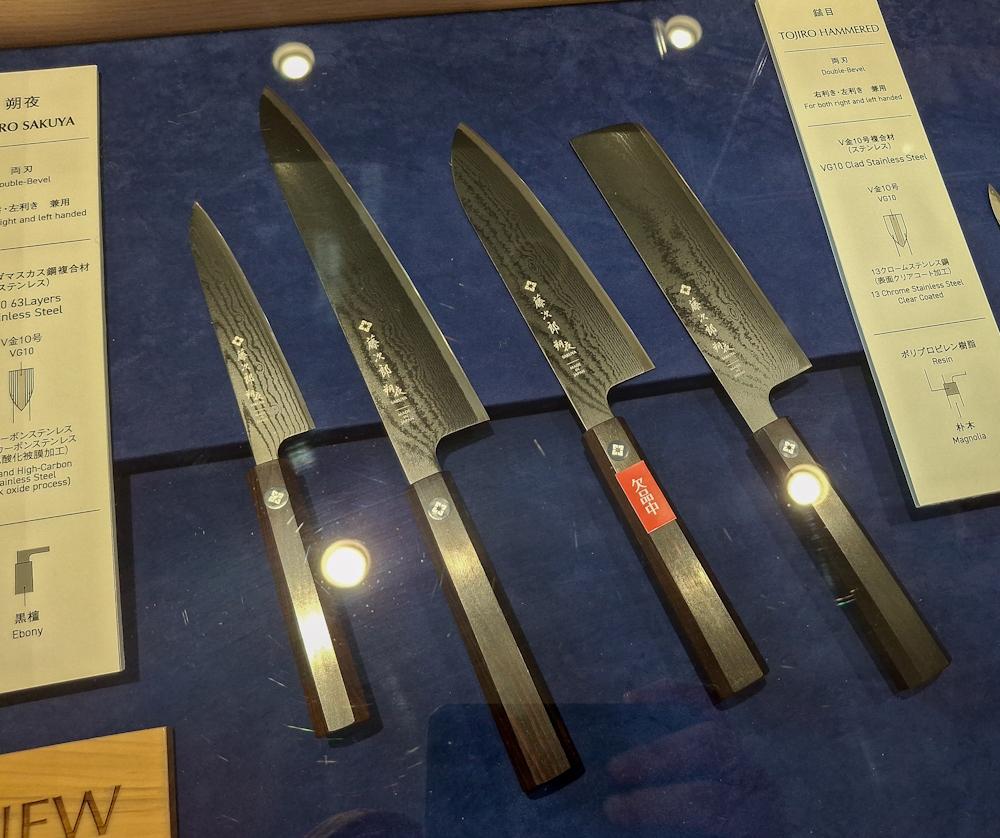
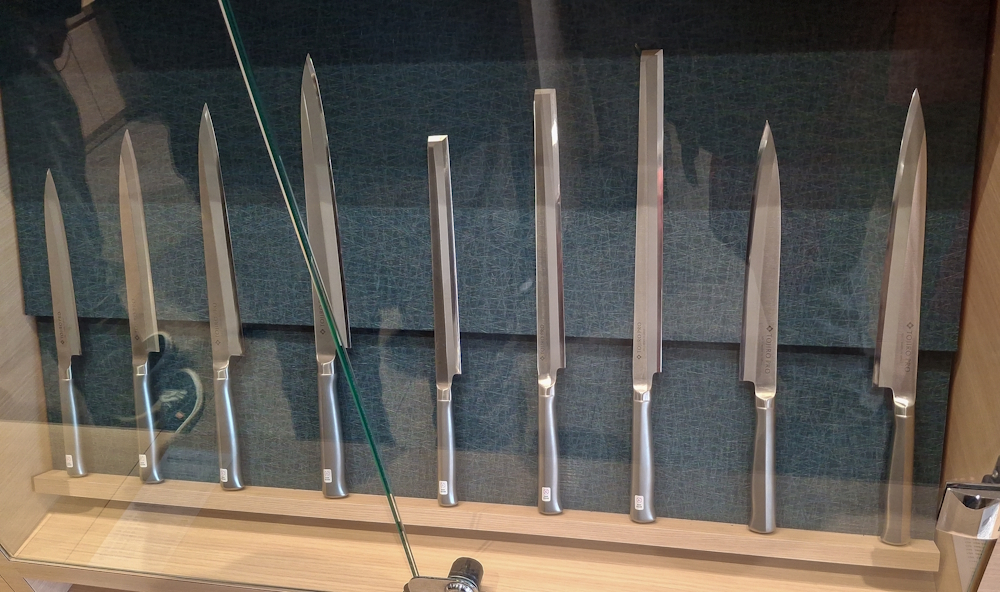
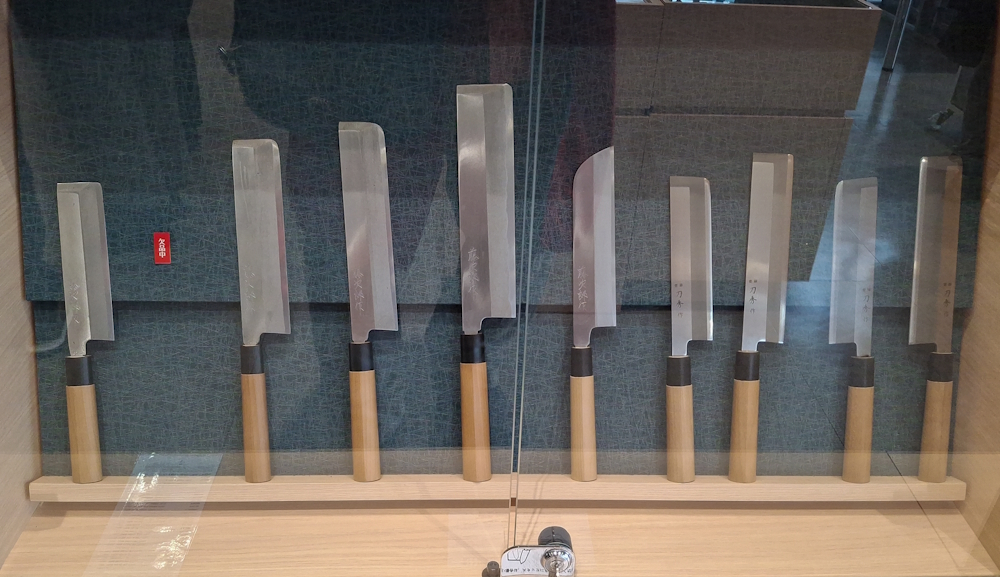
I don’t like the idea of carrying a bunch of knives thru airports and on airplanes, but I was very impressed. I will look up their stuff when I get back home.
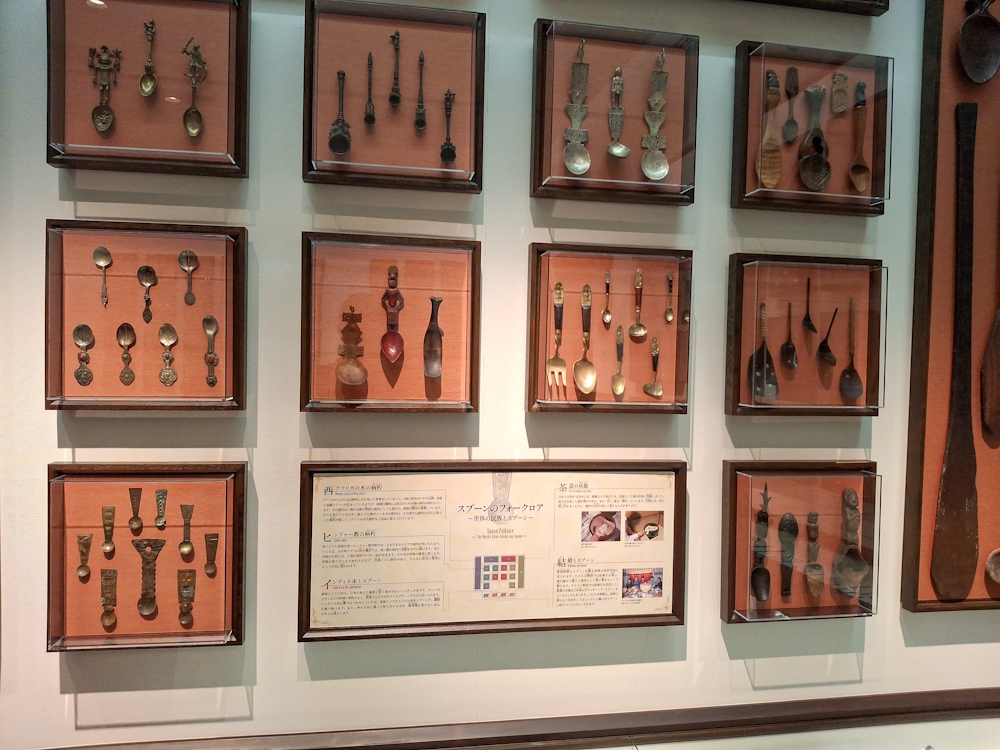
We then visited the Tsubame Industrial Museum. You know the region is serious about it’s work when they support an “industrial museum” in a town surrounded by rice fields. These guys are serious about spoons – seems that is what got them their big start. During WW1 all the European metal working shops were busy making munitions and folks needed cutlery. The local Tsubame shops were already making essentially metal spatulas for use in the Japanese traditional open-hearth kitchen; that’s almost a spoon already. It all went from there. The museum had a whole room of historical spoons.
Tsubame was selected to supply the cutlery for a recent Nobel Prize Jubilee.
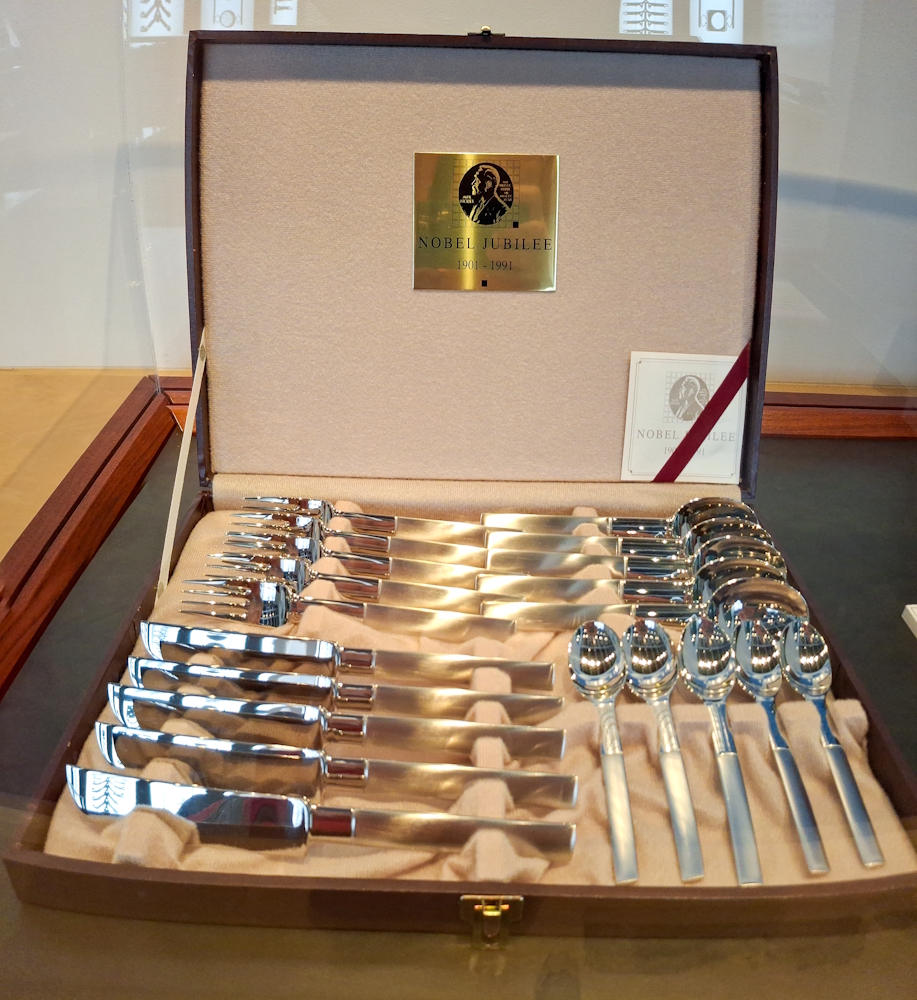
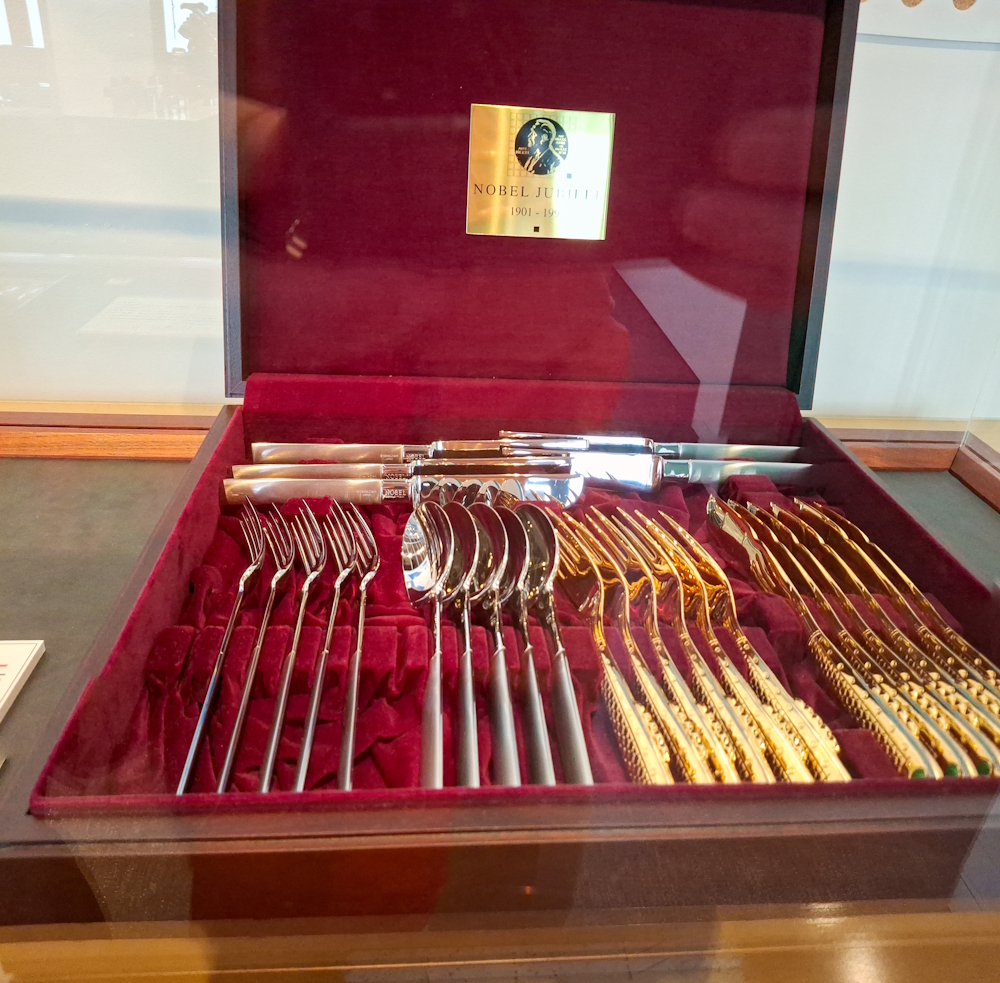
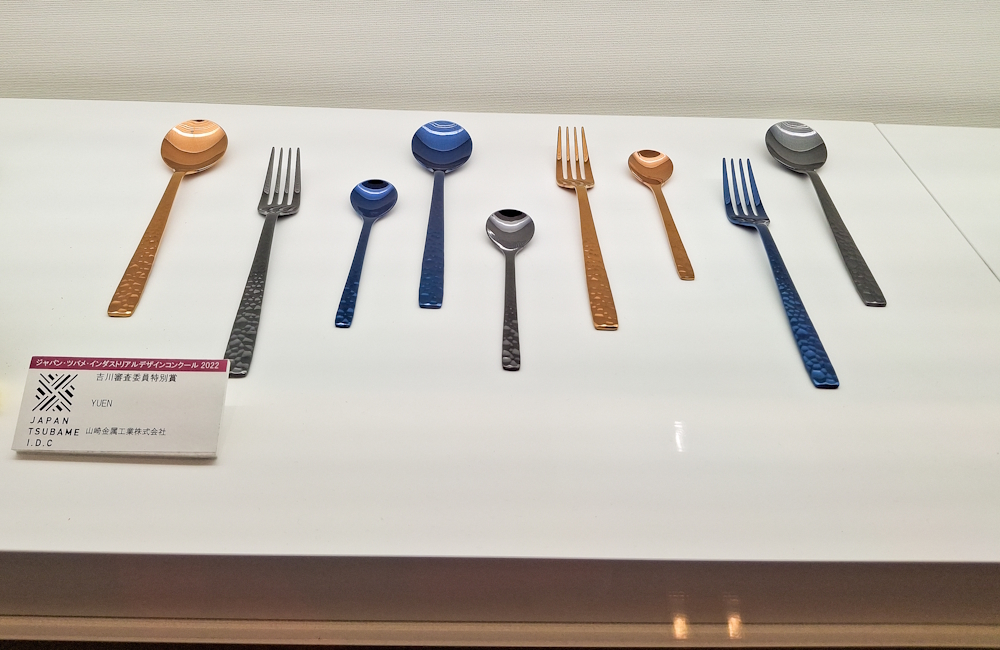
They also had modern cutlery on display.
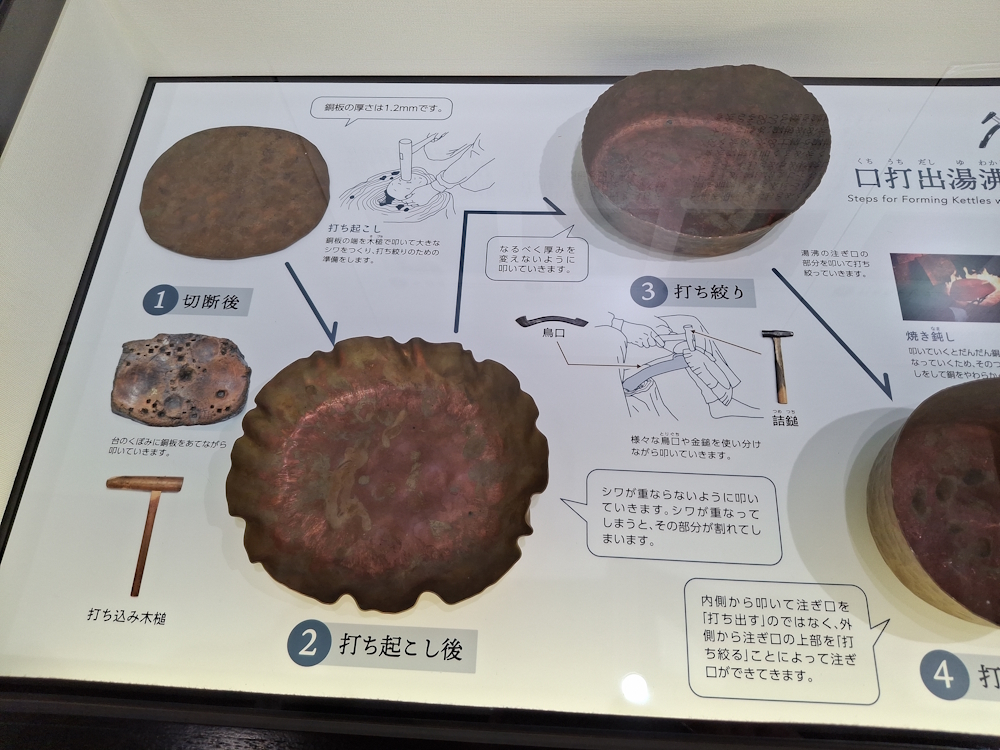
The museum also had sections of metal tobacco pipes (“kiseru“), ink cases (“yatate“) and engraving. They had a whole room dealing with copper. When your favorite CruiseBoy was studying computer science in college I took a metal-working elective which focused on silver smithing – which includes copper. The following images show how to raise a copper kettle from a single sheet of copper. No welding.
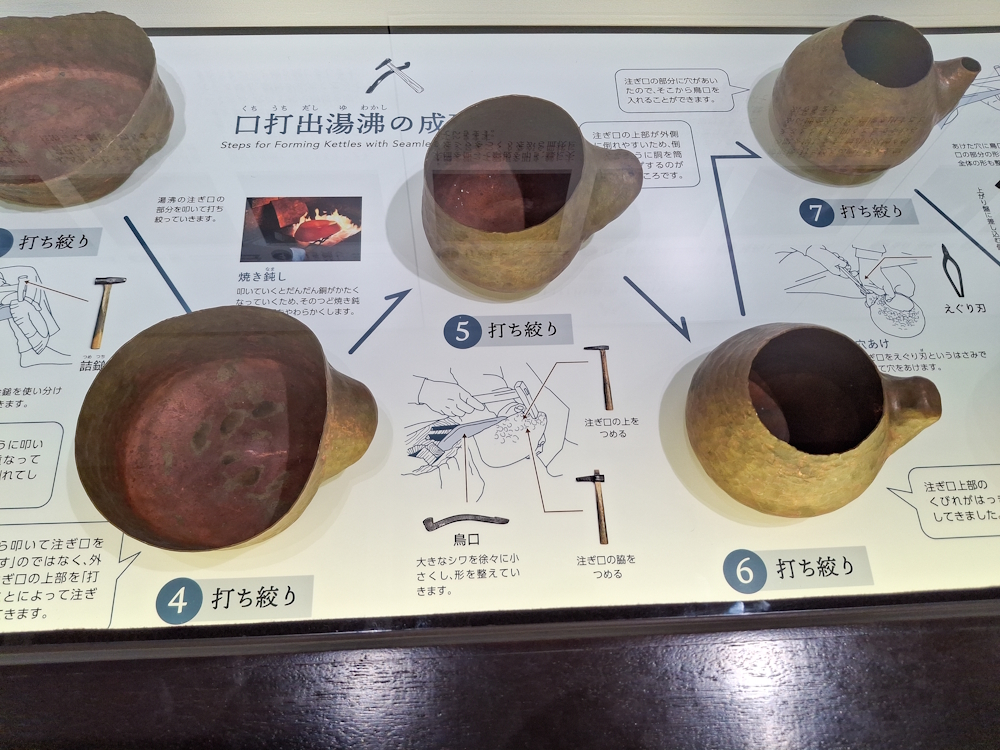
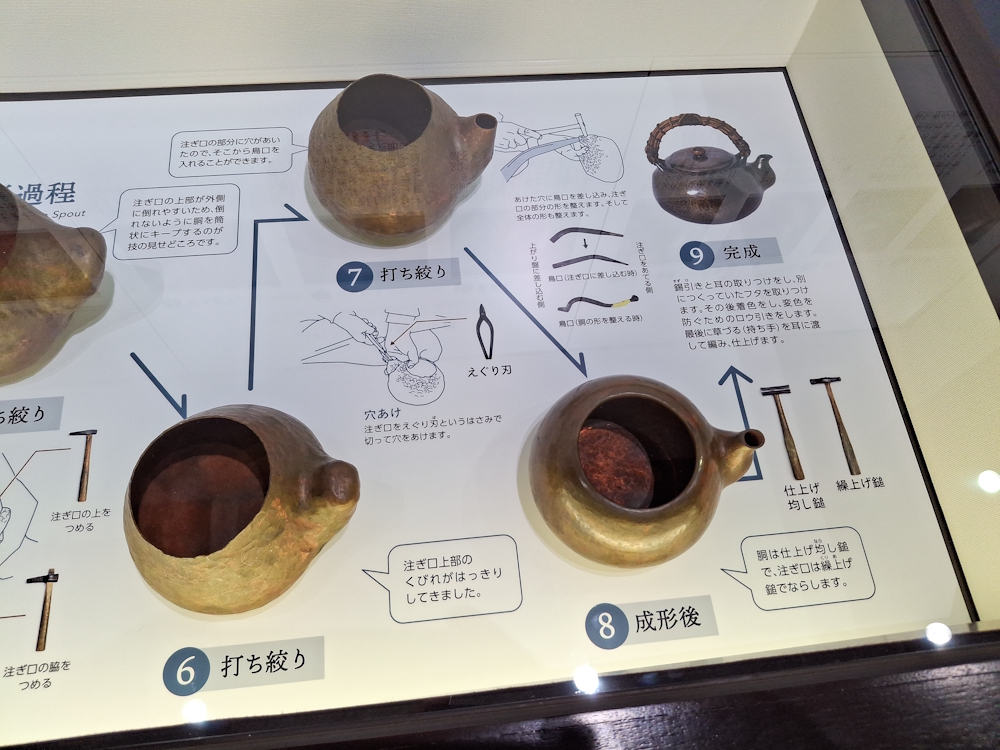
However, this piece just blows me away.
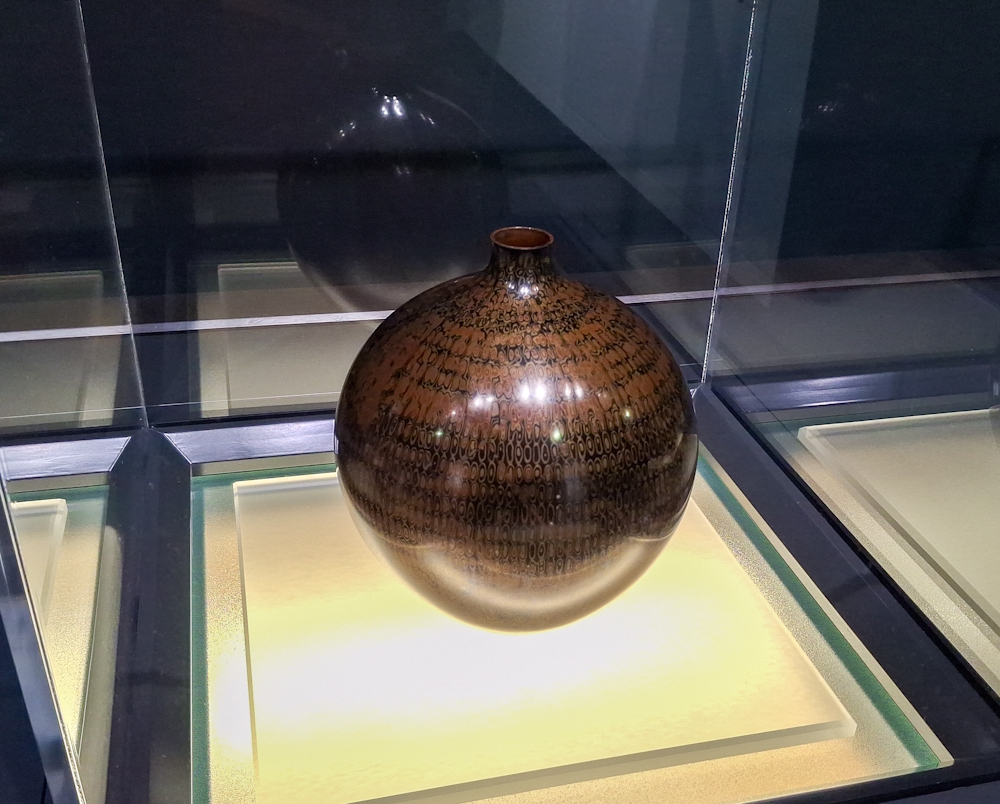
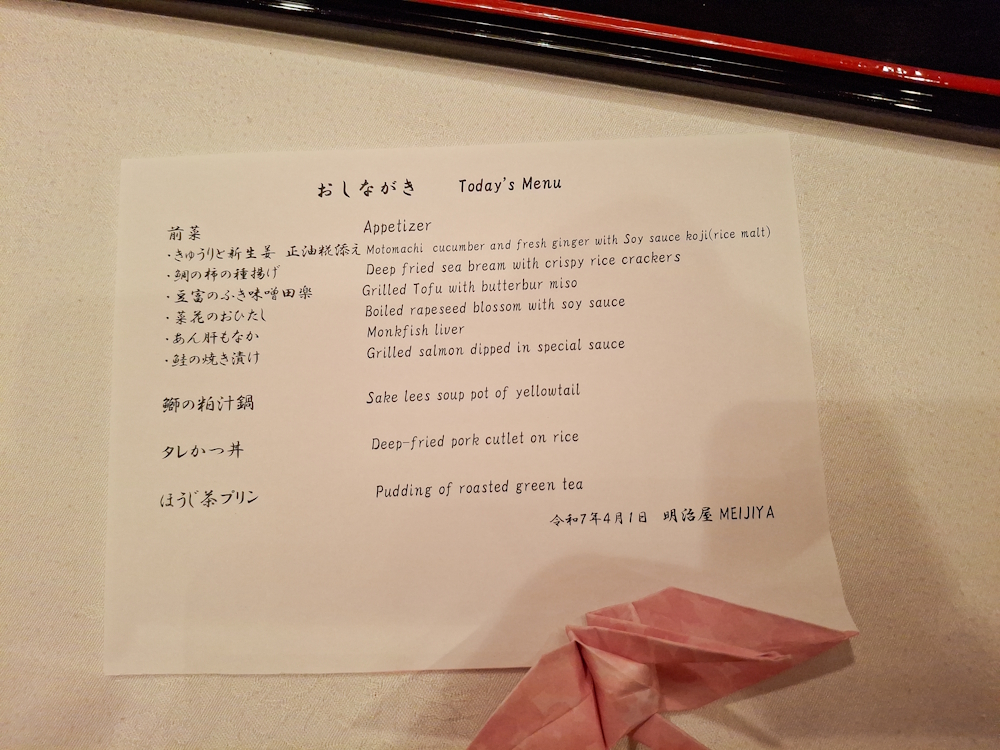
After all that is was lunch time. A local chef, who only does catering gigs, put together an amazing meal.
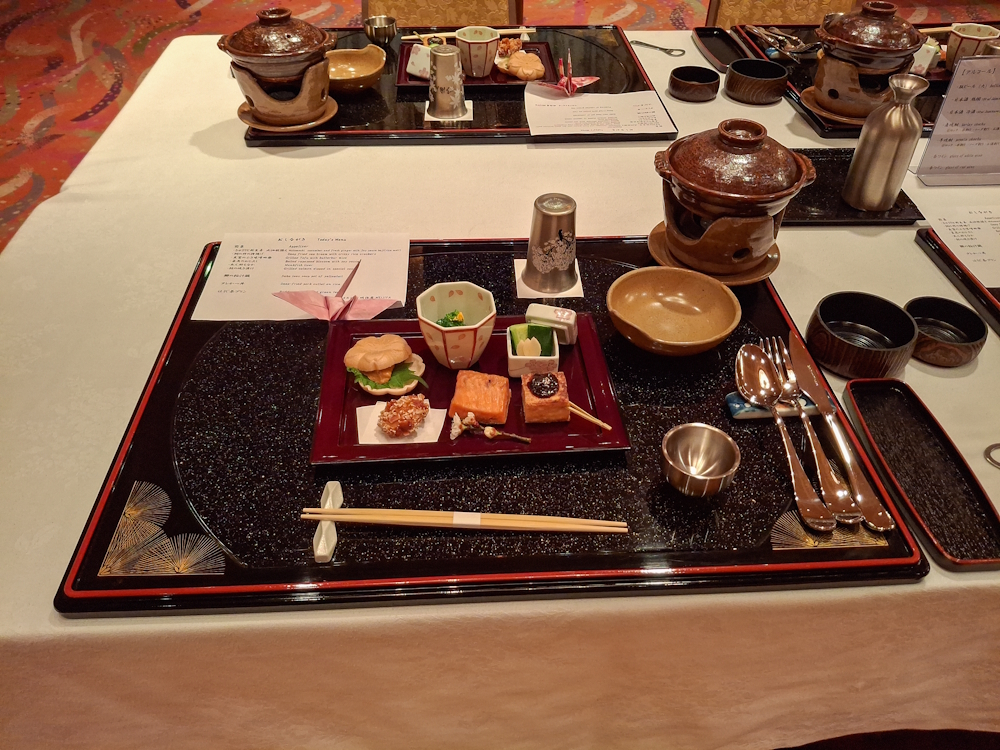
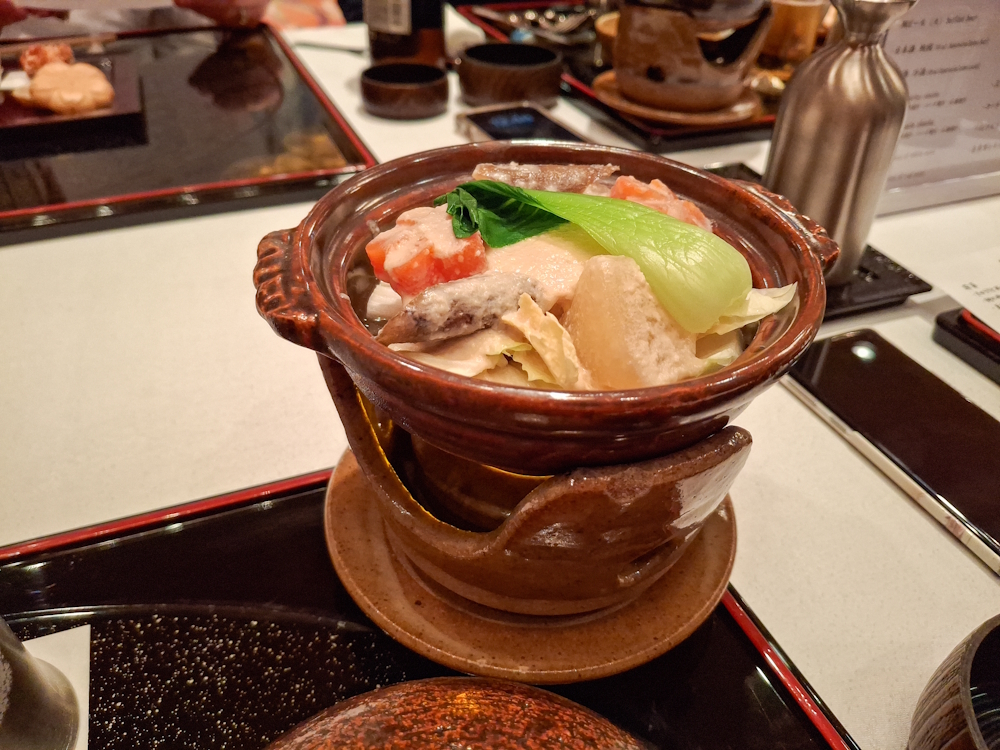
The soup was heated by a candle under the bowl.
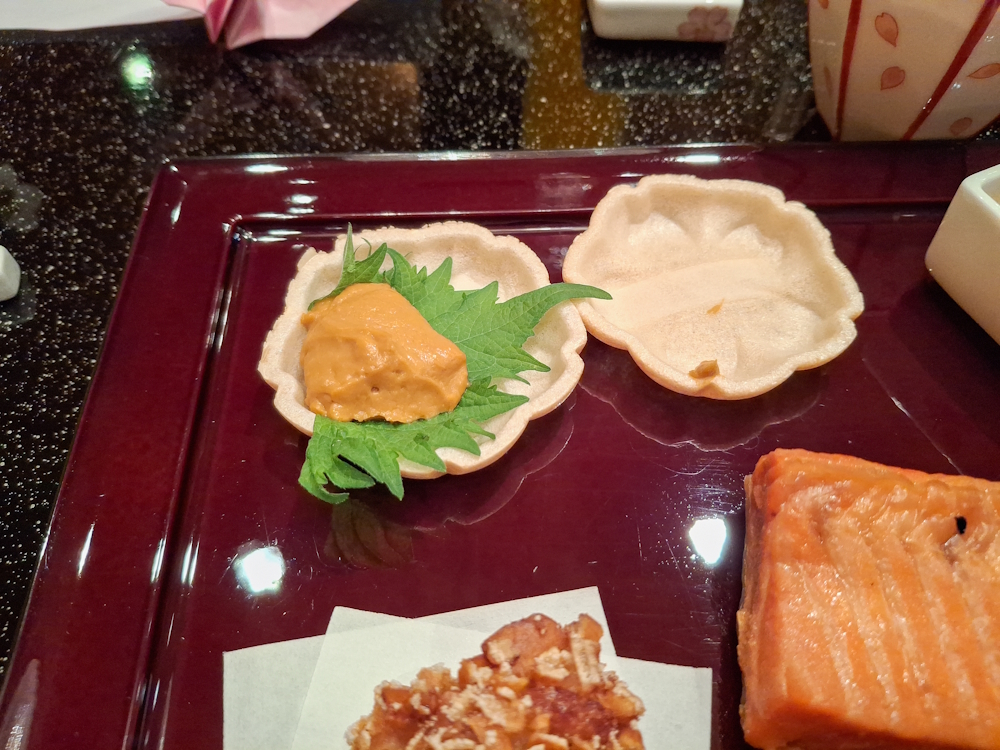
I was confused by the “monkfish liver”, but it was within an edible bowl-pastry. It was kind of sweet.
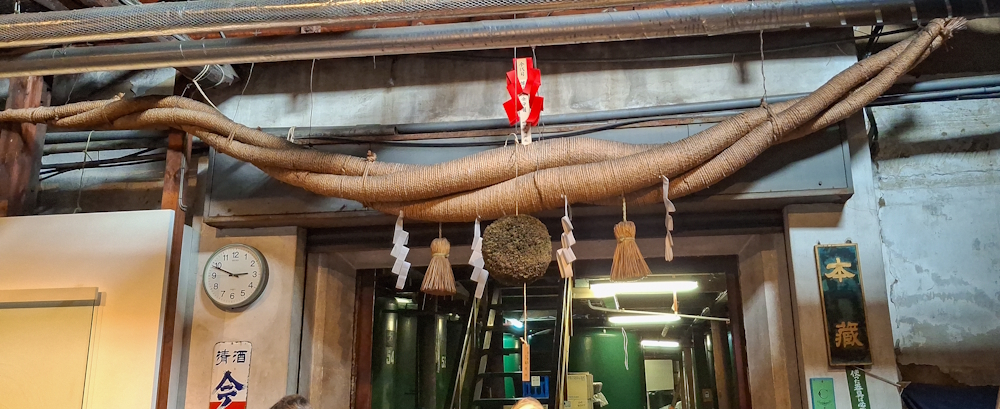
We finished our tour with a visit to a sake brewery. They brewery part is treated like a shrine, complete with the rope and ornaments. The ball in the middle is a gathering of cedar tree leaves. The brewery guide explained that historically when a batch of sake starts fermentation they put the leaves together – when the leaves turn brown the sake should be ready for filtering.
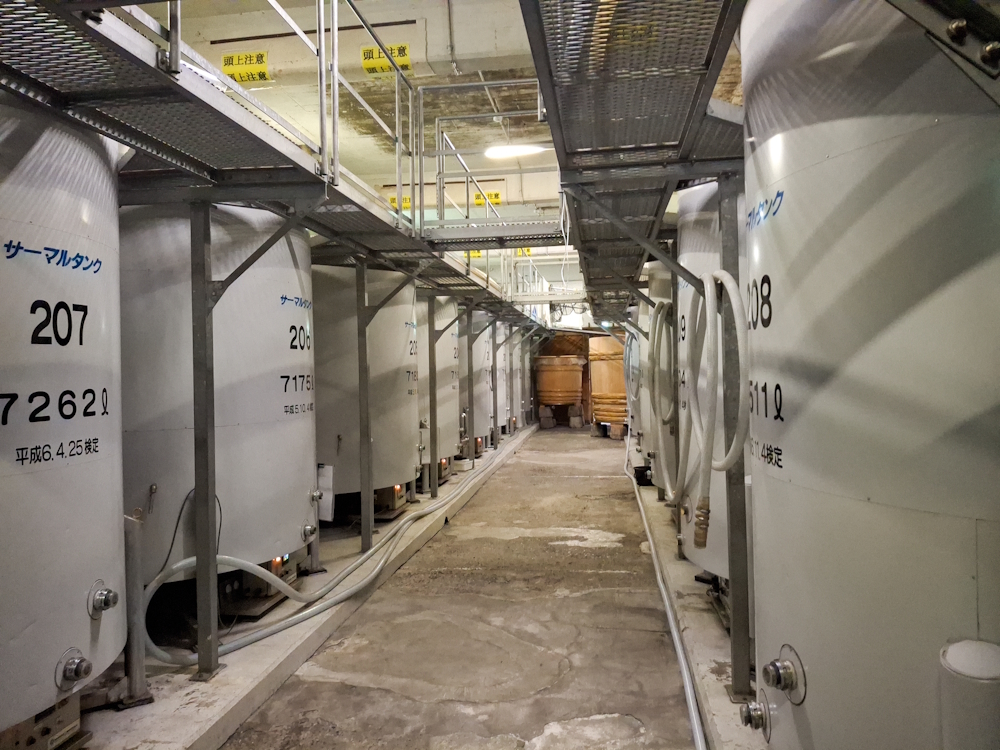
They don’t use wood to add flavor to sake, like how wines and whiskeys do. They press filter the sake and what’s left behind is called “sake lees“, which is used as a food additive. The tour ended with an exhibit how how different types of rice are used for different recipes of sake.
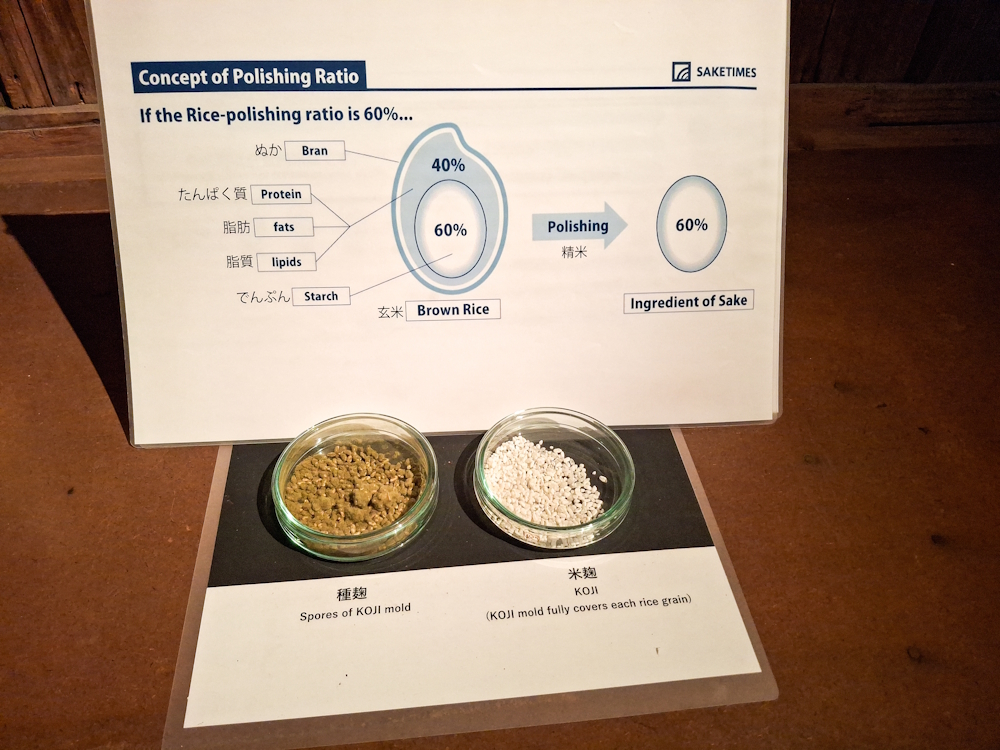
We finished the tour with a sake tasting. I’ve never been a sake fan, but I discovered non-alcoholic versions called “amazake” which I enjoyed.


You really made this stop and the sights interesting.
LikeLike