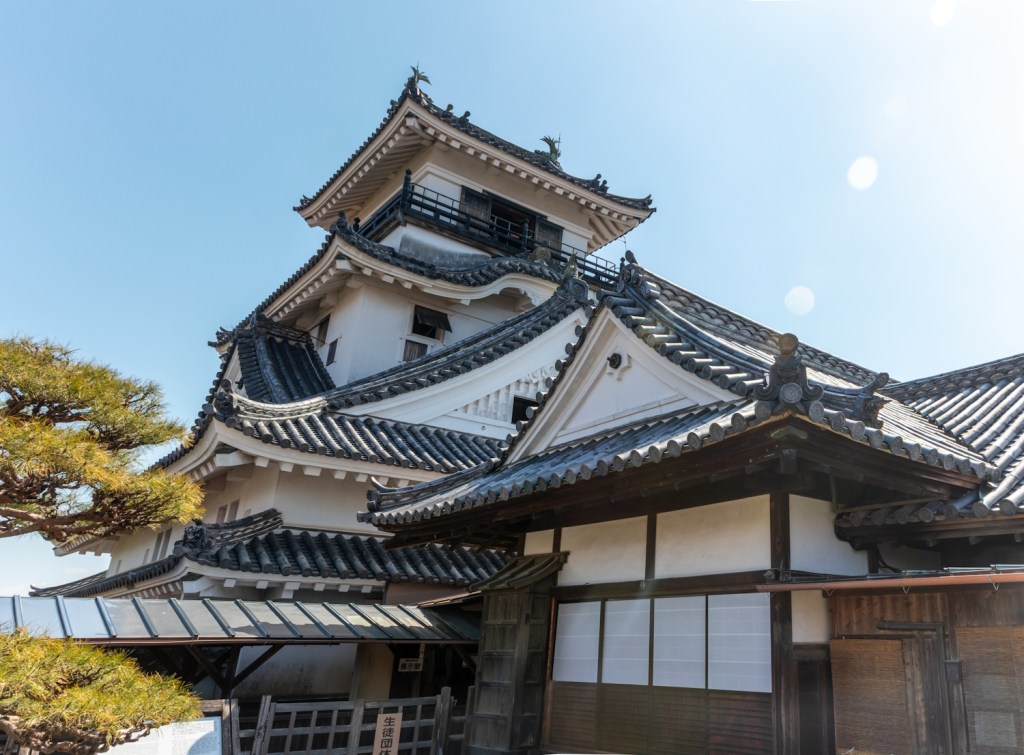
It’s time to get medieval, so I am visiting Kochi Castle. It’s one of the few Japanese castles that are “original” – which my guide and surrounding signs reminded me every 10 seconds or so. Historical Japan builds mostly with wood, so things tend to burn down. A lot. Kochi Castle has survived about 300 years. It was rebuilt in 1750s… after burning down, of course.
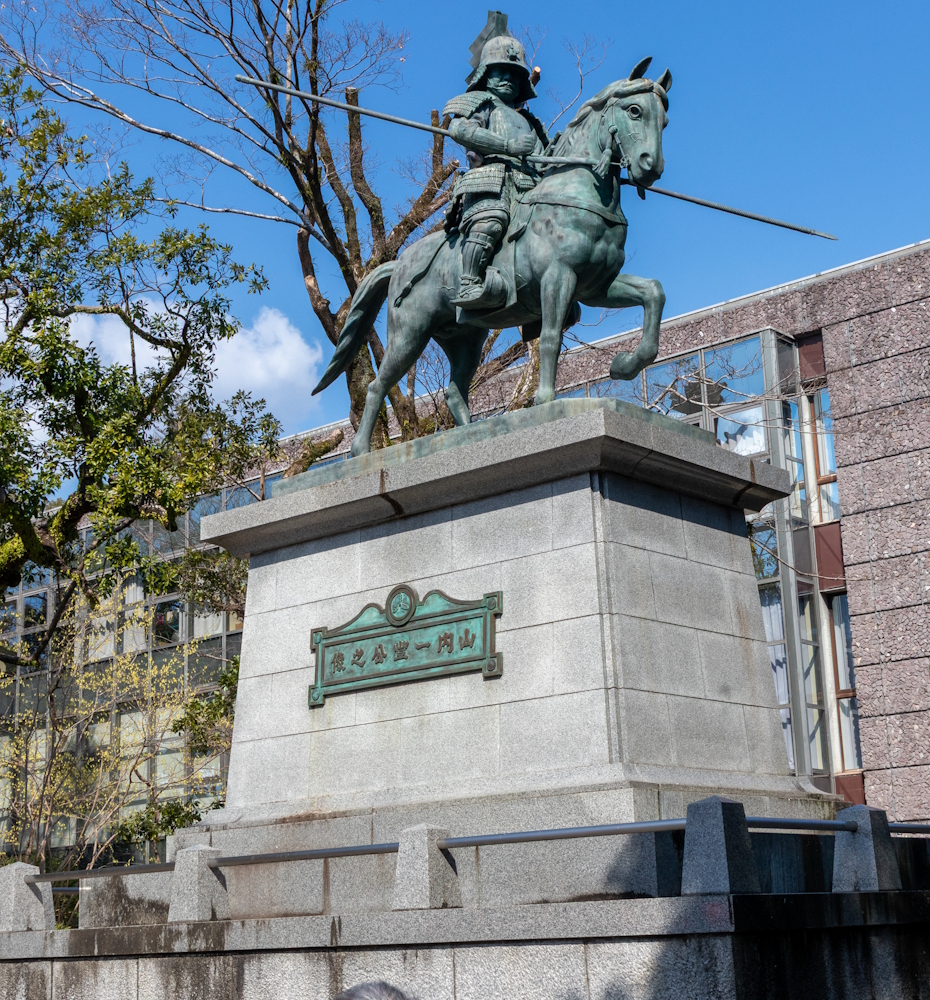
First we passed a statue for the lord who built the castle: Yamauichi Kazutoyo.
Then we approached the outer walls.
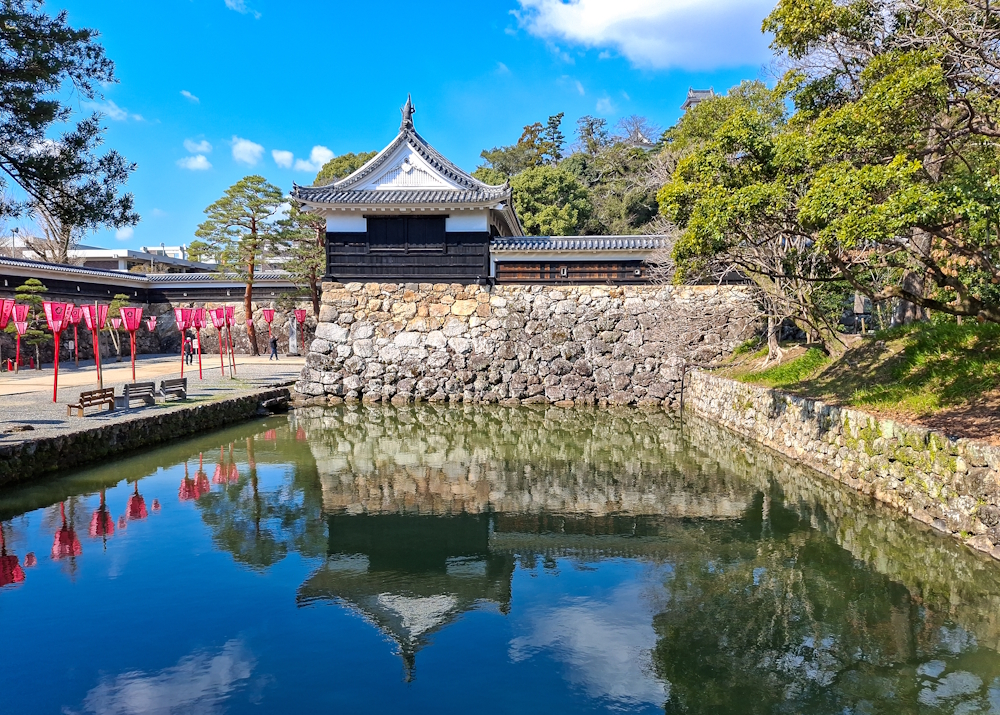
Just inside the outer gate we got our first view.
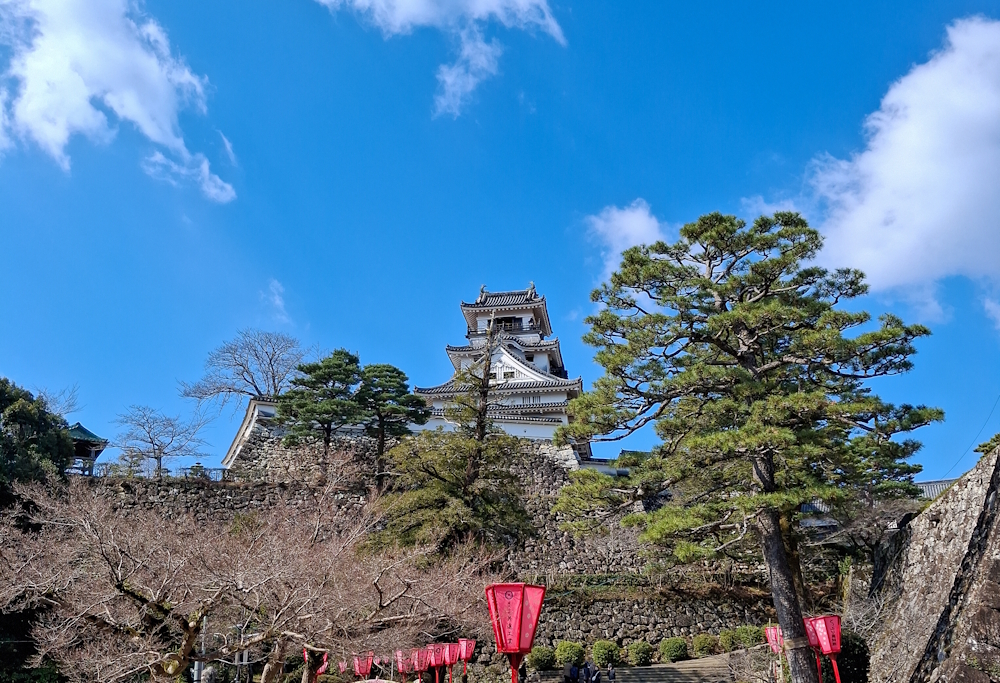
Once inside the main area the presentations began. Here is the crest (“mon“) of the Yamauichi clan.
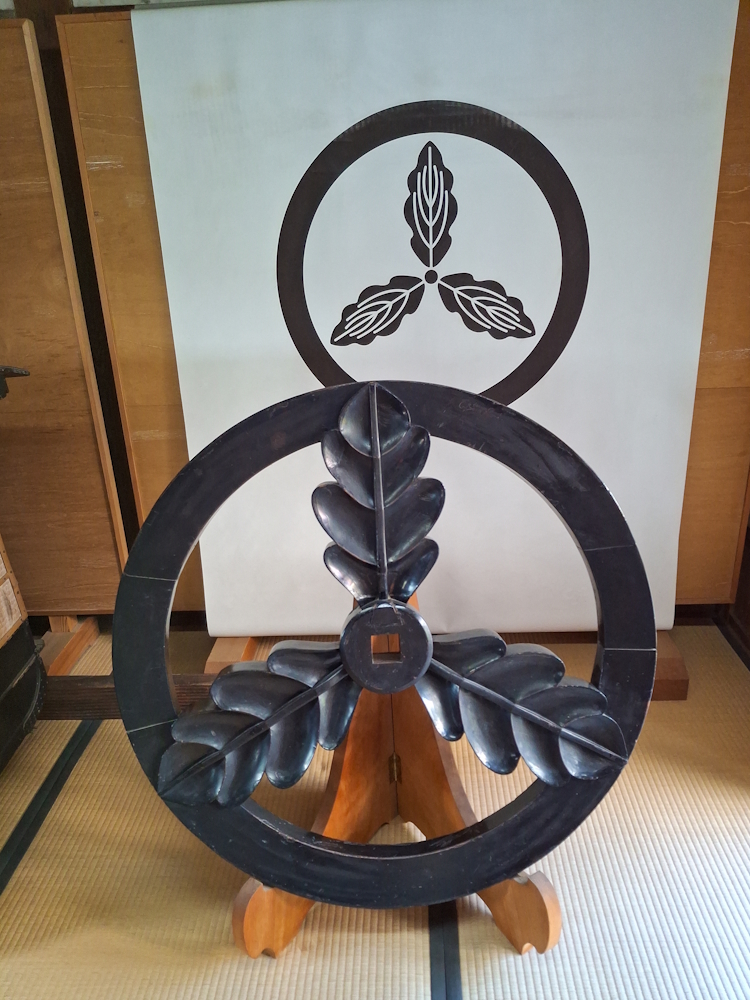
Quick side note: the founder of Mitsubishi is from this area, and the above emblem led to that company’s logo.
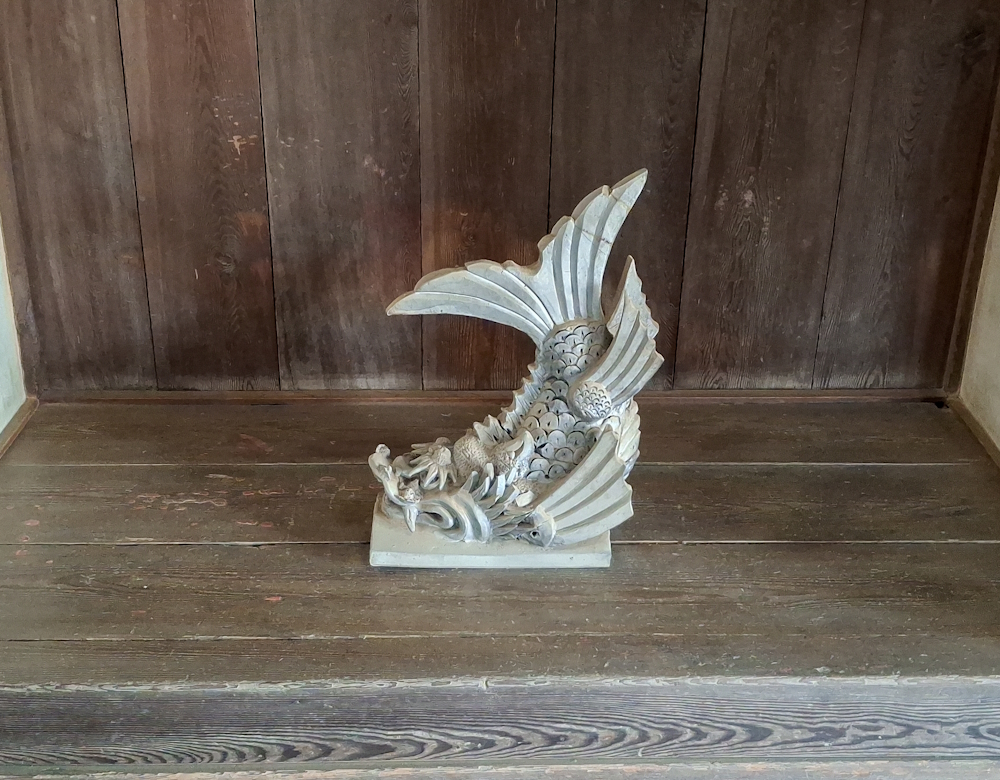
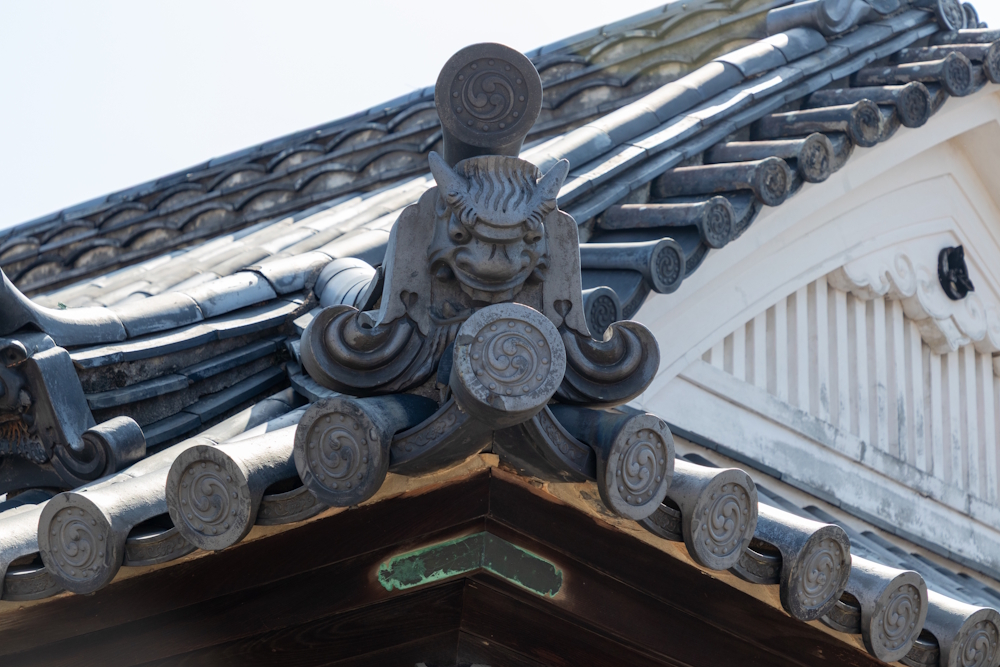
A “shachihoko” is a kind of fish-dragon that is on roofs of major buildings as a prayer for the creatures to help keep fires from the building.
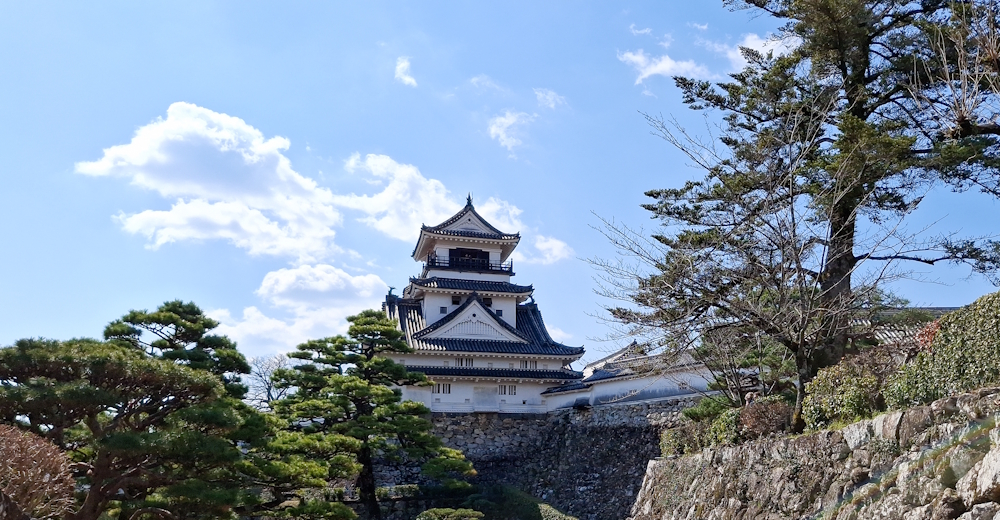
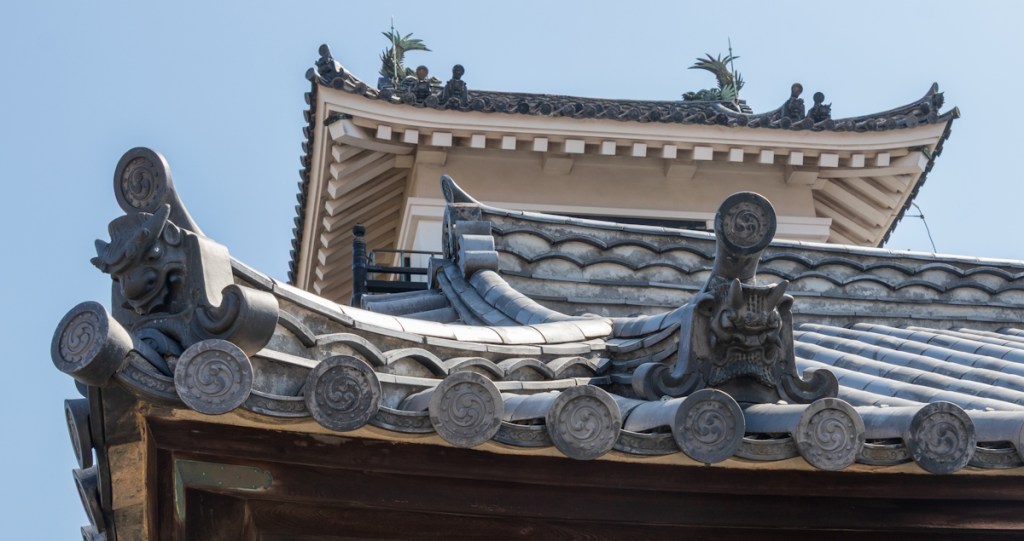
Here are my (apparently) required Asian roof shots.
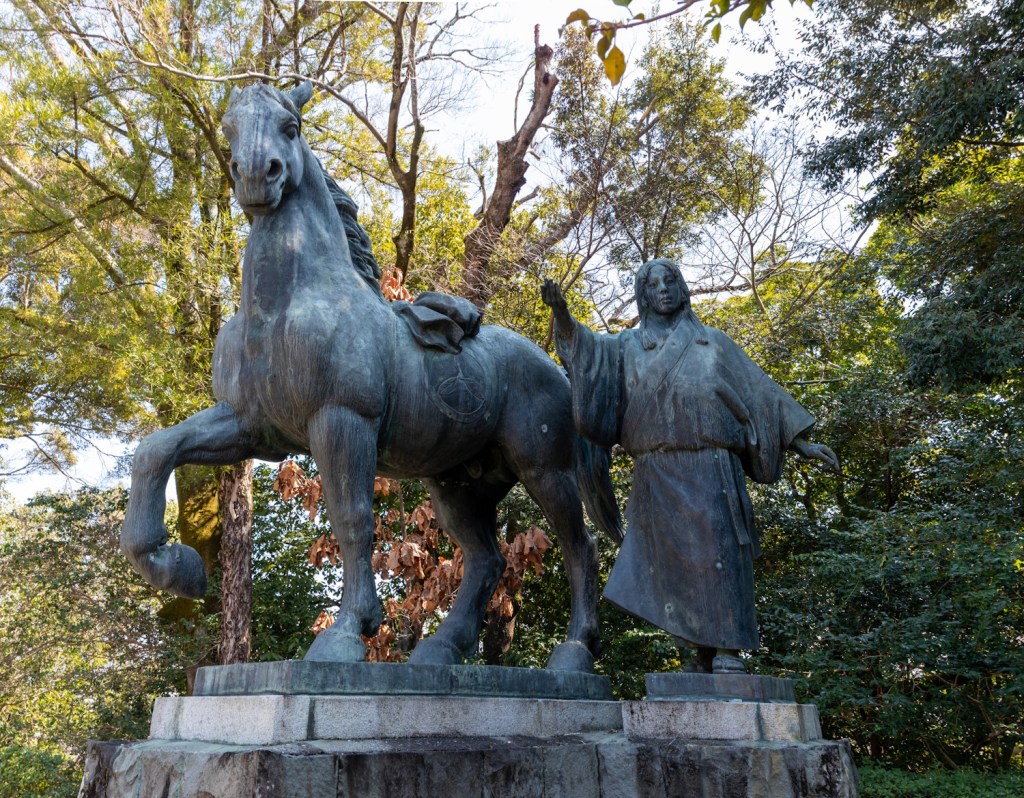
The last statue we passed while leaving the castle was of Chiyo, wife of our dude Kazutoyo. The story goes that Kazutoyo was a very low-level samurai when they got married, needing to fight on foot or on a rather poor horse. Seeing that, Chiyo spent her entire dowry on finding and training a kick-butt warhorse for her husband. His follow-on successes caught the notice of the powers-that-be and the rest was history.
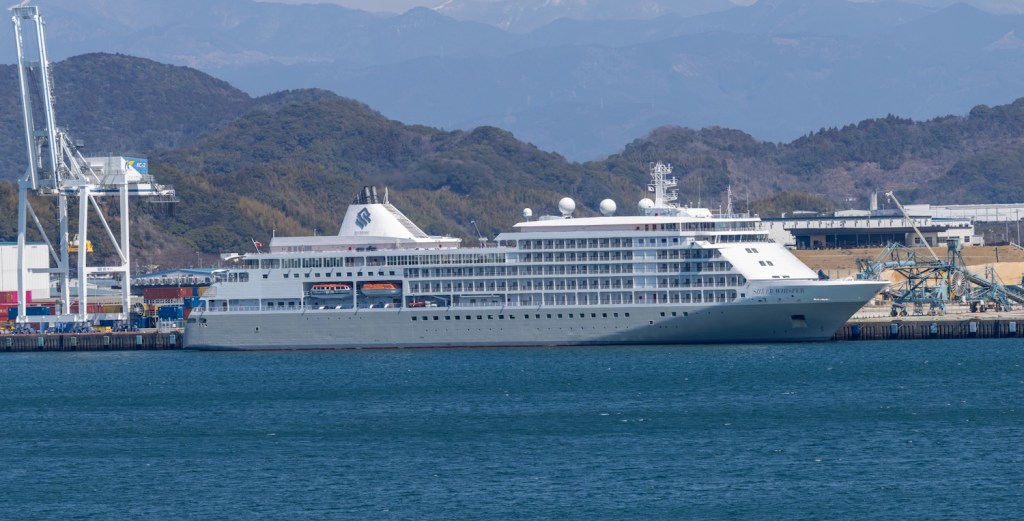
After the castle we went to Katsurahama Beach to visit another local hero. Turns out it’s just across the bay from the Kochi cruise docks (they don’t have a building yet).
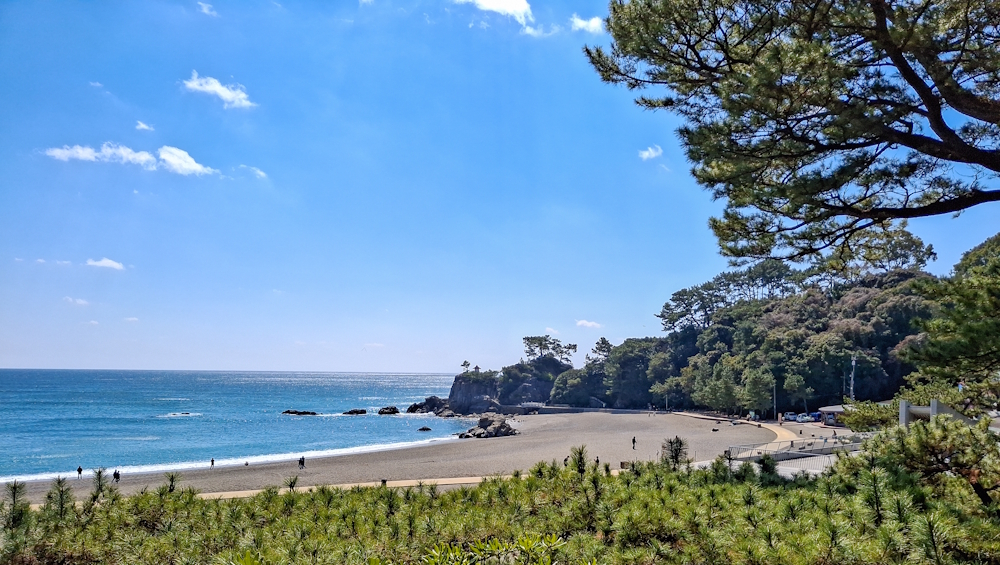
Second thing I noticed was the cool black sand.
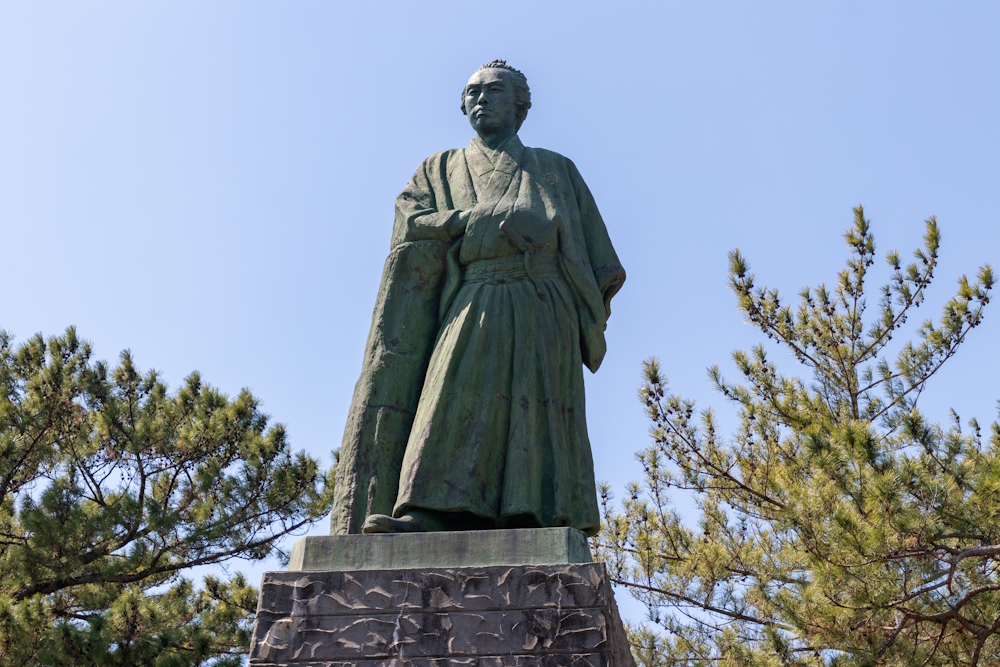
We visited the statue of Sakamoto Ryoma, a young local samurai who was assassinated for supporting the Emperor against the Shogun during the Meiji Restoration.
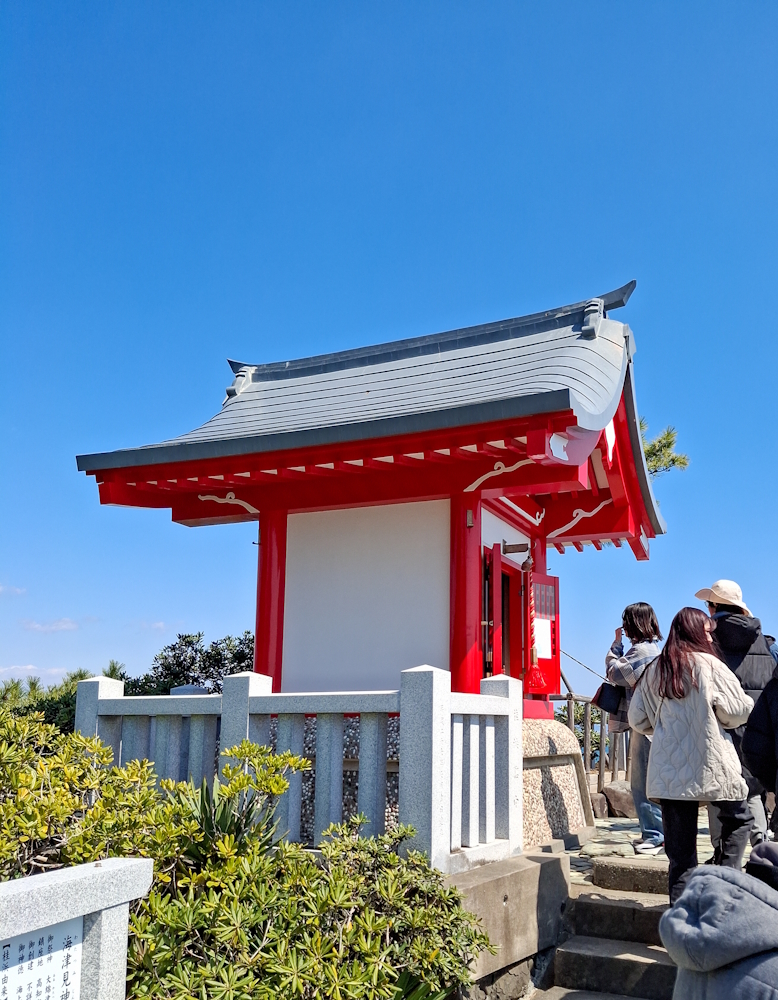
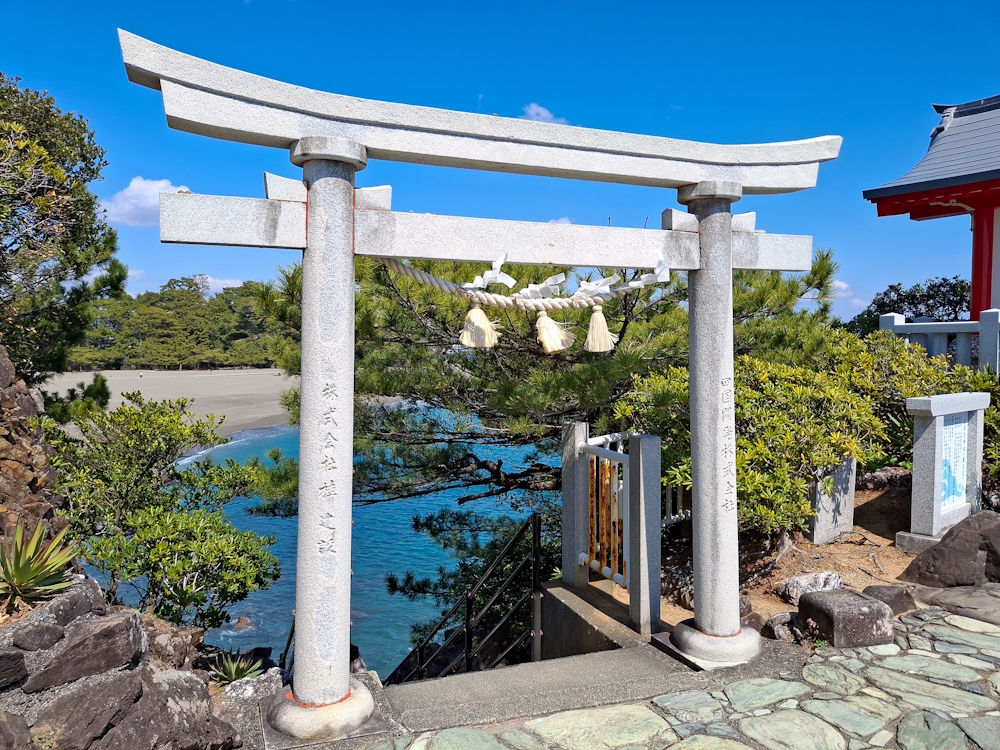
At the other side of the beach there was a small shrine. Today was a Wednesday, yet there was a line to donate to and make a wish at the shrine.
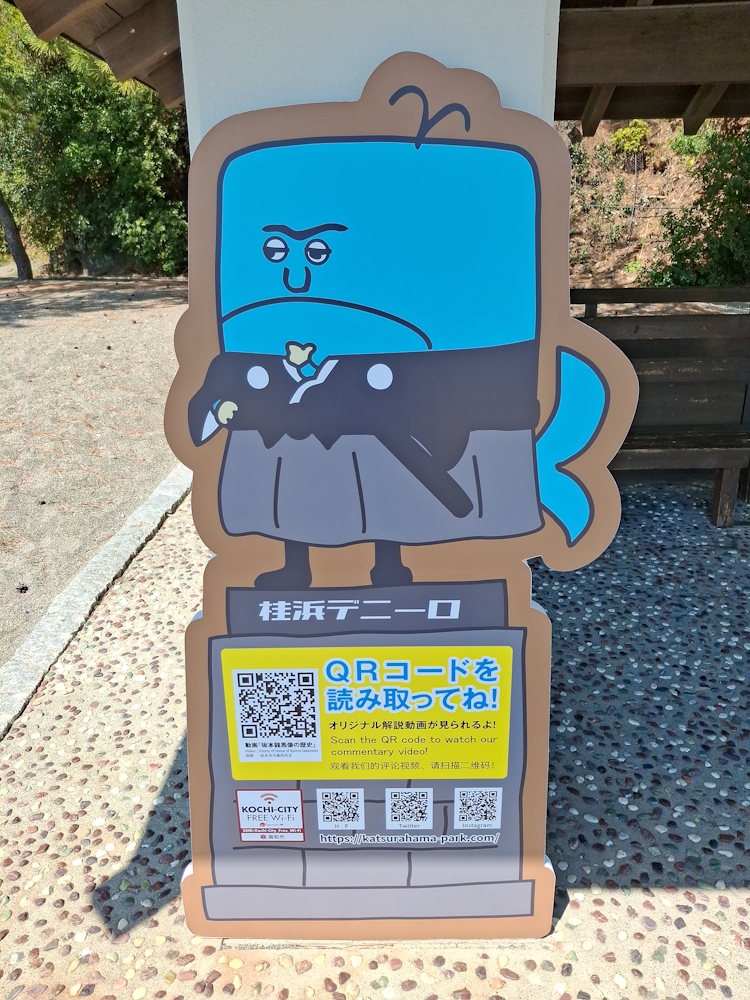
Japan is completely under the sway of the “Cult of Cute”. There is the occasional whale spotted from the beach, so the mascot is a samurai whale.
There was a small grocery store across from our bus parking, so I grabbed some local snacks.
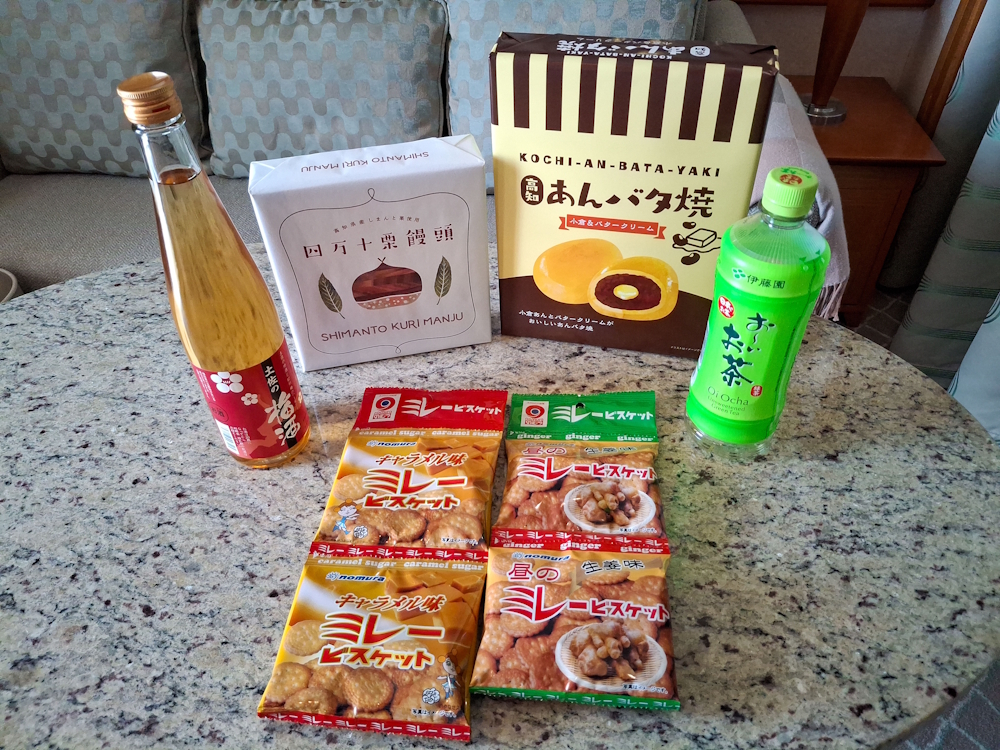
From right to left:
- Bottle of green tea.
- Bata-yaki is a form of anpan, which is just about a Fig Newton. Instead of figs (if there really are figs in a Newton) they use red bean paste, or “adzuki”
- Manju – a different kind of anpan, but coated with a chestnut glaze
- A bottle of Umeshu, or plum wine. It’s sweet like a desert wine. I developed the habit to drinking some while eating teppanyaki.
- Two bags of crackers, ginger and caramel flavored. There were over two-dozen flavors offered.


How are you translating the Japanese writing on these items? Are you using the live-video translate-o-vision app thingie from Google Translate?
LikeLike
I specifically used Google Translate text to ask for plum wine, and the green tea had an English sign next to it. I blindly bought the other boxes and used the internet to find out what they were.
LikeLike