Shimizu, Japan is known as the “Gateway to Mt. Fuji”. I wonder why…
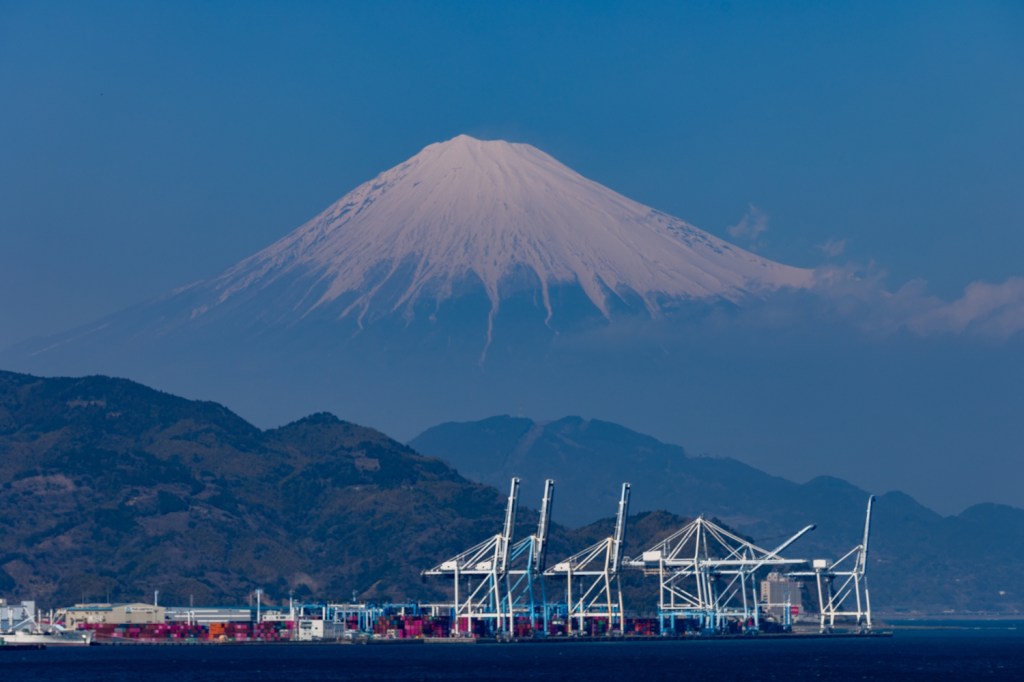
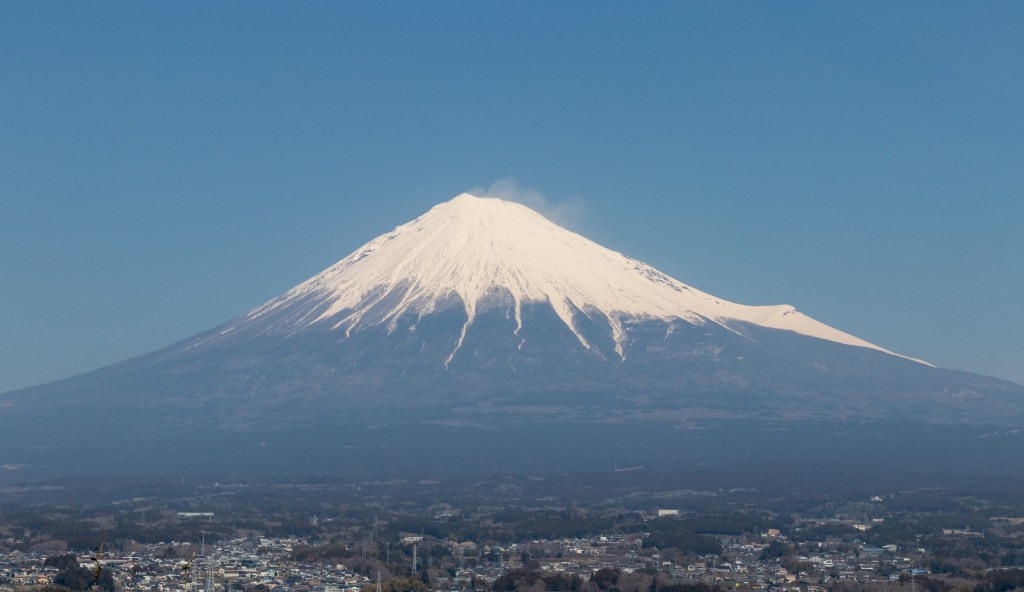
That was the actual view from my cabin veranda. Sugoi (wow). Mt. Fuji is over 3700 meters high and is an active volcano, but the last time it erupted was 1707. Even stranger, my tour of the Mt Fuji area was canceled because of heavy snow two days ago. It even snowed in Tokyo. However, we arrive in Tokyo only four days after the snow and the temperature is forecast to be over 70 degF (21 degC). Our guide said “Such is springtime in Japan.”
Today I am touring a tea plantation. Seems Shimizu competes with Kagoshima (which is where I was a week ago) for tea production and quality.
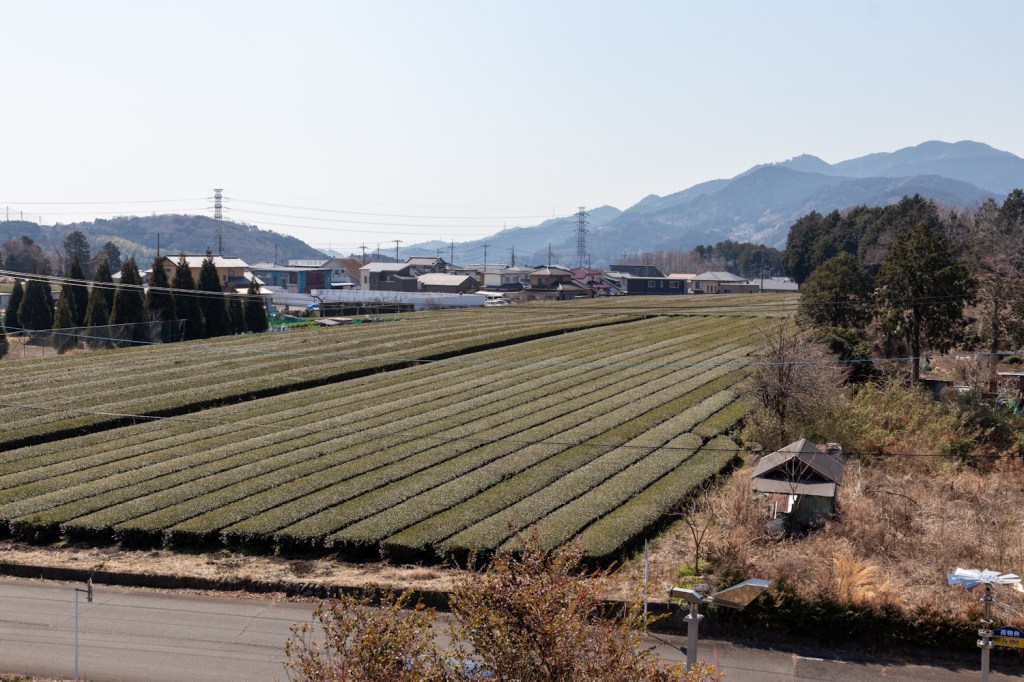
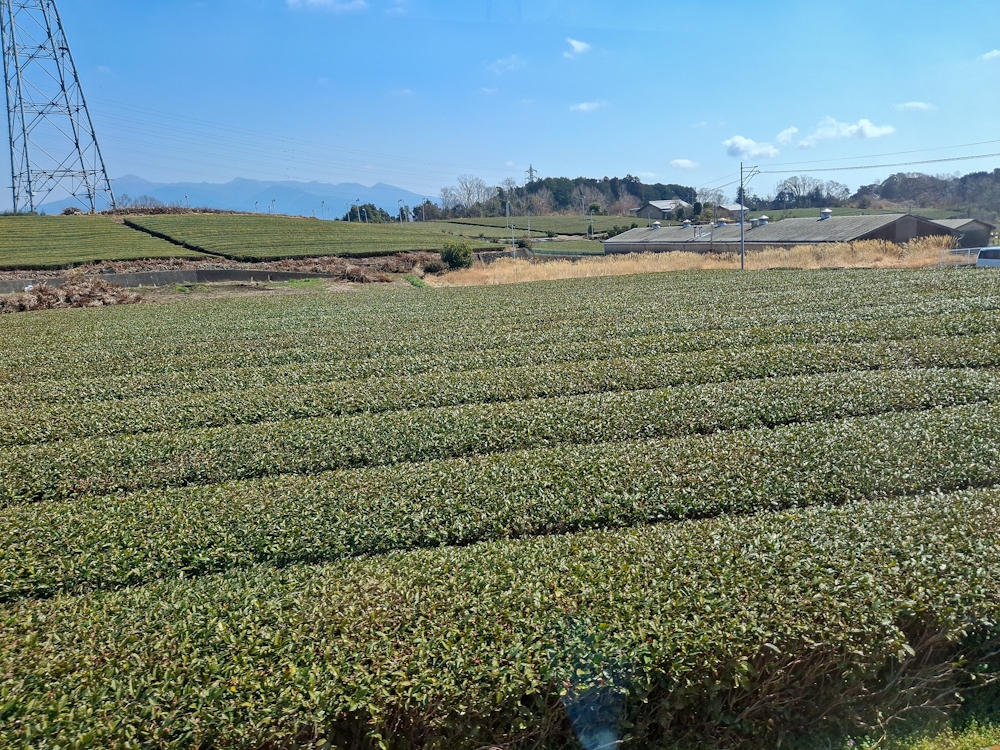

One big difference between this site and the tea plantation I visited in Sri Lanka during my 2019 World Cruise was how a mechanical harvester is used here; In Sri Lanka it’s all by hand.

This leads to some differences. In Sri Lanka there is “white tea”, which is from the tea bush flowers. These absolutely must be hand picked. Japan does not even try to make this – at least not at this farm. However, the famous “macha” powered green tea is not grown in Sri Lanka. It’s so finicky it must be grown in a green house to regulate sunlight and temperature.
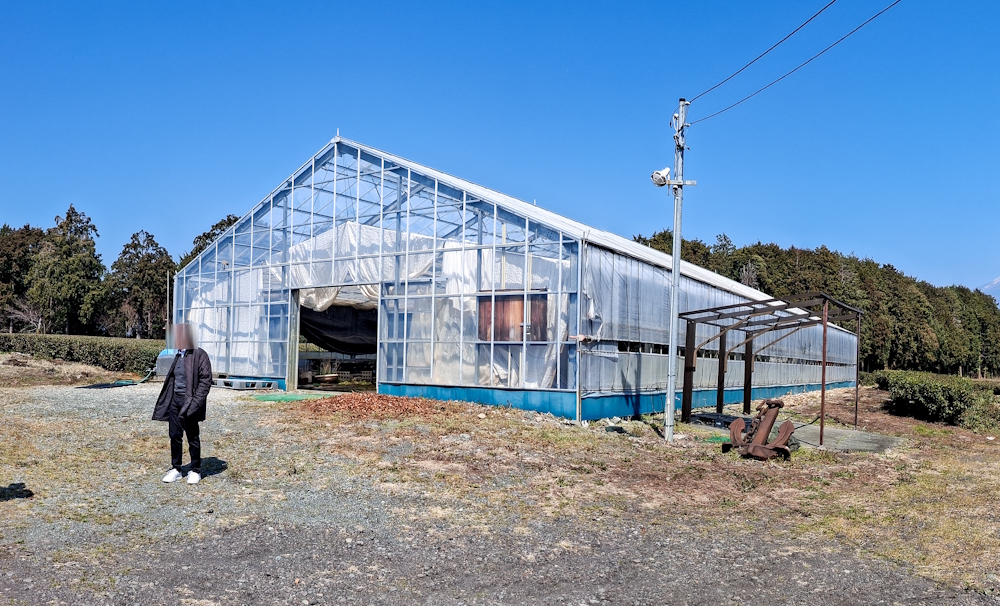
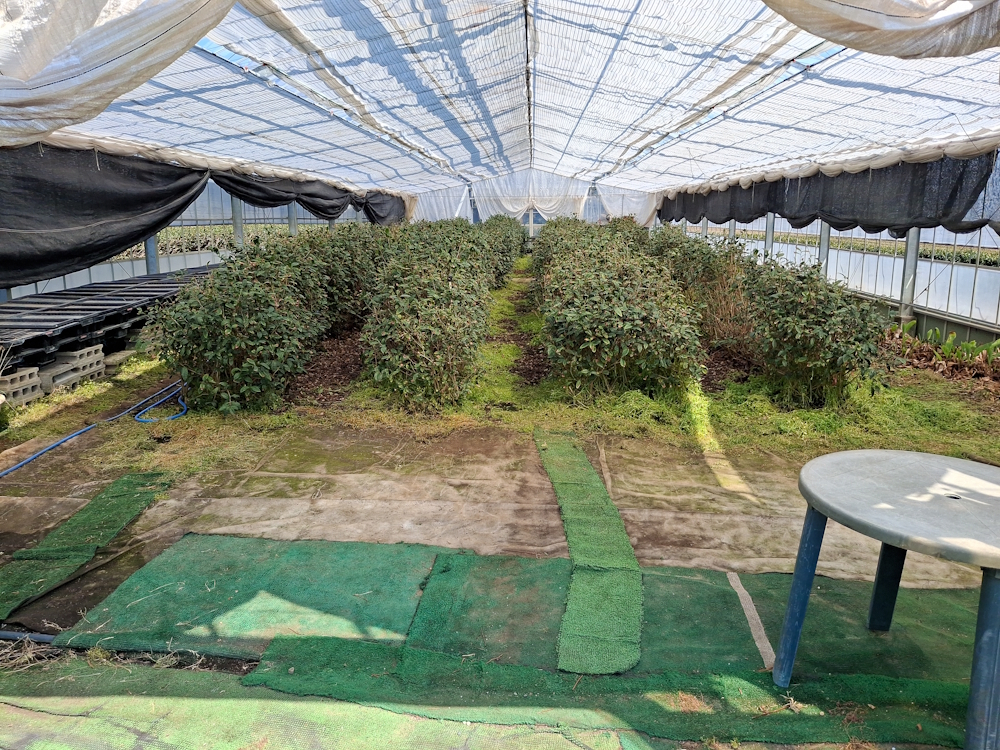
The farmer said they can get four harvests per year from the regular tea bushes (starting in May), but they must hand-pick the macha leaves and thus only get a single harvest per year. Which easily explains the cost differences.
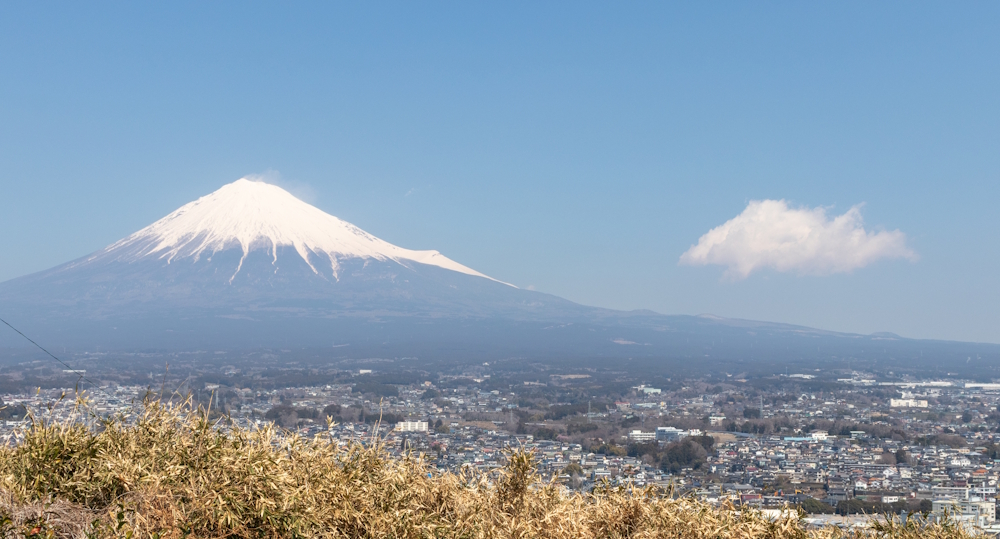
This farm is even closer to Mt. Fuji. The small “bump” on the right side is where the 1707 eruption came from.
Below, I liked how the cloud echoed the shape of the mountain. In all these shots the haze at the top is snow blowing off the summit.
I’m about to hit you with a lot of tea terms. Get ready:
- “Sencha” is made from leaves taken from the tops of the bushes; the typical tea of Japan
- “Bancha” is made from leaves taken from the sides of the bushes and later harvests; it is often mixed with other items
- “Genmaicha” is sencha processed with roasted brown rice to smooth the flavor
- “Hojicha” is a mix of sencha and bancha which is also roasted, producing a very low caffeinated tea
This brings us to the sampling. We started with fresh genmaicha.

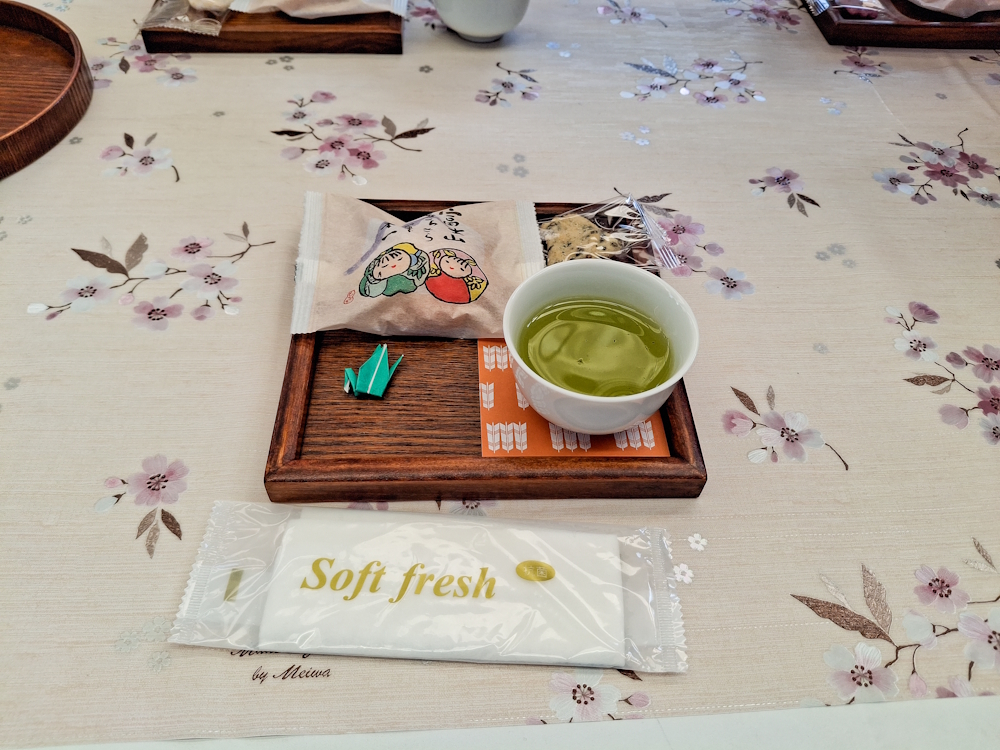
These people being professionals, they served different types of tea with different types of containers. Genmaicha is cold brewed, whereas sencha is hot brewed. There are filters built into the containers; the Japanese I have ever seen do not use tea bags.

We then sampled macha and sencha. Tea looks the same, but they used different cups for each type of tea. I’d be as helpless with this as I would choosing what wine goes with what food.

“Sakura Shrimp” are tiny shrimp that come seasonally. Here they are served on a bed of used tea leaves, acting as a kind of lettuce or spinach. I was surprised about how tasty it was.

I don’t know how face hole cutout pictures have become the theme for this cruise, but the tea store had one for school children. I could not quite fold myself low enough to fit properly.


The staff had a great laugh with me trying to get down there. Bunch of sadists.
 Cruise Boy
So, the used tea leaves were more tasty than the tea itself?
LikeLike
They add soy sauce and other stuff. I view it as “well, we already made the tea and the leaves are done. Let’s use what we have.”
LikeLike