In general: tortoises live on land; turtles live in the oceans and terrapins live in fresh water.
Today we returned to San Cristobal’s Puerto Baquerizo Moreno to visit the David Rodriguez Giant Tortoise Breeding Center. That may sound like something from a Godzilla movie, but it’s a reaction to the near complete destruction of the over 200,000 tortoises in the Galapagos starting in the 16th century. Sailors, pirates and whalers liked to take tortoises on their ship for long-term food supply because the tortoise can live for up to a year without food and water. By the 1970s there were less than 20,000 tortoises left. Centers like this are re-introducing the tortoise to various islands; they recently declared the tortoise population on Espanola Island viable and are no longer breeding them in captivity. A journey begins with small steps…
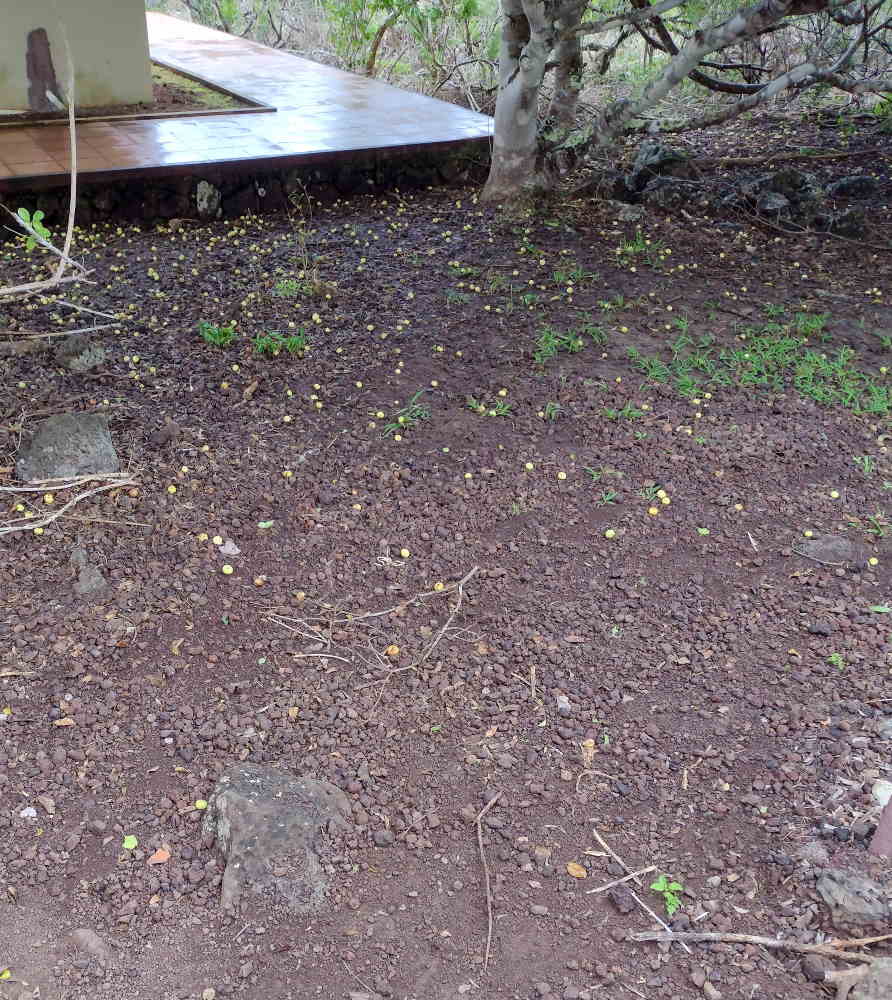
Oddly, our guide started the tour with crab apples on the ground. Seems the giant tortoise is the only animal on the islands that can eat the Poison Apples that grow here. I started looking around for Snow White…
Breeding adults are kept in the center. When a female lays her eggs and buries them normally, the center comes after, digs them up and places them into an incubator. Our guide said at the beginning of the program the Center could not afford an incubator; they kept the eggs in a closet with a hair dryer for heat. It takes about 100 days for the tortoise to hatch, and they are moved to a “crib” for several months until they get too big for aerial predators to grab them
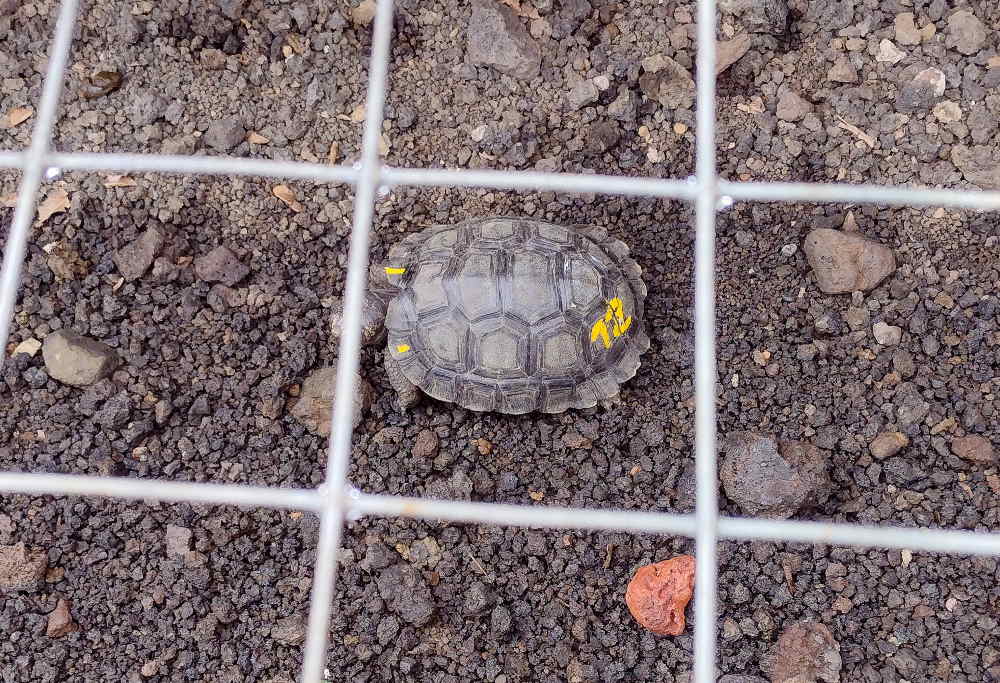
There are several outdoor pens where the young tortoises are separated by age and size.
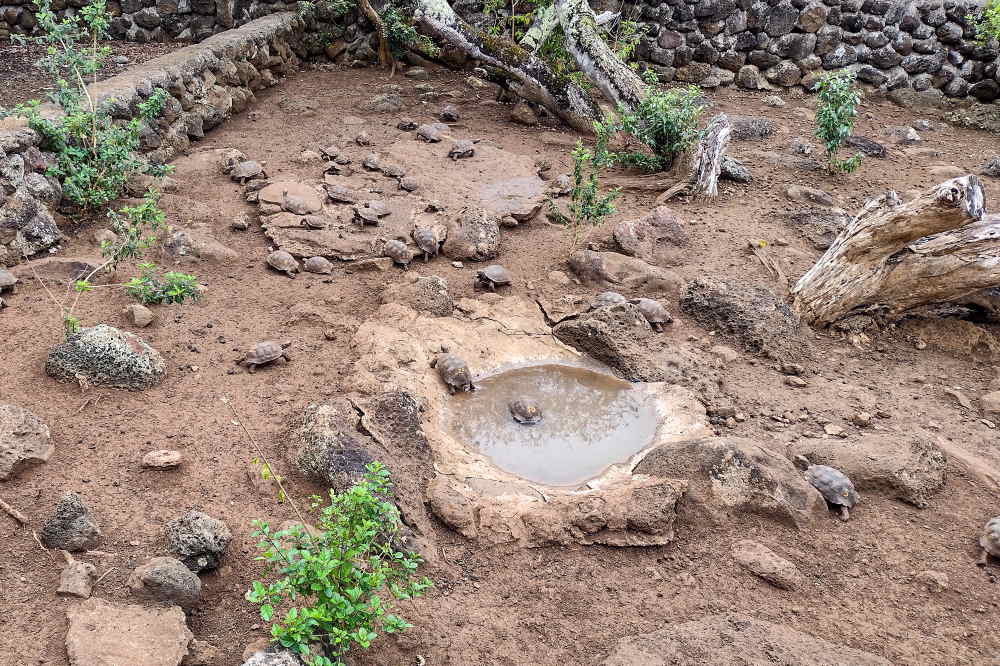
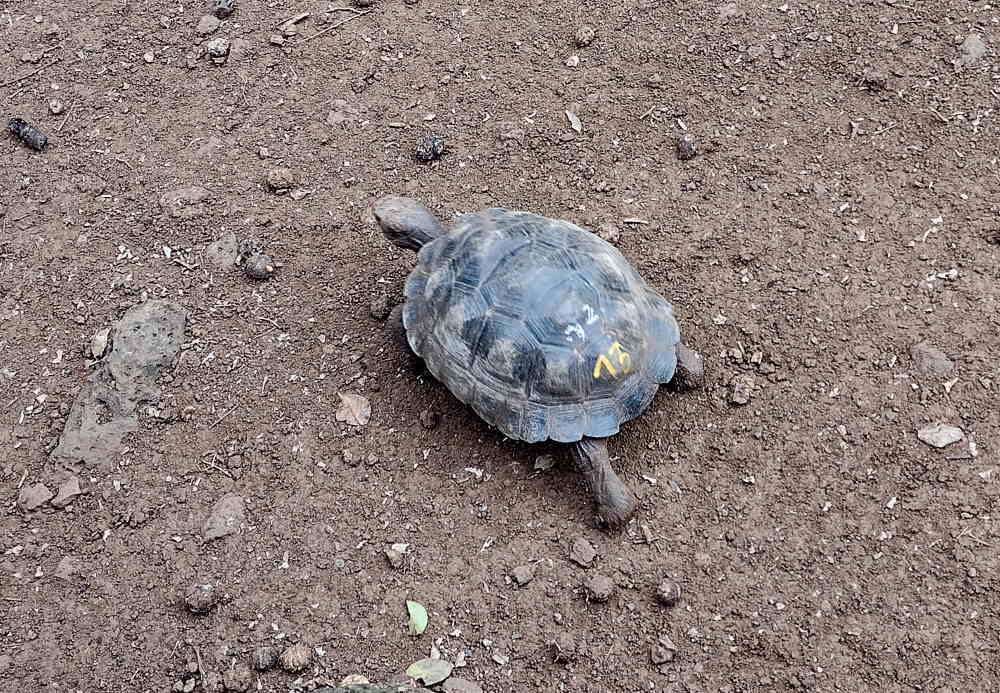
After five years they are adults and released into the wild. To show that point here are some pictures of the on-site breeding adults.
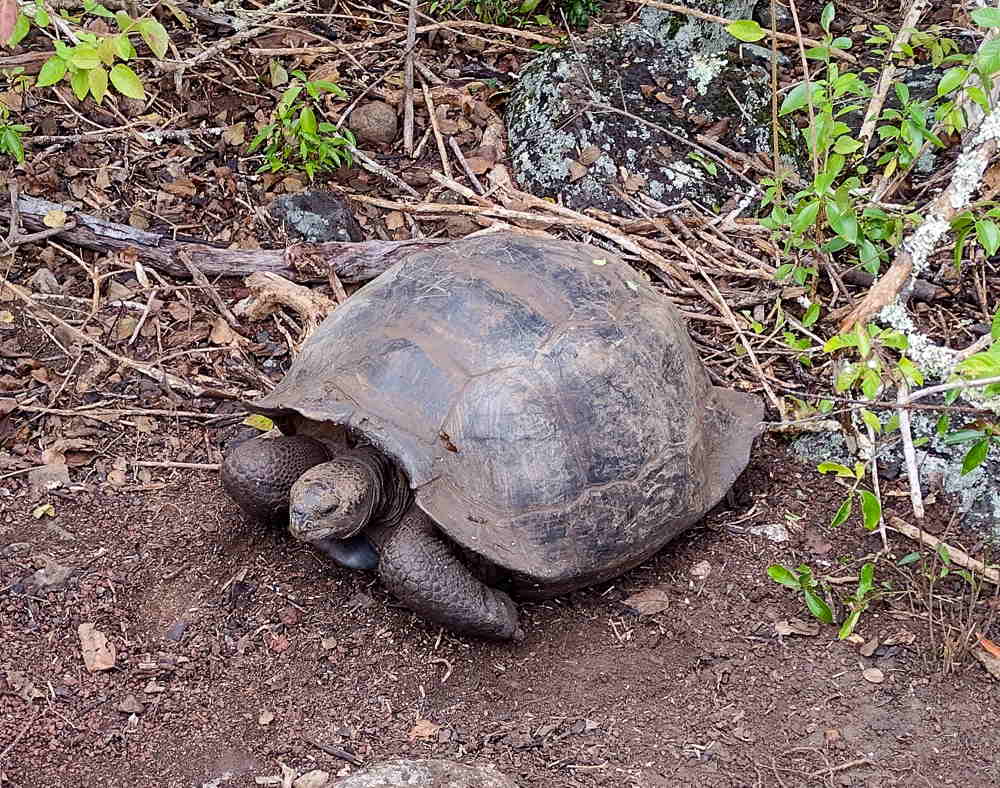
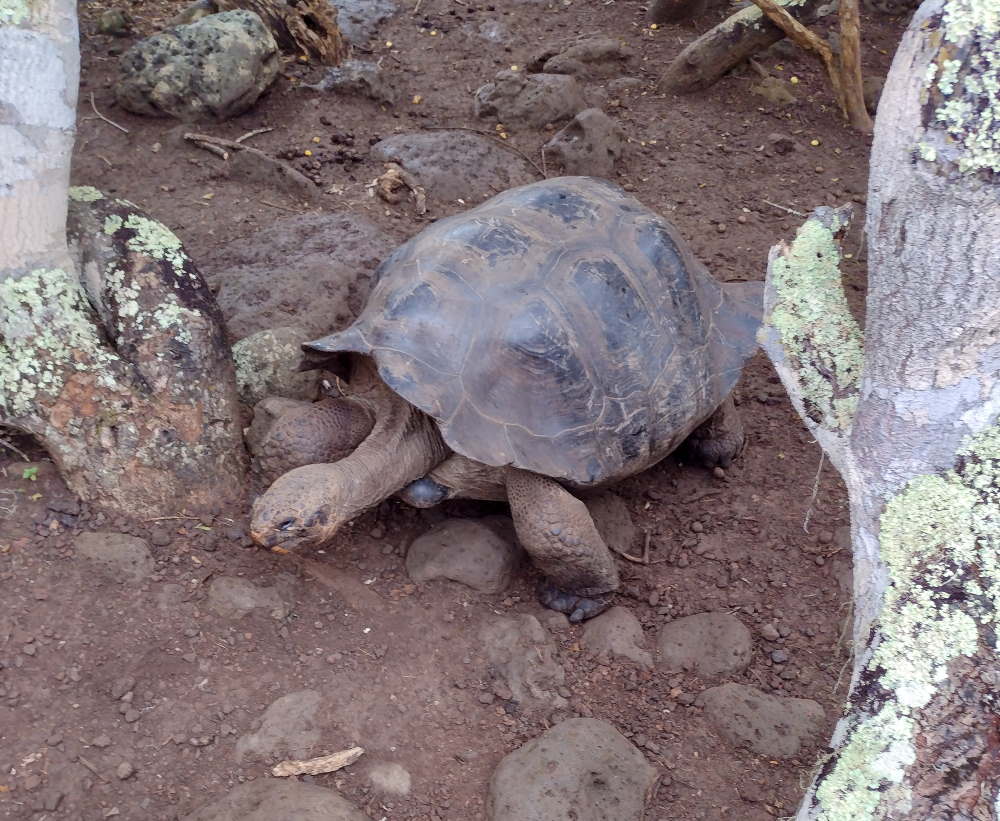
Tortoises live a crazy long time. A tortoise supposedly caught by Charles Darwin and transported to England lived 175 years.

