Finally, the Taj Mahal. First, some background.
Shah Jahan was the fifth Mughal emperor. He was a great builder, directing the construction of numerous mosques, forts and gardens. His favorite wife was Arjumand Banu Begum, known as “Mumtaz Mahal” which means “Exalted One of the Palace.” When the Shah became emperor, she gained the title “Padshah Begum” (Queen of the World) and “Hazrat” (Mother of the heir). She died at age 38 giving birth to their 14th (!!!!!) child.
The Shah was so overwhelmed with grief he decided to build a $1 billion USD (2026) house to hold her remains. Huh.
Our day began at 5:30am in order to see the sunset light the mausoleum. We took golf carts to the entrance, as our hotel is just down the road. We did standard tour group things and then approached the gate to the complex.
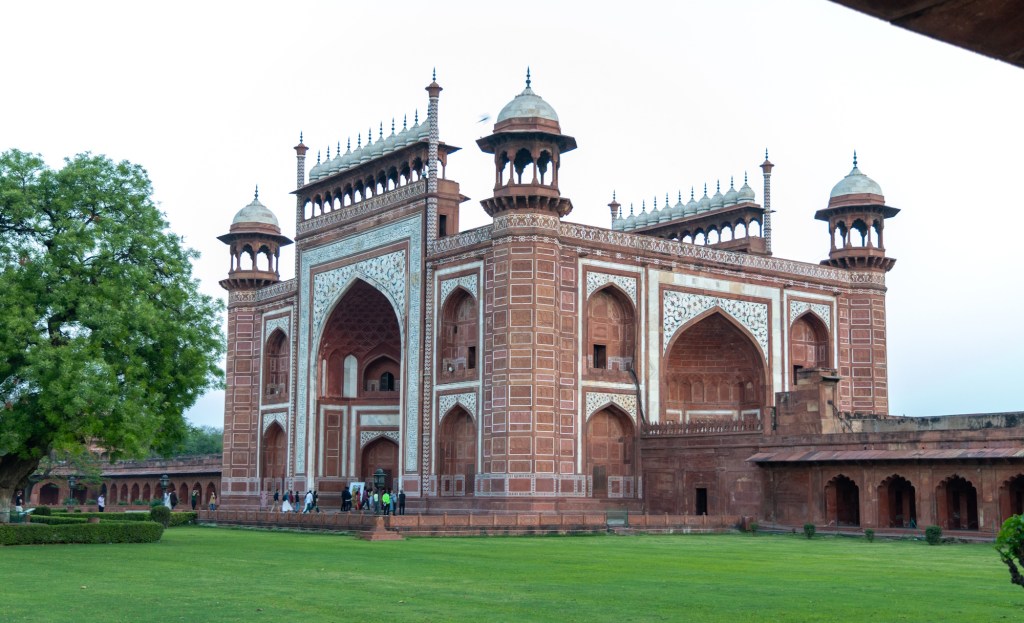
To help set the scene of the red buildings compared to the white ones, below is another picture taken from across the river from the Taj Mahal (which translates to “Crown of the Palace”). I never noticed these red buildings in images before physically seeing them.
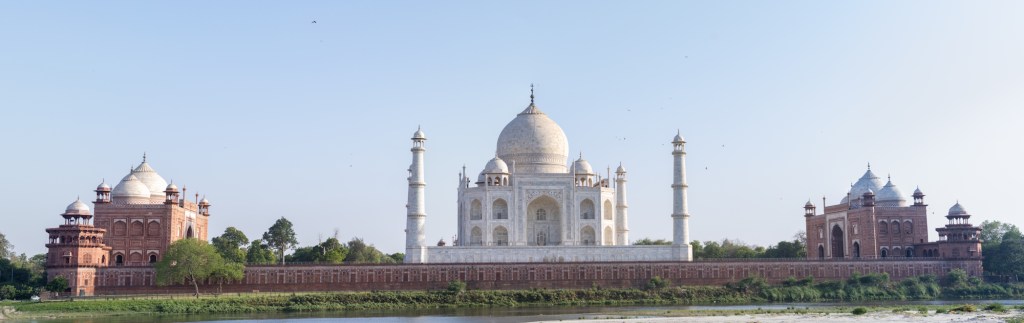
To the right is the Kali Mosque. This is the active mosque, not the central building. You can see similarities with the entrance gate and my previous post’s Humayun’s tomb with the white inlay on the red sandstone. The Wiki image has much fewer people in the scene than any when I visited.
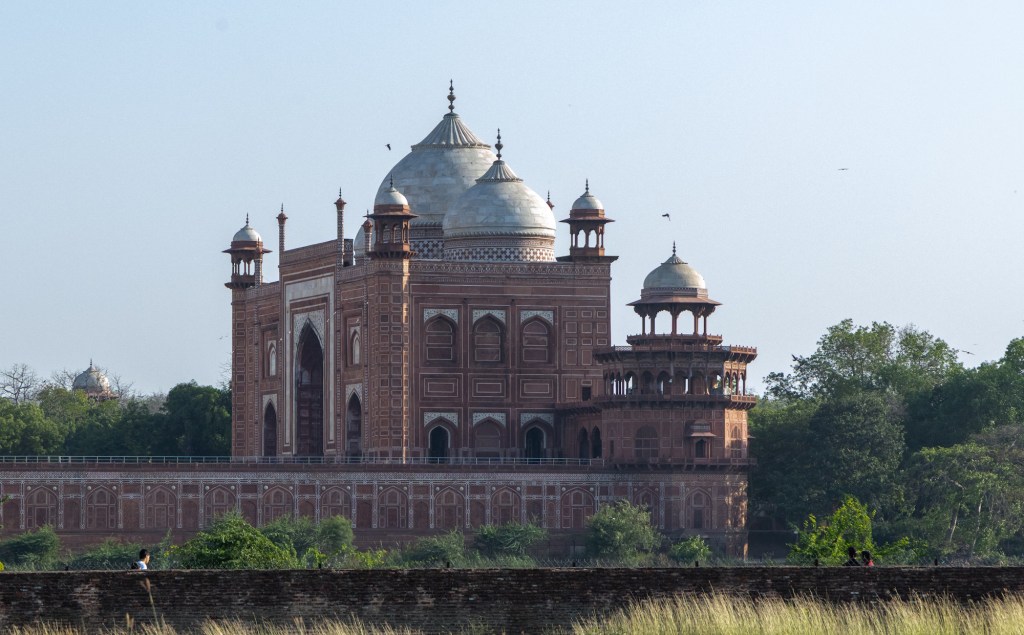
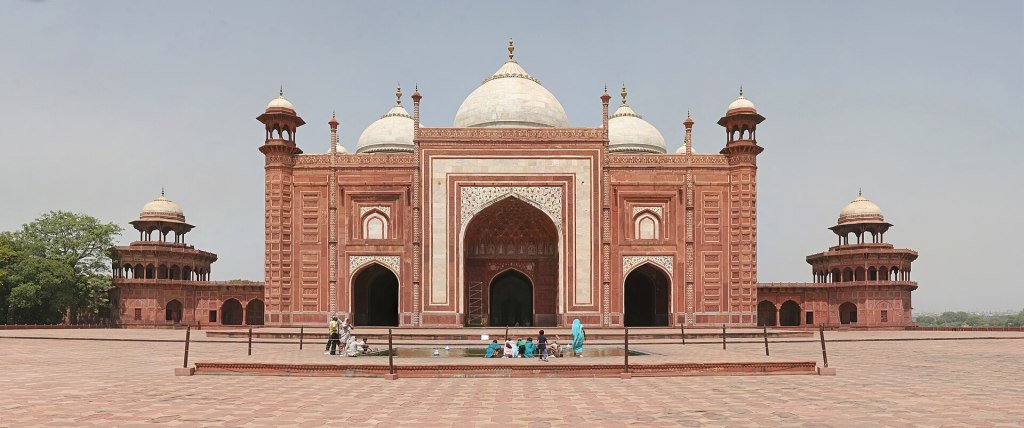
The building at the other side of the Taj Mahal looks the same and was really made for symmetry. It is a “jawab masjid”, or an architectural answer to the mosque. It is used as a place of study, and in history a royal guest house.
With that “red vs white” side note out of the way, we walk thru the gate and see the Taj.
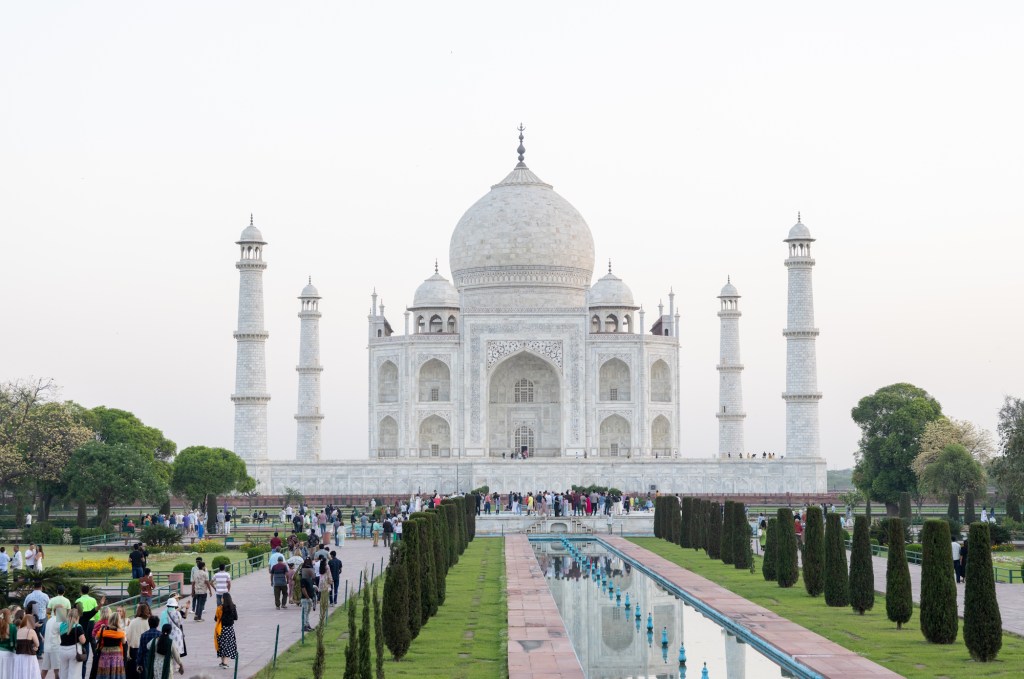
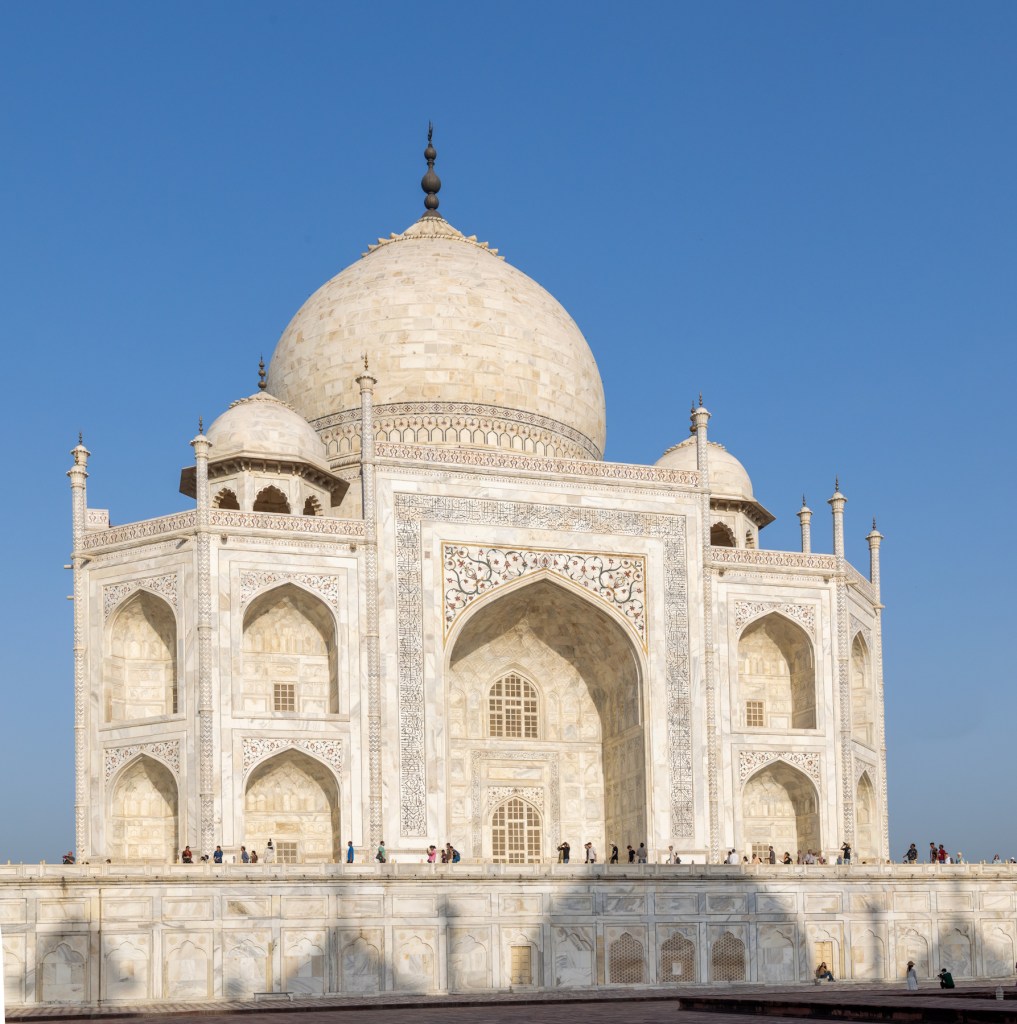
What follows is a whole lot of “white building” pictures. The sun is rising to the photo’s right.
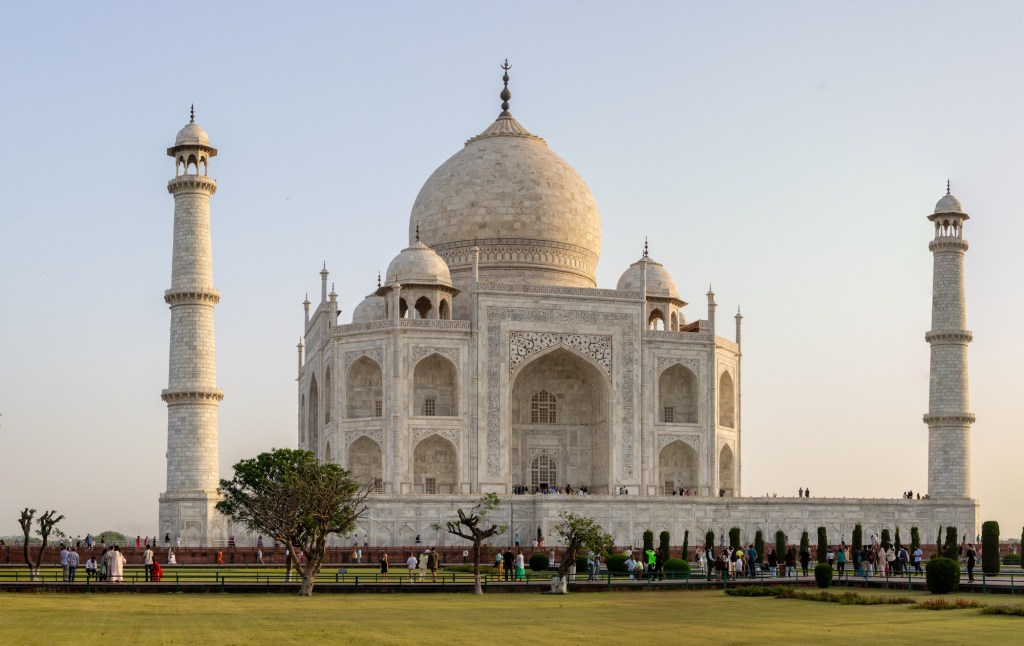
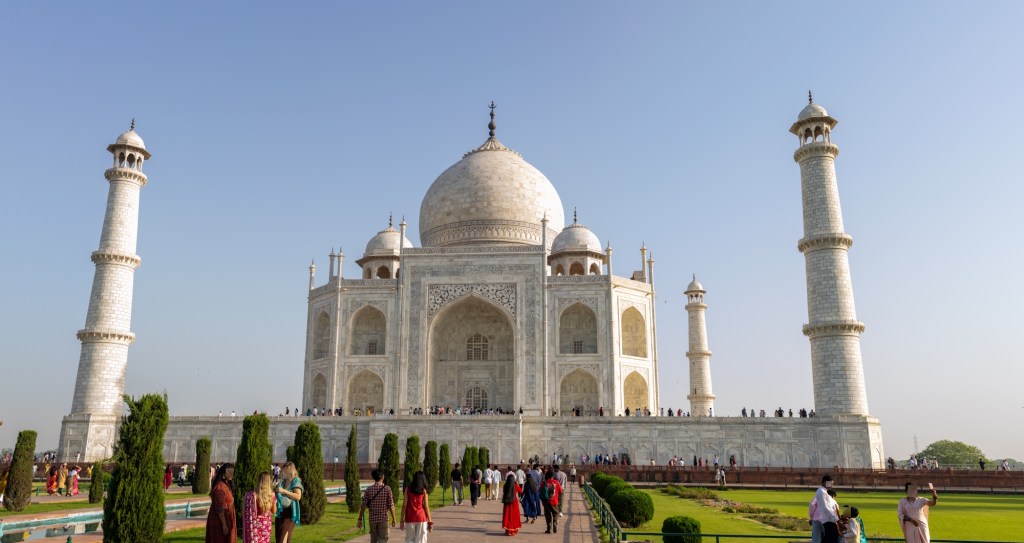
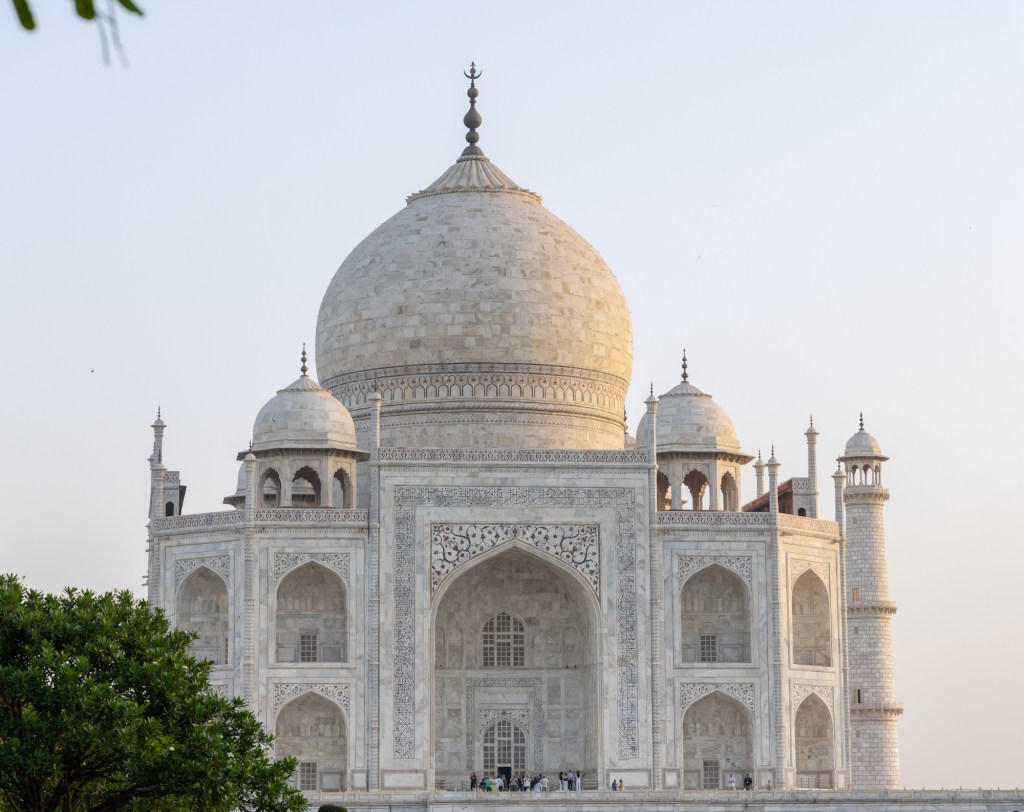
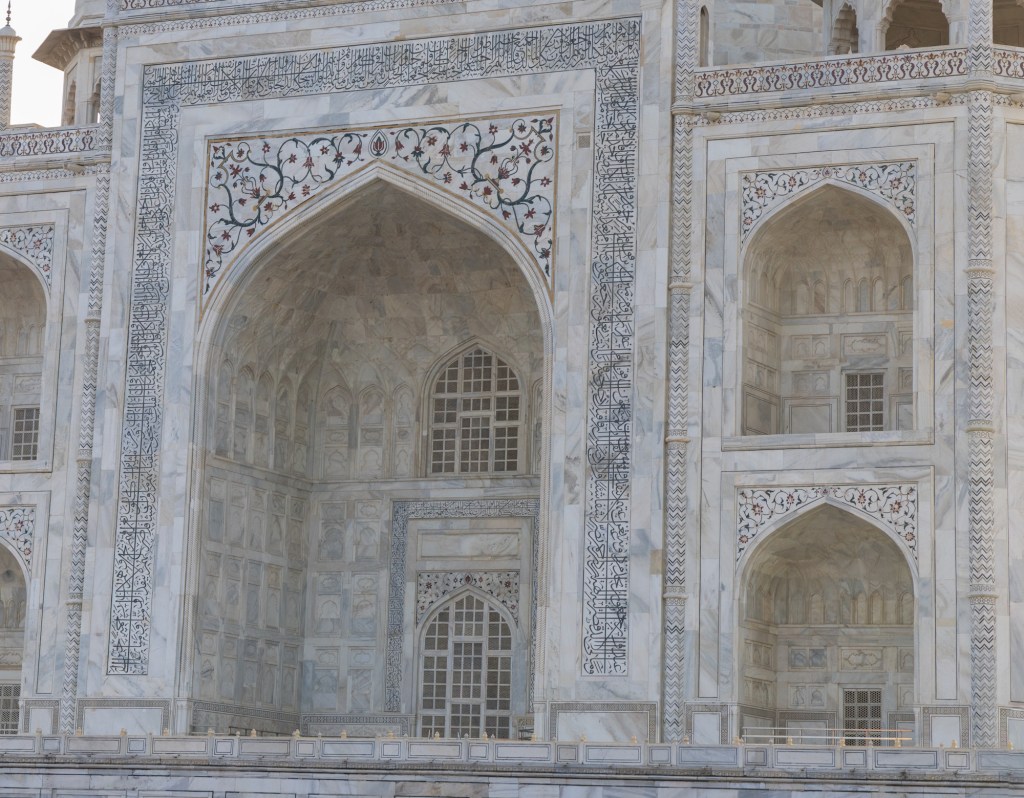
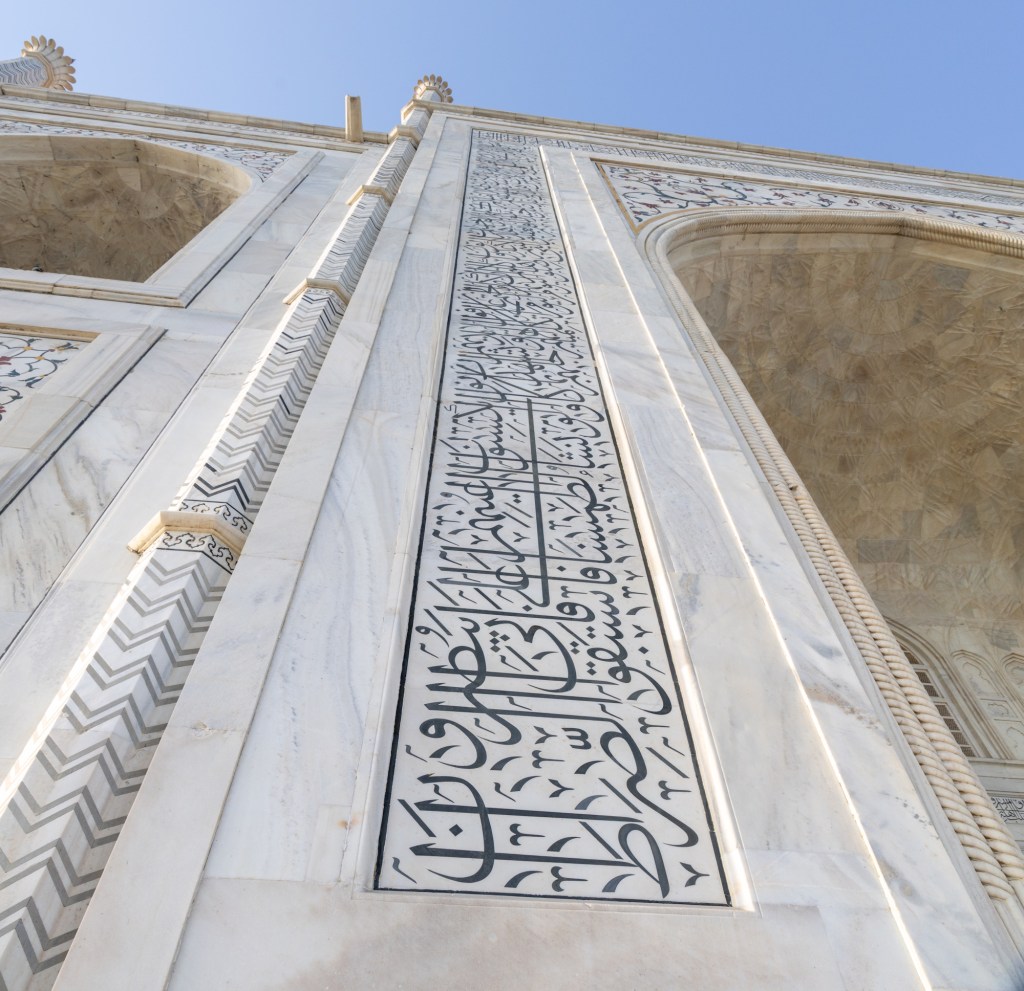
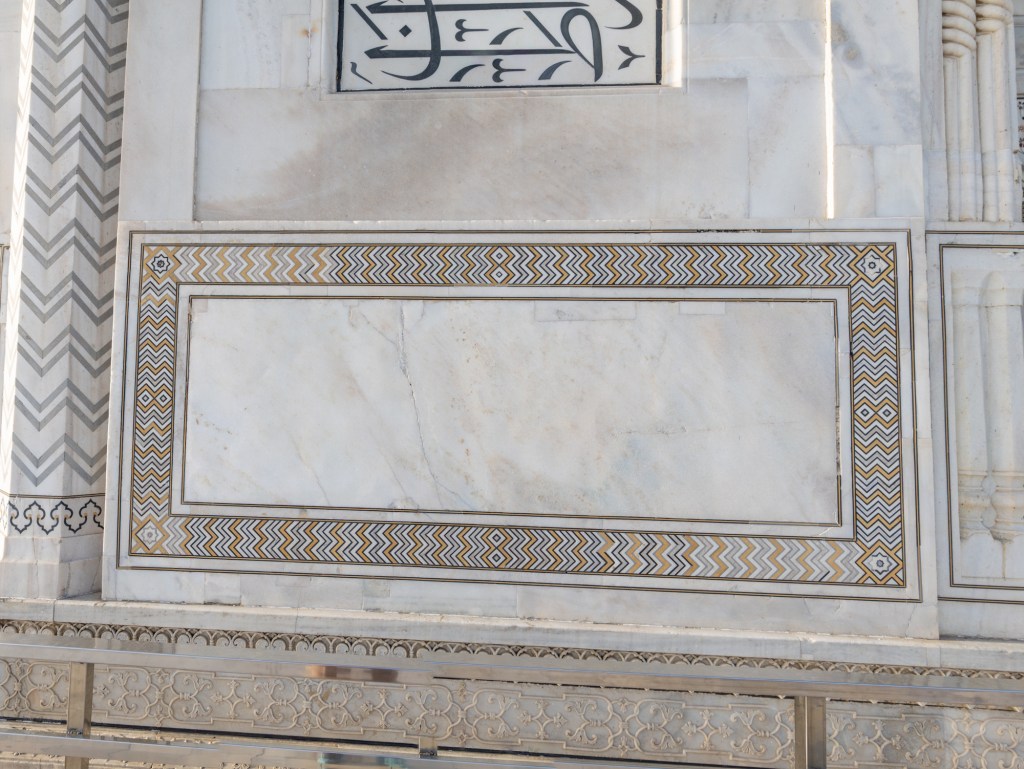
Let’s take a closer look at the decorations. This is not paint. For example, the Koran calligraphy text uses jasper or black marble inlay into the white marble. The script size gets larger as it goes higher to reduce skewing optical effects.
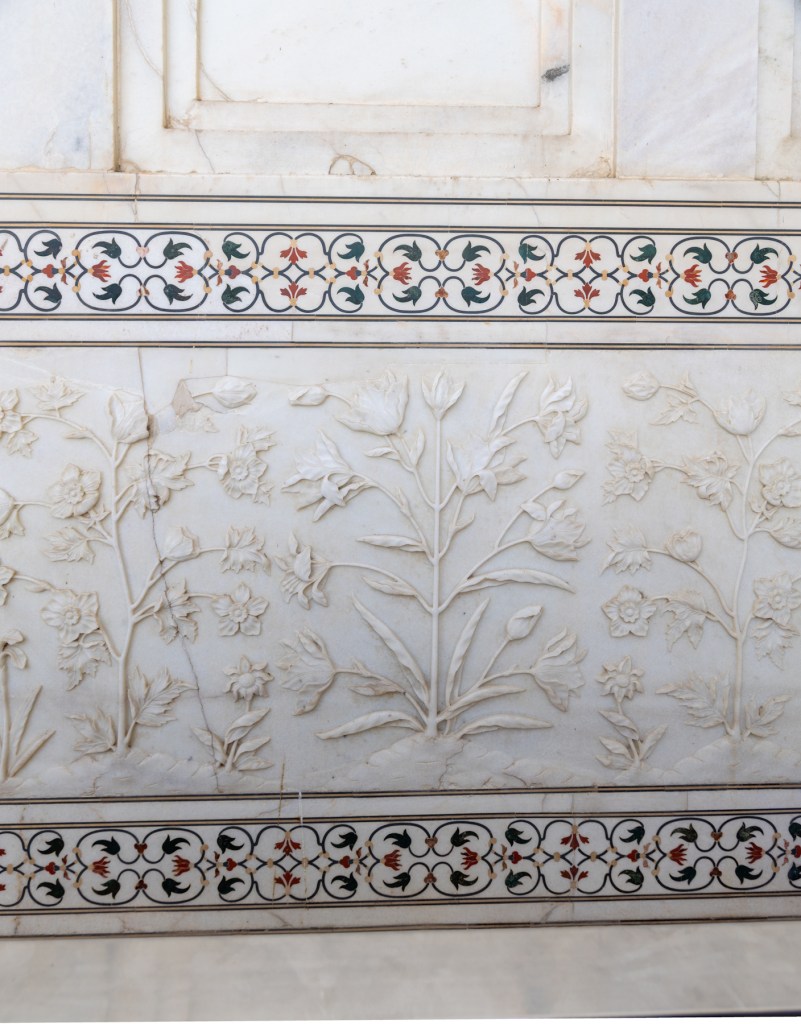
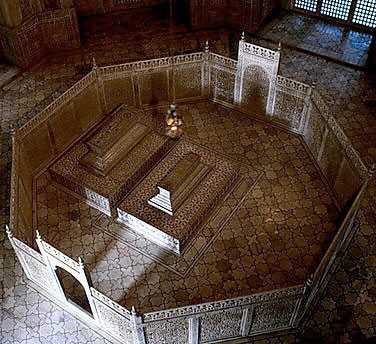
We were asked to not take pictures inside, which is expected. However, Wikipedia has some images.
There is a marble lattice “jali” surrounding the sarcophagus.
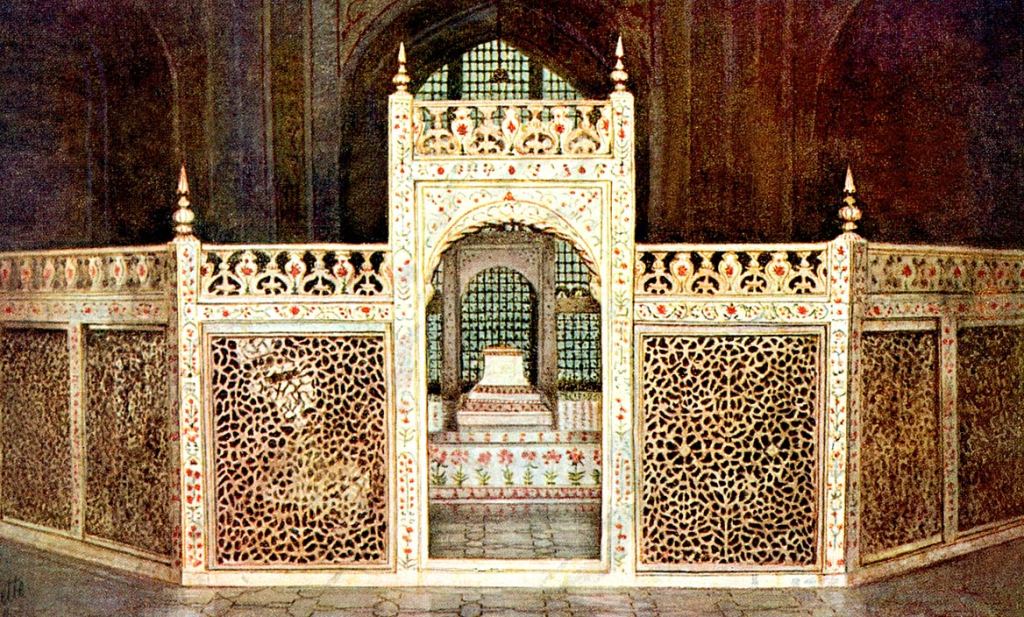
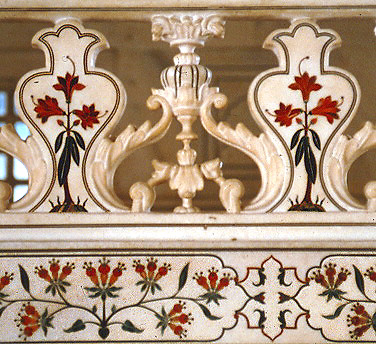
The inlay work of the interior is amazing. Our guide used a pen-light to show how these are real semi-precious stones.
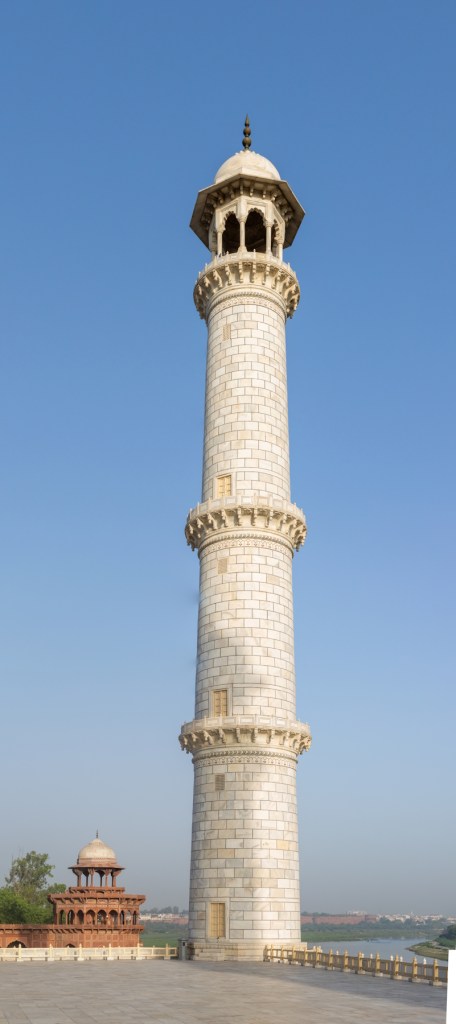
As we leave the site, here’s a picture of a minaret.
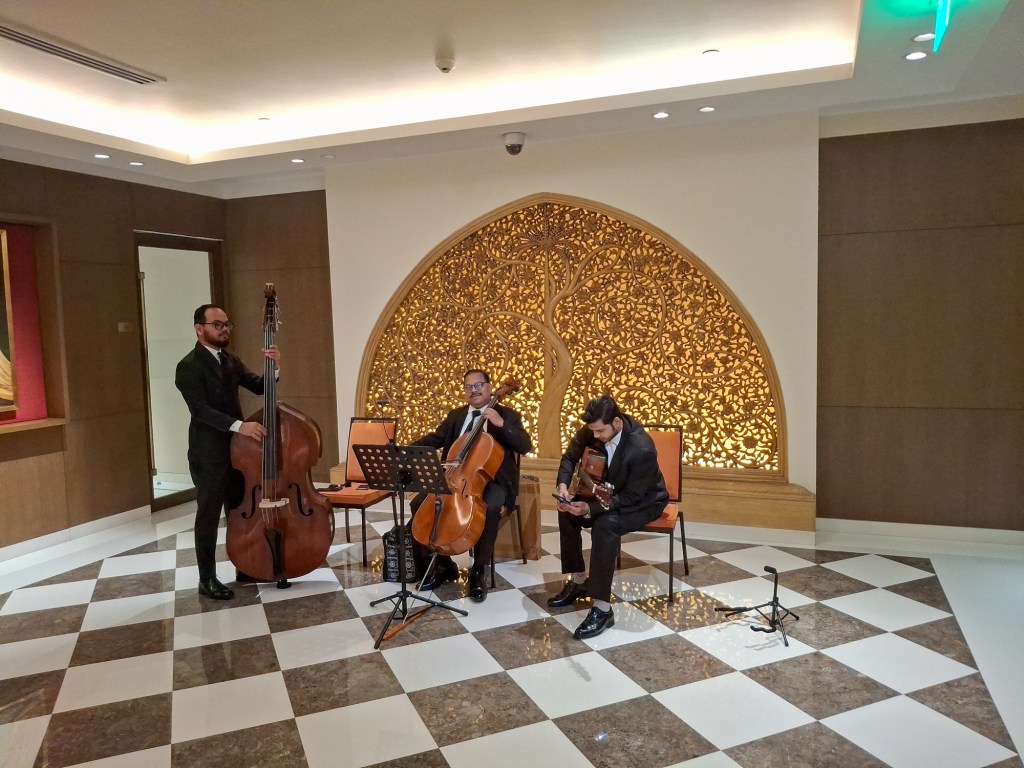
At dinner that evening we had a string “triplet” playing as we ate. Kind of cool.
An interesting trip. Great architecture, hotel food was top notch, learned some culture from out guides. I definitely need to return to India for a longer trip.
Speaking of long trips, I have a couple of safari once the ship reaches Africa. Stay tuned.
 Cruise Boy
Did you perspective-correct any of these shots?
Amazing the script gets larger to correct for view from the base. Amazing.
LikeLike
Many of these are panorama merging of several pictures. Light Room normally does a good job with that.
LikeLike