Kyushu is the southern-most main island of Japan, and Kagoshima is the southern-most prefecture capital. We had two bumpy days crossing from Shanghai, so I was looking forward to walking on a surface that doesn’t move.
There are several semi-active volcanoes within view of our dock – our tour guide explained that due to the volcanic ash they grow sweet potatoes rather than rice. The volcano is part of their day-to-day life: there has already been 85 events this year (it’s mid-March).
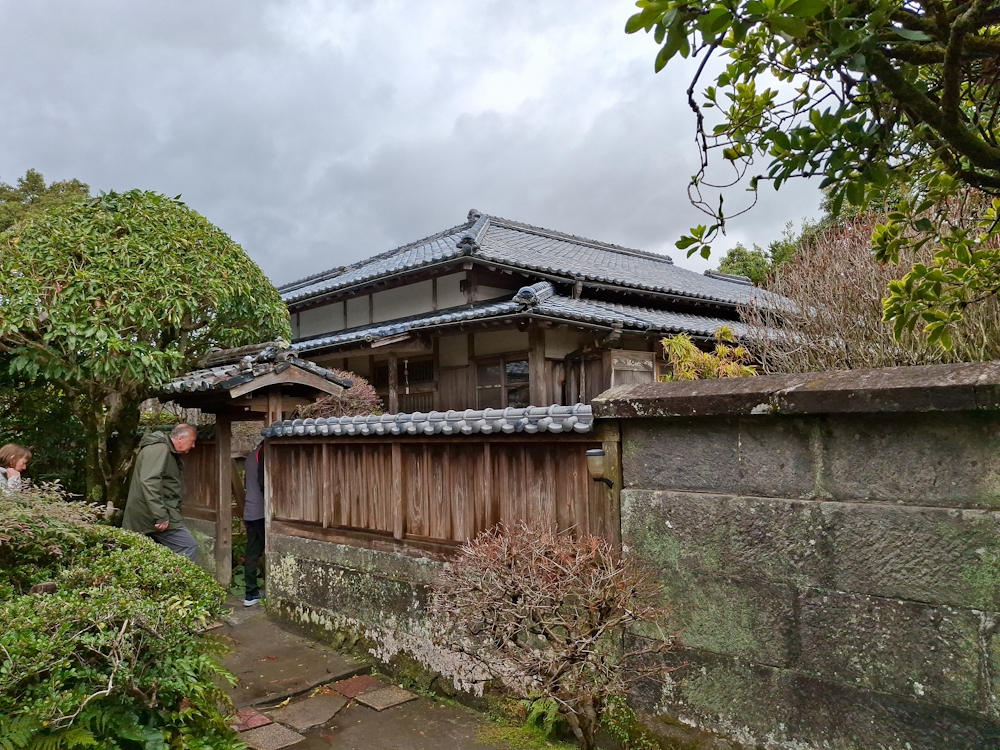
My tour took me to the local village of Chiran, which is known for two things in addition to green tea production. First is the samurai home district, where a dozen or so homes have been maintained as they were built for hundreds of years. The homes are lived in by the decedents of the original builders, but visitors are allowed into the gardens.
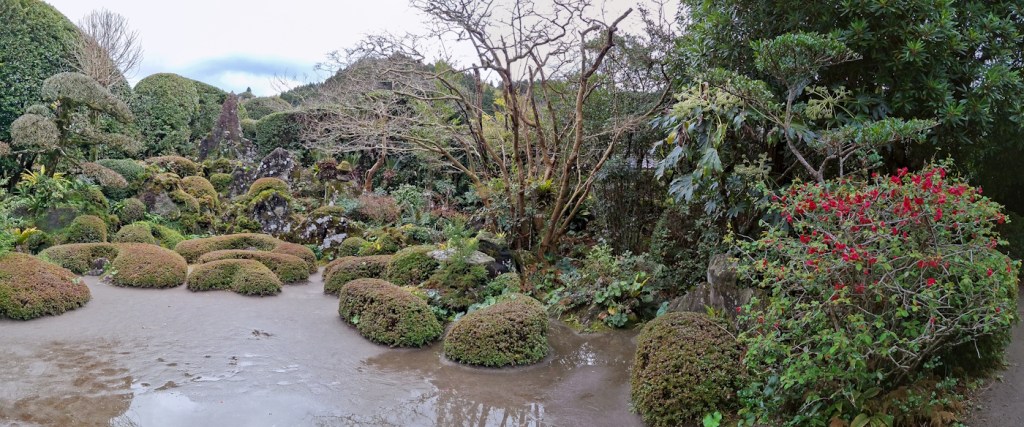
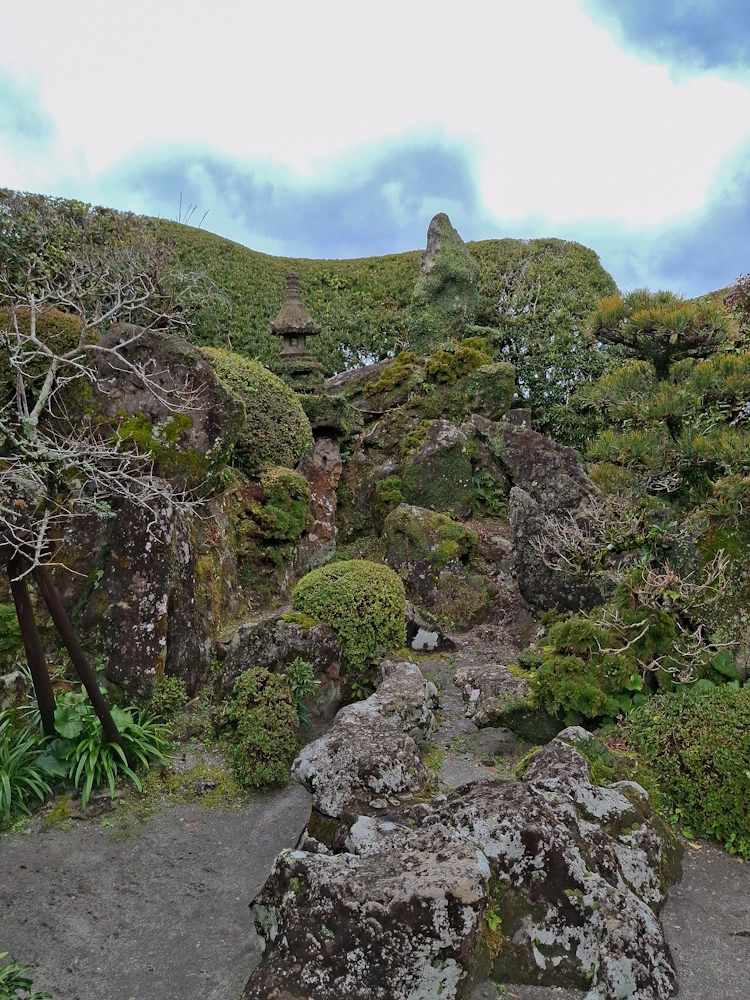
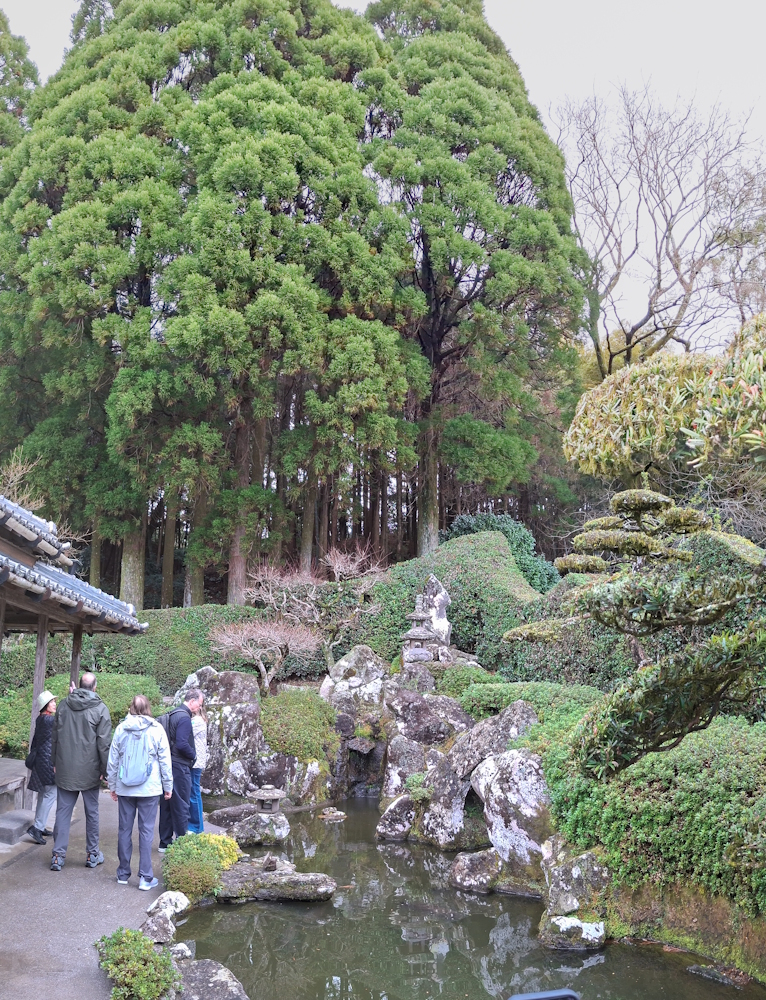
There has been some rain recently, so the normally “dry gardens” had some puddles. The moss and bush growth from the left are to suggest a waterfall without needing the water.
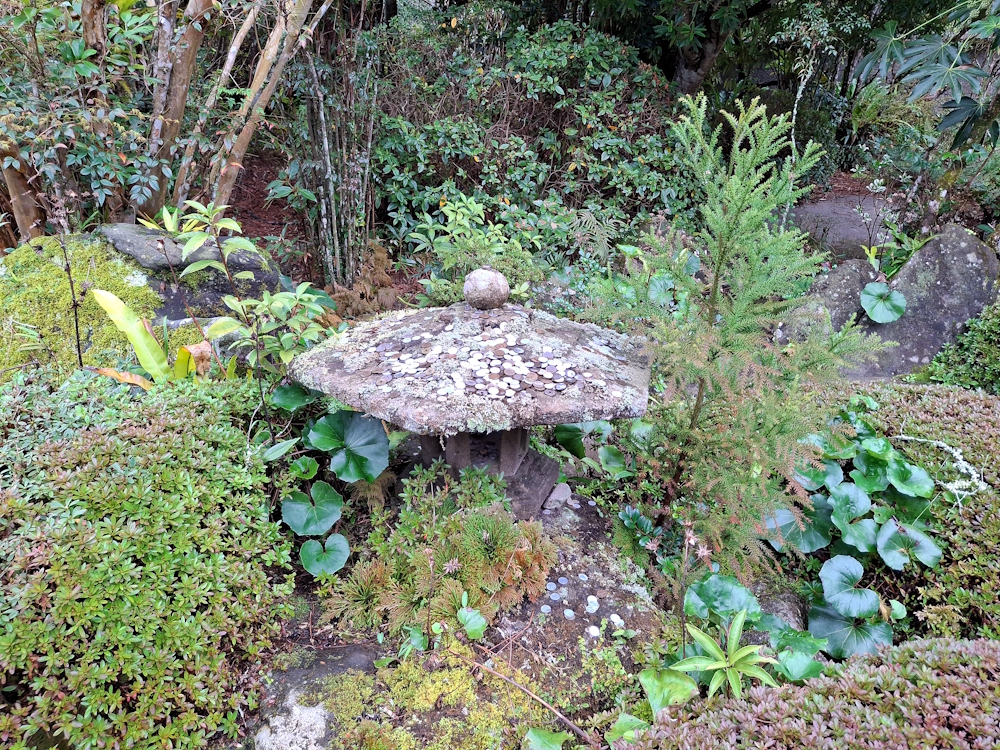
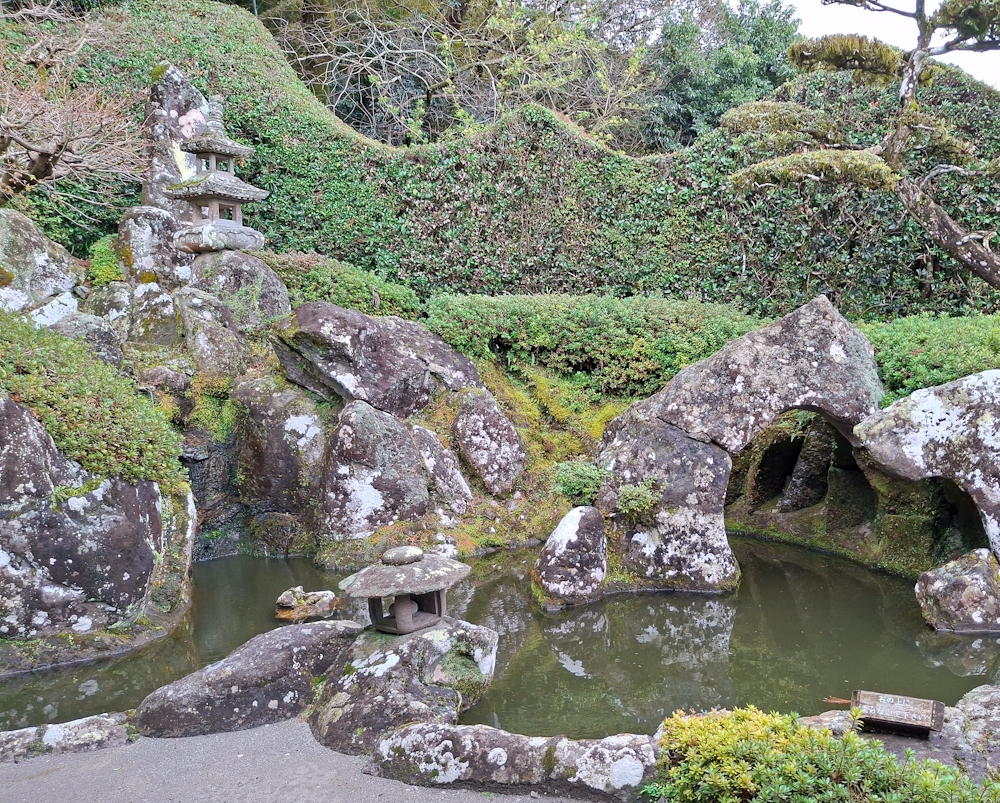
One of the stone lanterns was covered by coins. Seems instead of the European tradition of throwing coins into a fountain, in Japan you lay coins on the lantern.
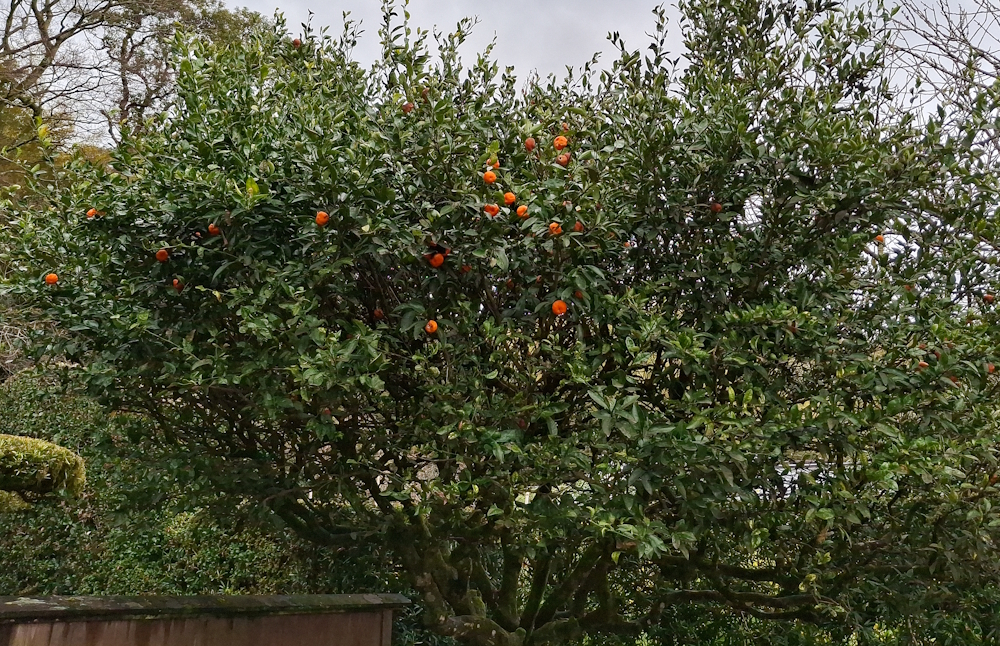
“Mikan” are a small tangerine that grows in southern Japan.
Ponds were often used to represent lager areas of water like the ocean, with the stones acting as islands.
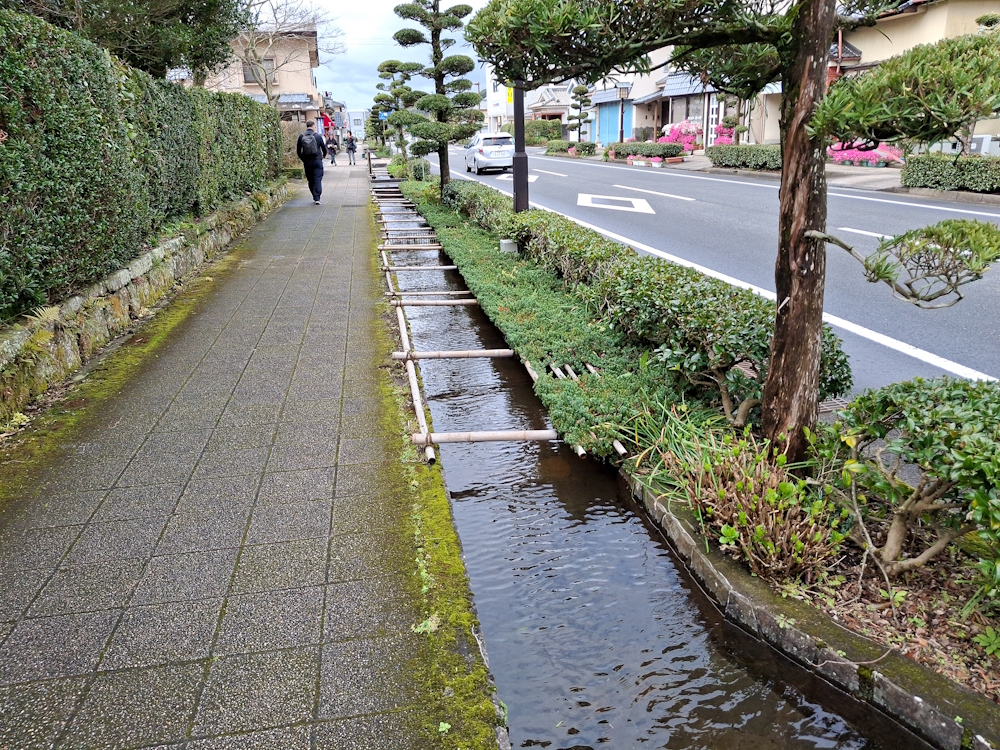
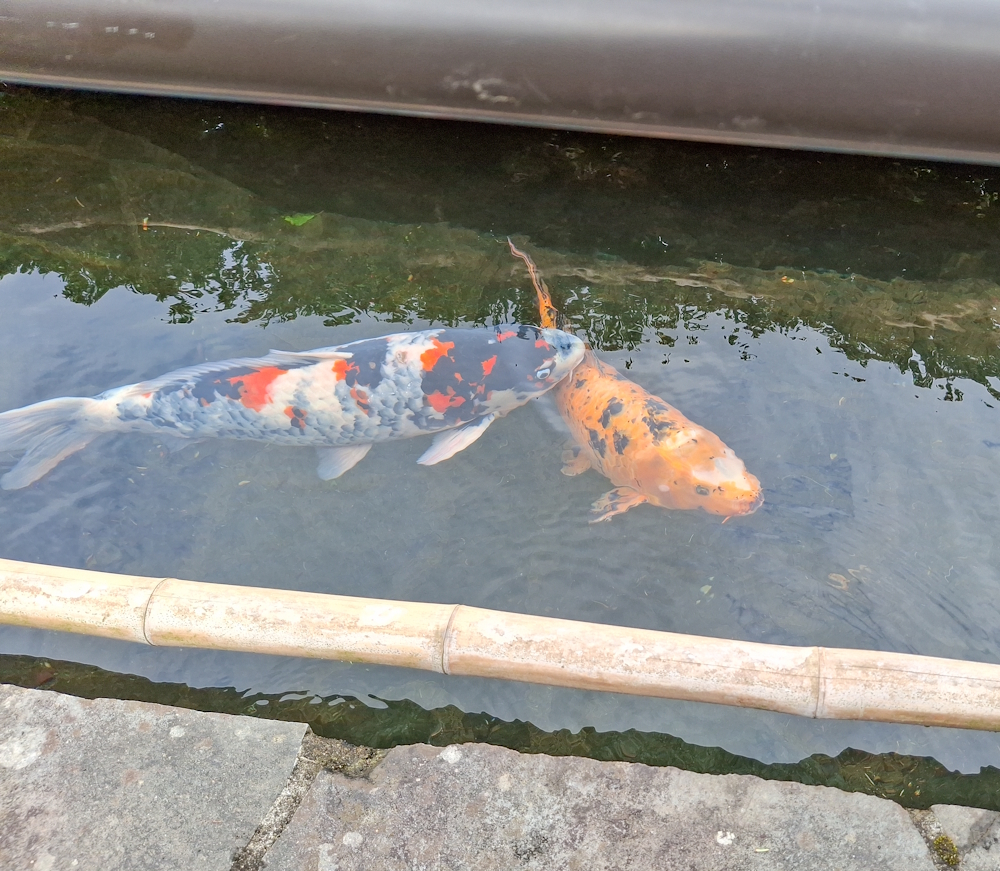
Walking back to the bus we saw a drainage channel along the side of the main road that had to be at least a meter wide, which contained koi fish. Further down the channel even had a water wheel.
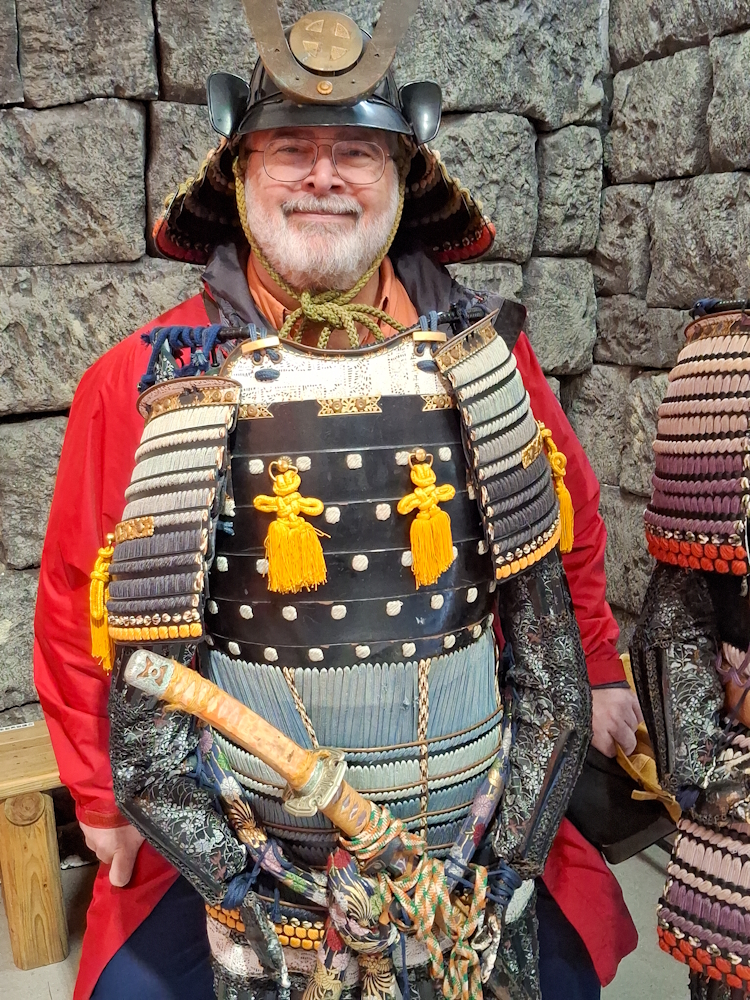
One of the local stores had “samurai” armor for picture-taking.
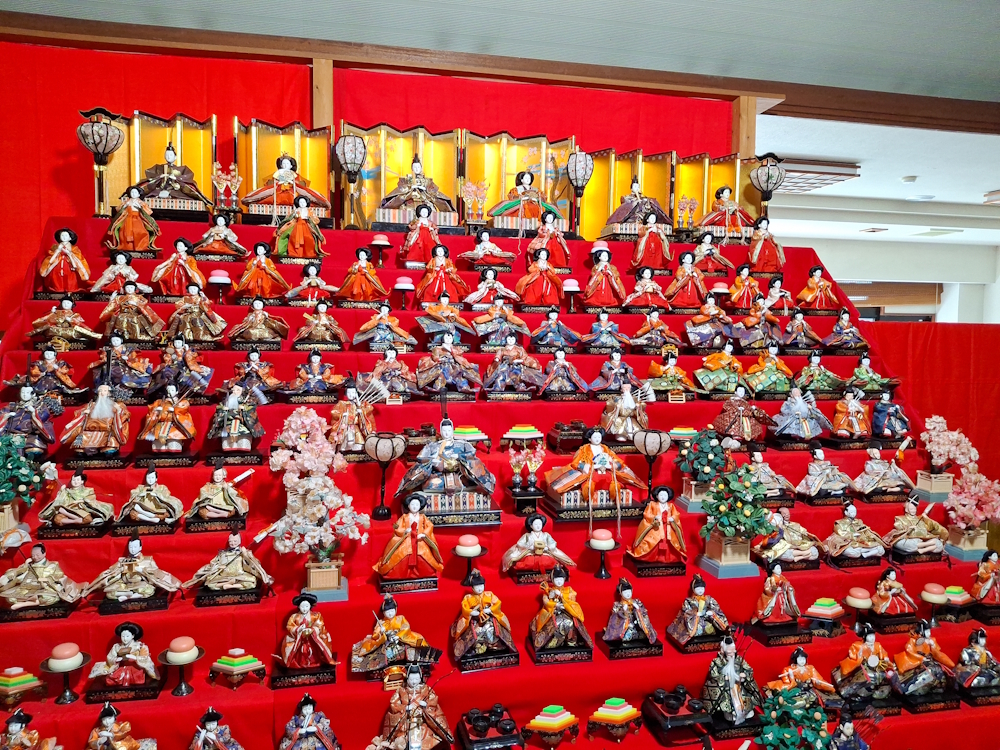
Many of the houses had family-tree dolls displayed. I think this store had the entire village.
The second thing Chiran is know for is a bit more serious, as we visited the Chiran Peace Museum, which is dedicated to remembering the kamikaze pilots of WW2. Kagoshima had the most southern air base of the main islands (remember the US and allies approached Japan from the south), therefore many of the pilots were trained in the nearby airfield.
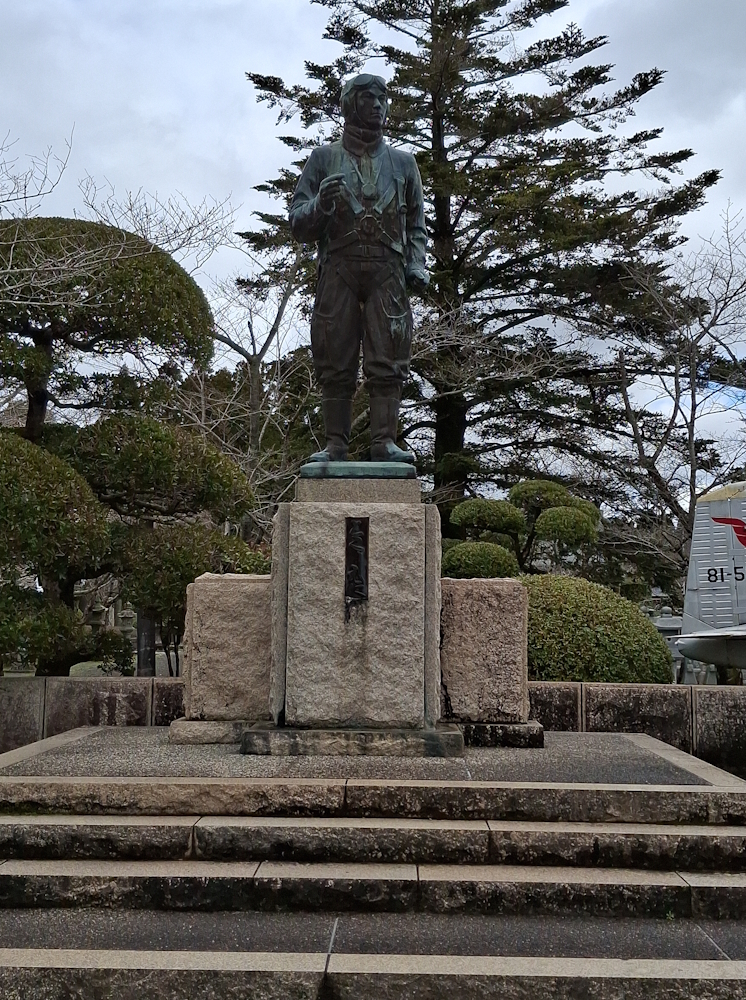
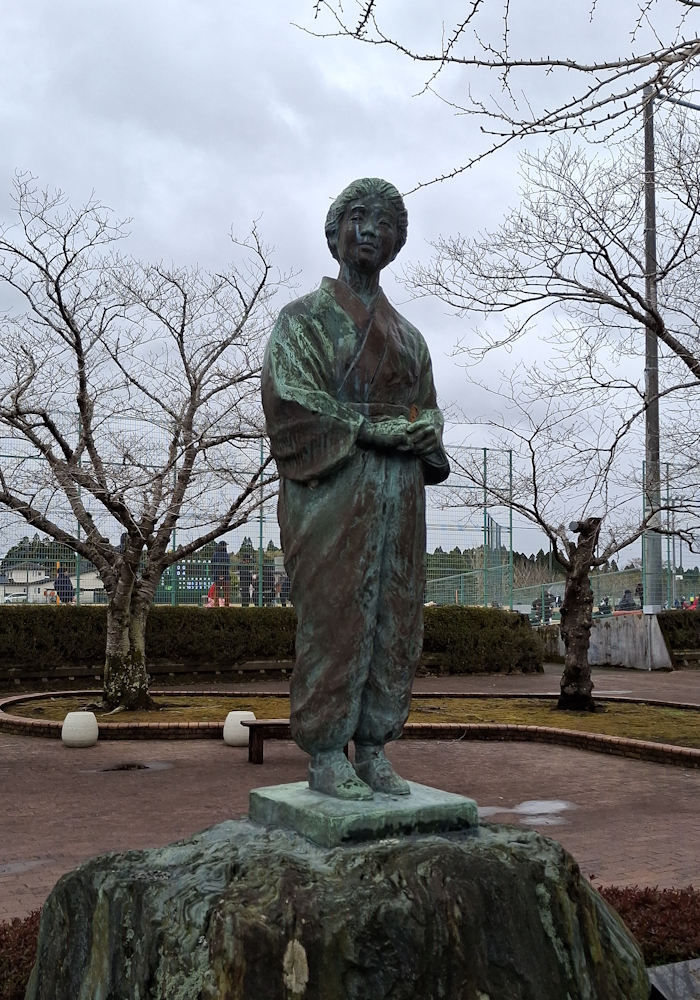
Here is a memorial to the mothers and families the pilots left behind.
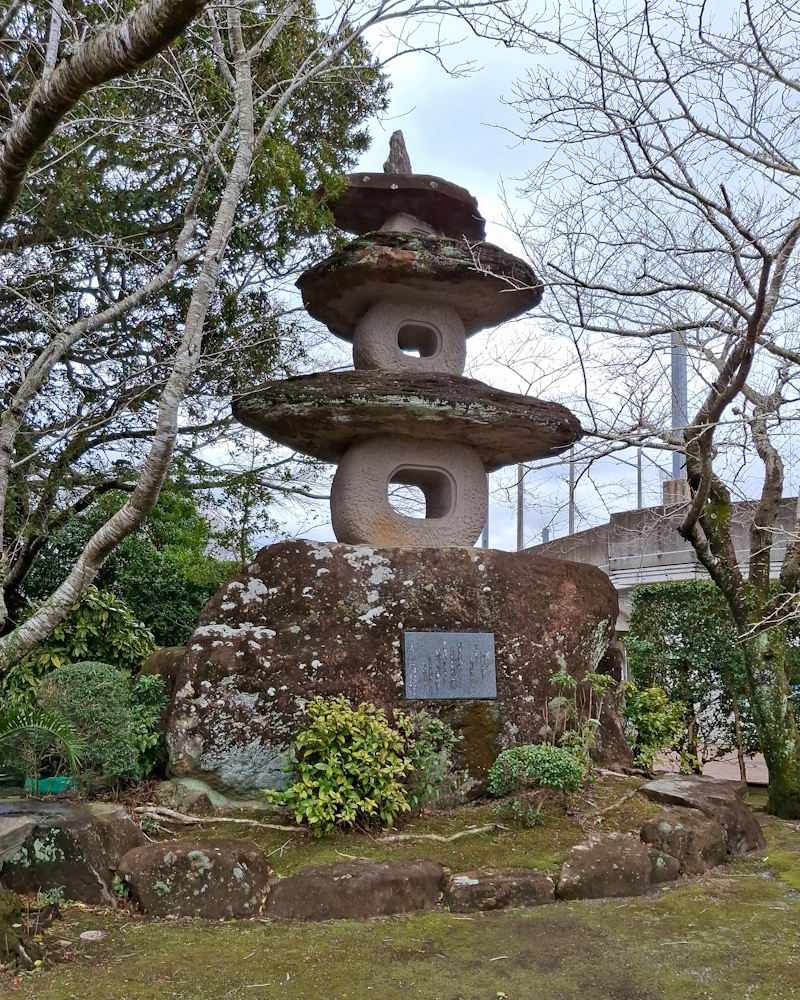
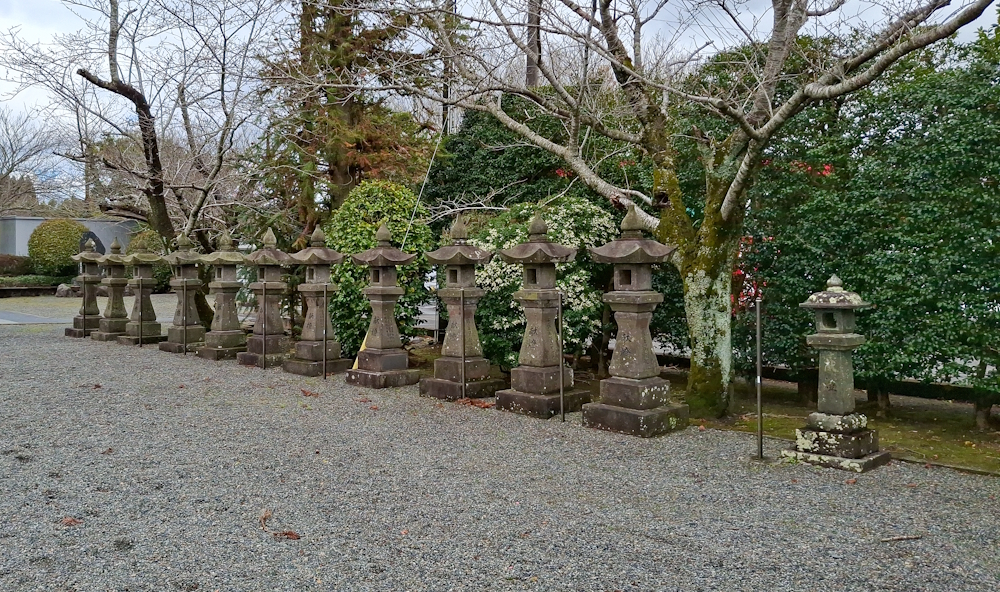
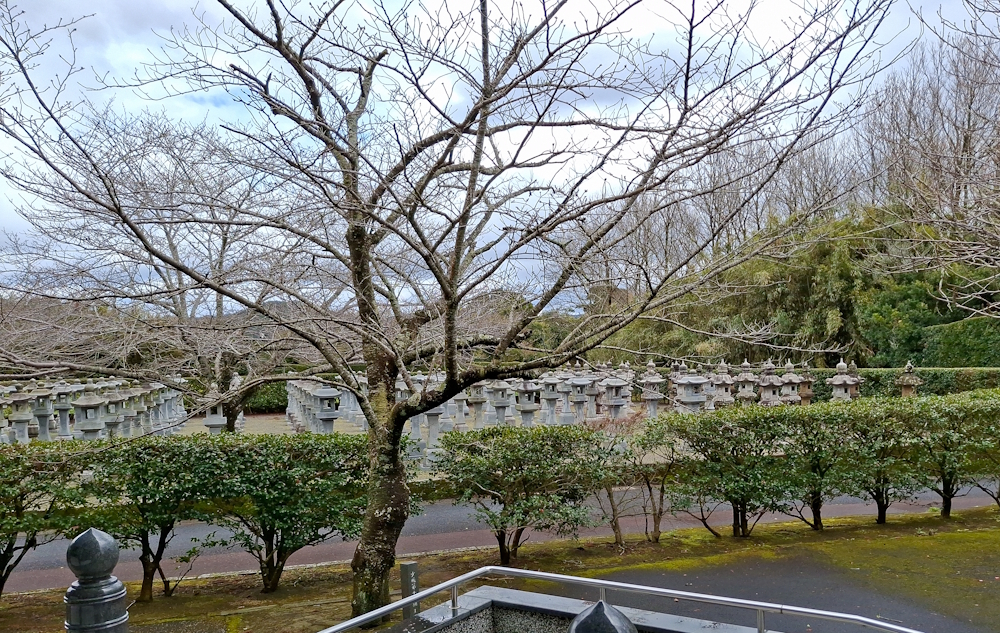
Approaching the museum building there are many lanterns and shrines. Similar to the sponsored benches and such in Vietnam temples, groups can sponsor a stone lantern.
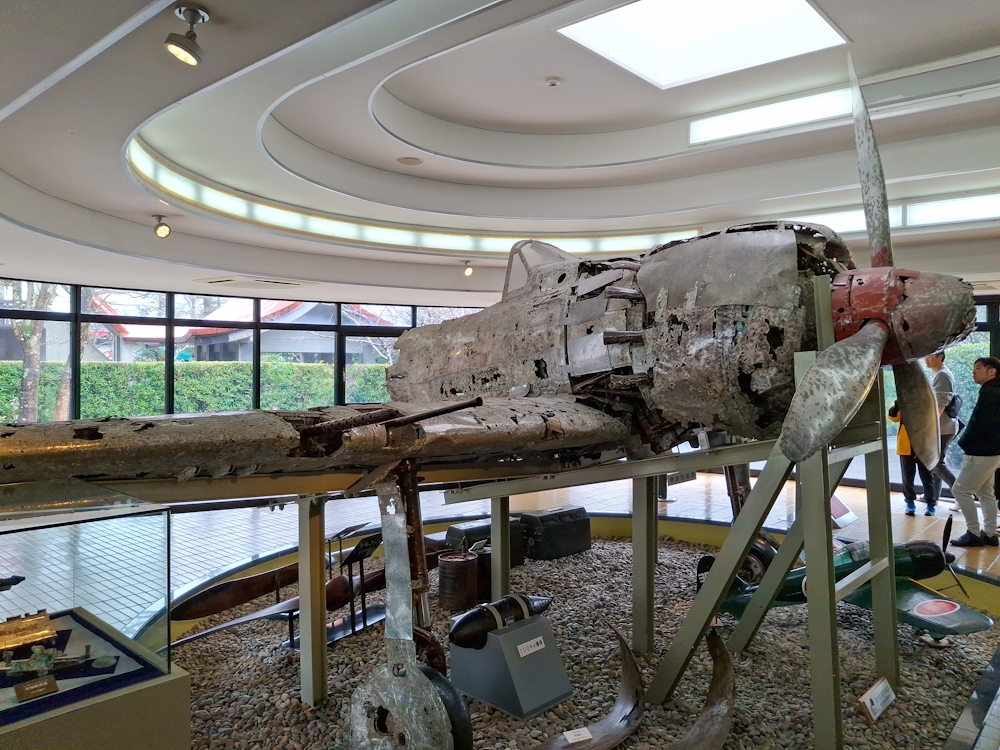
The museum is dedicated to the pilots not to the war or the larger decision to use such tactics. Thus, we were asked to not take photographs of them or their last artifacts (such as final letters to family). However, in 1980 they found the wreck of a Mitsubishi Zero. Such planes were not used by the kamikaze pilots, but they built an extension to the museum and show it here anyway.
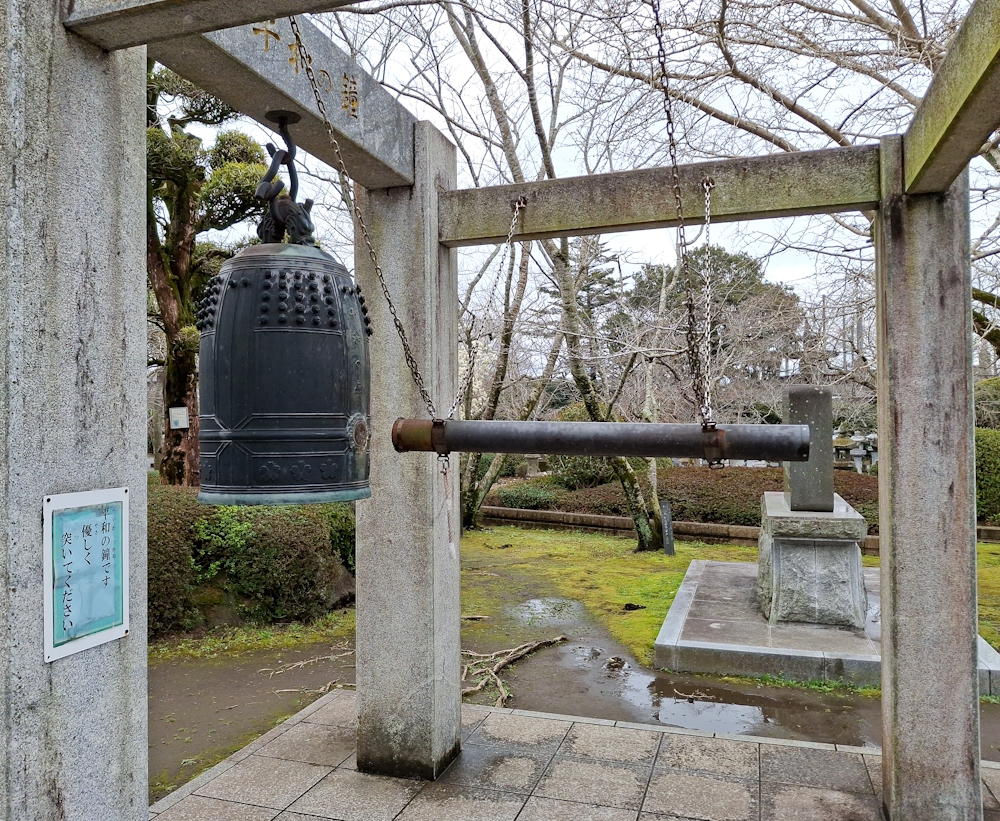
Leaving the museum there is a “peace bell” you can ring if you choose.
I think they did a very good job with this museum – they found a delicate path to show respect to the pilots who did what was asked of them without glorifying any of the larger issues. This being a Sunday I was surprised about the number of Japanese there, but our guide told us school spring break was just starting. With this area so far out of the standard tourism area, I’m even more surprised.
 Cruise Boy
The “hat” works….
LikeLike
Yeah. I may get my hair cut like that.
LikeLike
Which 5e class most closely reflects samurai?
LikeLike
All those photos look like rock and greenery poured over some landscape. So cool.
LikeLike
I do enjoy the Japanese esthetic. However, it seems to me their love of nature is a very human-controlled nature. Example: bonsai.
LikeLike